HeadPowder, a leading provider of industrial material handling solutions, specializes in pneumatic conveying systems designed for efficient dust and powder transport. This article explores the fundamental principles behind these systems and highlights the key working scene characteristics that make them indispensable in various industrial applications.
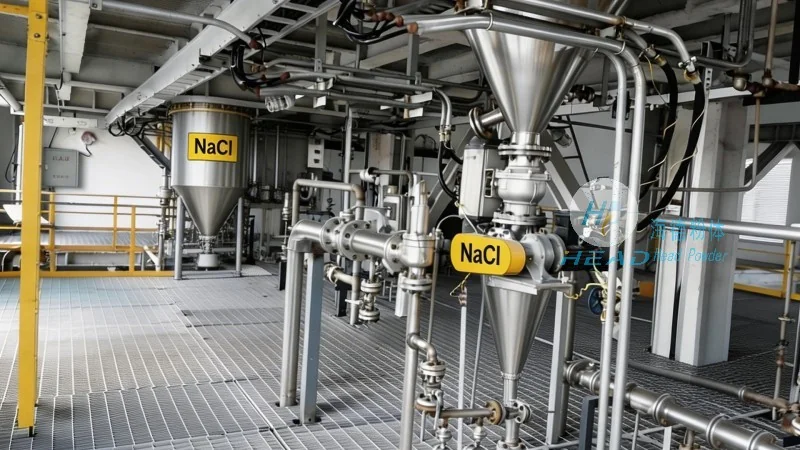
Principle of Pneumatic Conveying Systems
Pneumatic conveying systems operate by using air or gas as the primary medium to transport bulk materials, such as dust, powders, and granules. The core principle involves creating a pressure differential or utilizing the velocity of the air stream to move the material through a pipeline. There are two main types of pneumatic conveying: suction (or vacuum) systems and pressure systems. Suction systems use a vacuum to draw material from a source, while pressure systems force material through the pipeline using compressed air. The choice between these systems depends on factors like material properties, distance, and system complexity.
Working Scene Characteristics of Dust Pneumatic Conveying Systems
The working scene characteristics of dust pneumatic conveying systems are tailored to meet the specific demands of industrial environments. These systems are designed to handle fine powders and dust efficiently, ensuring minimal material loss and contamination. Key characteristics include high transfer efficiency, the ability to handle abrasive materials without excessive wear, and the flexibility to operate in various configurations, such as vertical, horizontal, or combined vertical-horizontal lines. Additionally, modern systems often incorporate advanced controls and monitoring to optimize performance and maintain consistent material flow.
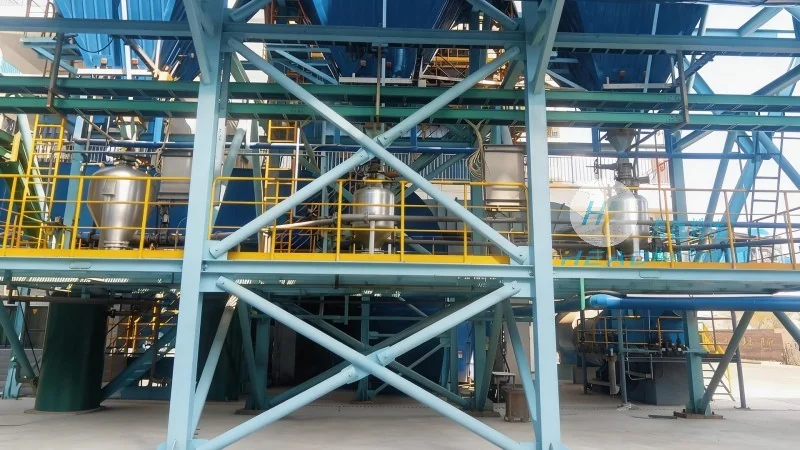
Applications and Industry Integration
HeadPowder's pneumatic conveying solutions are widely adopted across multiple industries, including chemical processing, food and beverage, pharmaceuticals, and mining. In chemical plants, these systems facilitate the transport of reactive powders and granules while maintaining strict safety and contamination control. In the food industry, the systems are designed to meet sanitary standards, ensuring that materials are handled hygienically and without cross-contamination. The pharmaceutical sector relies on these systems for the precise and sterile transfer of active ingredients and excipients, where cleanliness and product integrity are paramount. In mining operations, pneumatic conveying is used to transport raw materials from processing sites to storage or further processing facilities, improving operational efficiency and reducing labor costs.
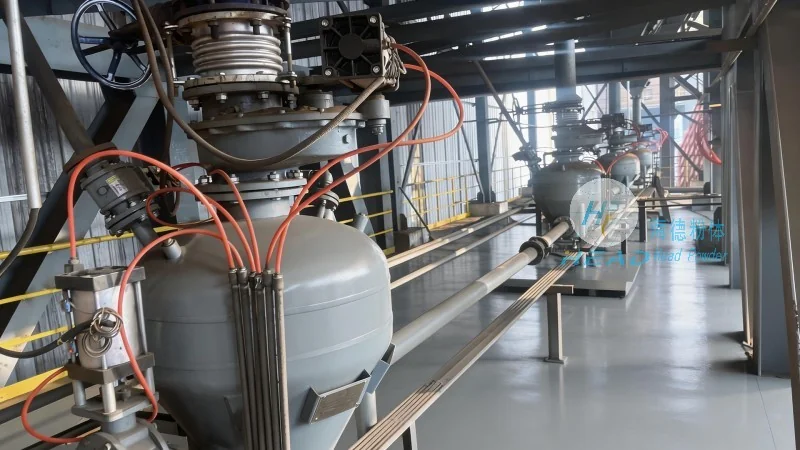
Advantages and Performance Metrics
Implementing dust pneumatic conveying systems offers several advantages over traditional mechanical conveying methods. These include reduced maintenance costs due to fewer moving parts, lower energy consumption compared to some other systems, and the ability to handle materials that are difficult to transport using conventional methods. Performance metrics such as conveying capacity, pressure drop, and material velocity are critical in evaluating system effectiveness. HeadPowder's engineering expertise ensures that each system is optimized for the specific material being transported, maximizing throughput while minimizing energy usage and wear on components.
Customization and System Design
HeadPowder Engineering Co., Ltd., based in Shandong, China, provides customized pneumatic conveying solutions tailored to the unique requirements of each client. The company's design process involves thorough analysis of material properties, operational parameters, and site constraints to develop a system that meets both functional and safety standards. Customization may include the selection of appropriate air volumes, pressure levels, and pipeline configurations, as well as the integration of features like cyclone separators, filters, and material feeders. By leveraging advanced engineering and manufacturing capabilities, HeadPowder ensures that each system is built to withstand the demands of industrial environments and delivers long-term reliability.




