

Principle and Application Scenarios of Bean Powder Pneumatic Conveying Systems
HeadPowder, a leading engineering company based in Shandong, China, specializes in the design and implementation of advanced pneumatic conveying systems tailored for handling bean powders and similar bulk materials. This article delves into the fundamental principles behind these systems and explores the key application scenarios where they offer significant advantages in material handling efficiency and operational reliability.
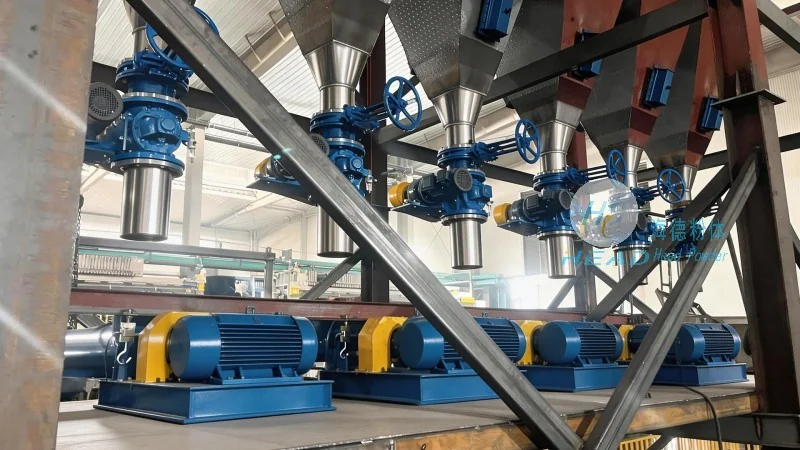
Principle of Pneumatic Conveying for Bean Powders
The core principle of pneumatic conveying systems involves the use of compressed air or other gases to transport solid materials like bean powder through a pipeline. Unlike traditional mechanical conveyors, which rely on mechanical components such as belts or screws, pneumatic systems utilize air pressure to move the material. In the case of bean powder, the system typically operates under positive pressure, where air is forced through the pipeline, carrying the powder particles along with it. The process begins with the material being fed into a hopper or feeder, where it is then introduced into the conveying line. Compressed air, often generated by a blower or compressor, is introduced at the inlet of the pipeline, creating a flow that propels the powder forward. The velocity of the air and the design of the pipeline (including bends, expansions, and reductions) are critical factors that determine the efficiency and effectiveness of the conveying process. The system ensures that the bean powder is transported smoothly without excessive pressure drops or material degradation, maintaining the quality of the product throughout the process.
Key Components of a Bean Powder Pneumatic Conveying System
HeadPowder's bean powder pneumatic conveying systems are composed of several essential components that work in concert to achieve efficient material transport. These components include: 1. **Feeder/Hopper**: This component is responsible for feeding the bean powder into the conveying line at a controlled rate. The design of the hopper and feeder is crucial to prevent material bridging or segregation, ensuring a consistent flow of powder. 2. **Blower/Compressor**: The air-moving device that generates the necessary pressure and airflow to transport the material. The choice of blower (e.g., rotary lobe, centrifugal) depends on factors such as the material characteristics, system length, and required flow rate. 3. **Conveying Pipeline**: The pipeline through which the air and powder travel. It is typically made of materials like stainless steel or plastic, chosen for their resistance to corrosion and wear from the bean powder. The pipeline design includes appropriate bends and fittings to minimize pressure losses and ensure smooth material flow. 4. **Receiver/Destination Tank**: The final component where the conveyed bean powder is deposited. This tank is often equipped with a discharge valve or other equipment to transfer the material to the next stage of processing or storage. 5. **Control System**: A system that monitors and controls the operation of the pneumatic conveying system, including air pressure, flow rate, and material level. This ensures optimal performance and prevents issues such as overpressure or underflow.
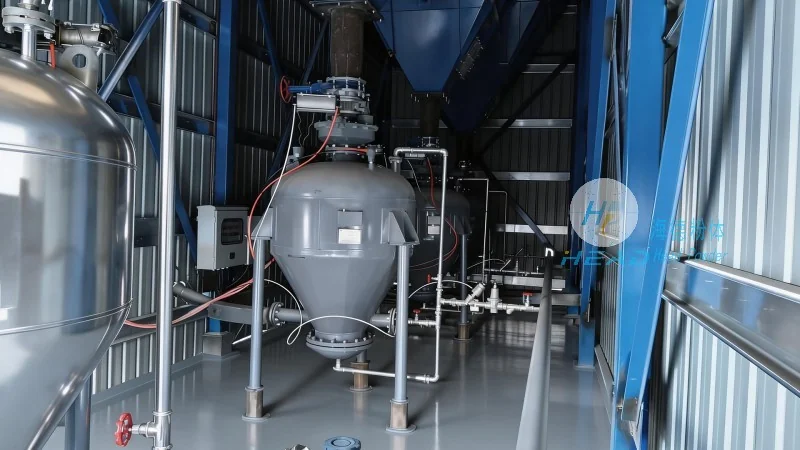
Application Scenarios for Bean Powder Pneumatic Conveying
Bean powder pneumatic conveying systems are widely used in various industrial applications where the efficient handling of fine powders is critical. Some common application scenarios include: 1. **Food Processing Industry**: In the production of bean-based products such as soy milk, tofu, or bean flour, pneumatic conveying systems are used to transport raw bean powder from storage silos to processing equipment. This ensures a clean and hygienic transfer of the material, maintaining product quality and safety standards. 2. **Pharmaceutical Industry**: For the handling of bean powder used in nutritional supplements or pharmaceutical formulations, pneumatic conveying offers a dust-free and contamination-free method of transport. The system's enclosed design prevents cross-contamination and ensures compliance with GMP (Good Manufacturing Practice) regulations. 3. **Agricultural Processing**: In facilities that process dried beans or bean meal, pneumatic conveying systems are used to move the material from processing lines to storage silos or packaging areas. This reduces labor costs and improves operational efficiency compared to manual handling or traditional conveyors. 4. **Chemical and Industrial Applications**: Bean powder may also be used as an ingredient in chemical formulations or industrial products. Pneumatic conveying systems provide a reliable method to transport these materials, especially when dealing with large volumes or long-distance transport.
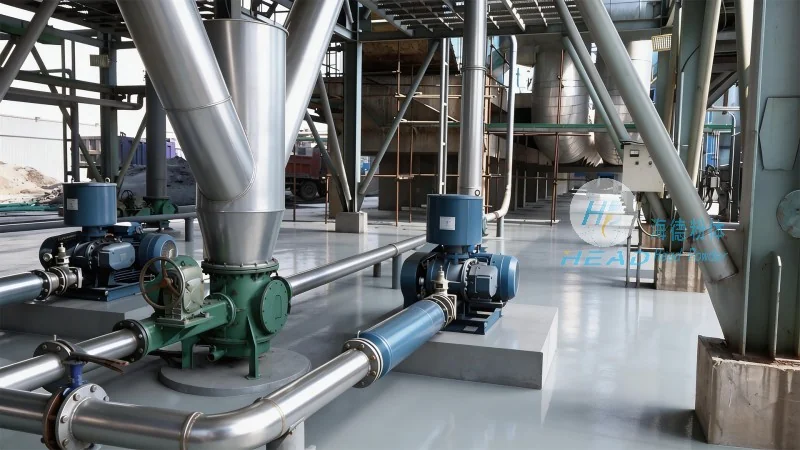
Advantages of Bean Powder Pneumatic Conveying Systems
Compared to traditional mechanical conveyors, bean powder pneumatic conveying systems offer several advantages that make them a preferred choice in many industries. These advantages include: 1. **Clean and Hygienic Operation**: The enclosed pipeline design prevents dust and contamination, making it suitable for food and pharmaceutical applications where hygiene is paramount. 2. **Reduced Labor Costs**: Automated feeding and conveying reduce the need for manual labor, lowering operational costs and improving safety. 3. **Efficient Material Handling**: Pneumatic systems can handle fine powders over long distances with minimal pressure loss, ensuring consistent flow rates and material quality. 4. **Space Efficiency**: The compact design of the system allows for installation in limited spaces, making it suitable for facilities with restricted floor space. 5. **Versatility**: These systems can be adapted to handle various types of bean powders and other bulk materials, providing flexibility in production processes.
Customization and Design Considerations by HeadPowder
HeadPowder, with its headquarters in Shandong, China, offers customized pneumatic conveying solutions tailored to the specific needs of each client. The company's engineering team works closely with clients to understand their material characteristics, processing requirements, and operational constraints. Based on this information, they design and manufacture systems that optimize performance, efficiency, and cost-effectiveness. Key design considerations include: 1. **Material Compatibility**: The choice of pipeline material and components is critical to prevent corrosion or degradation from the bean powder. 2. **Air Pressure and Flow Rate**: The system is designed to operate at the optimal air pressure and flow rate to ensure efficient transport without excessive energy consumption. 3. **System Length and Layout**: The layout of the conveying pipeline, including the number and type of bends, is carefully planned to minimize pressure losses and ensure smooth material flow. 4. **Safety Features**: The system incorporates safety features such as pressure relief valves, overcurrent protection, and emergency shut-off mechanisms to prevent accidents and ensure safe operation. 5. **Maintenance and Service**: HeadPowder provides comprehensive maintenance and service support to ensure the long-term reliability and performance of the pneumatic conveying system.