

Principles and Application Characteristics of Pneumatic Conveying Systems for Fine Chemical Industry
For industries dealing with fine chemicals, efficient material handling is crucial to maintaining production efficiency and product quality. Pneumatic conveying systems have emerged as a key solution, offering a reliable method for transporting powders and granules with precision and control. This article explores the fundamental principles behind these systems and highlights the specific characteristics of their application scenarios, providing insights into how they enhance operational performance in the fine chemical sector.
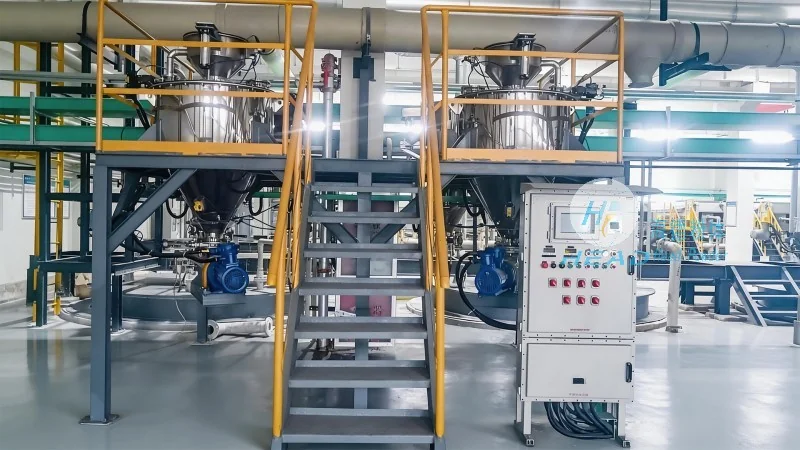
Understanding the Core Principles of Pneumatic Conveying Systems
Pneumatic conveying systems operate on the principle of using compressed air or other gases to transport bulk materials through a pipeline network. The system typically consists of a hopper for material storage, a conveyor line, and a receiver for the discharged material. The process involves creating a pressure differential between the inlet and outlet of the system, which propels the material forward. There are two primary types of pneumatic conveying: pressure and vacuum systems. Pressure systems use compressed air to push material from the source to the destination, while vacuum systems create a negative pressure to draw material from the source. The choice between these systems depends on factors such as material properties, distance, and system layout. For fine chemicals, which often require gentle handling to prevent agglomeration or degradation, the selection of the appropriate system type is critical. The system's design must ensure minimal impact on the material's physical and chemical properties, which is essential for maintaining product integrity throughout the conveying process.
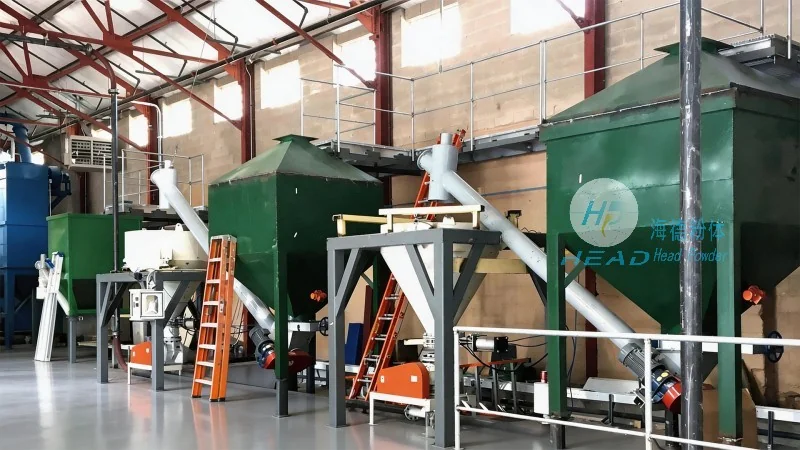
Key Characteristics of Pneumatic Conveying Systems in Fine Chemical Applications
When applied to fine chemicals, pneumatic conveying systems exhibit several distinct characteristics that make them well-suited for these demanding applications. Firstly, the systems are designed to handle materials with high moisture content or sensitive particle sizes, which are common in the fine chemical industry. The use of air as the conveying medium allows for gentle material movement, reducing the risk of particle breakage or contamination. This is particularly important for pharmaceuticals, food additives, and specialty chemicals, where product purity is paramount. Secondly, the systems offer high flexibility in terms of layout and integration with existing production lines. They can be configured to handle multiple material streams or to connect different processing units, providing a versatile solution for complex manufacturing environments. Thirdly, pneumatic conveying systems provide excellent control over material flow rates and pressure, enabling precise dosing and dosing accuracy. This level of control is essential for processes that require consistent material input, such as mixing, blending, or packaging. Additionally, the systems are relatively compact and can be installed in confined spaces, making them ideal for facilities with limited floor space. The ability to maintain a closed system also helps in controlling dust and preventing environmental contamination, which is a regulatory requirement in many industries.
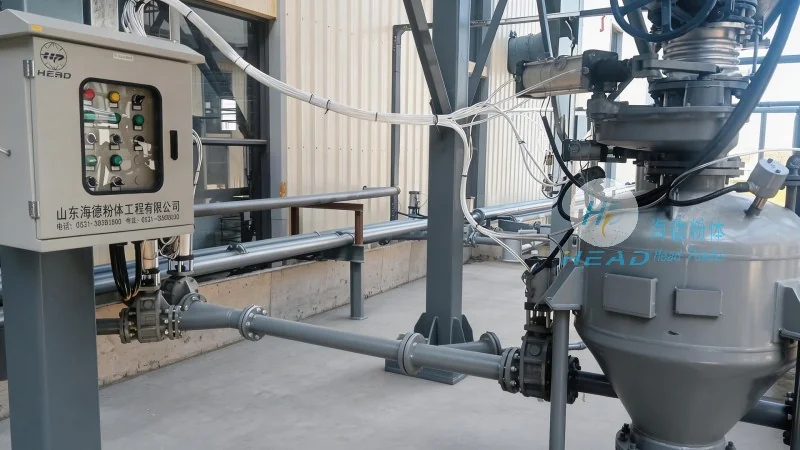
Working Scenarios and Practical Applications
The application scenarios of pneumatic conveying systems in fine chemical production vary widely, reflecting the diverse nature of the industry. One common scenario is the transport of raw materials from storage silos to processing units. In this case, the system ensures that powders are delivered to the production line without any loss or contamination, maintaining the quality of the incoming materials. Another scenario involves the transfer of intermediate products between different stages of the manufacturing process. For example, after a chemical reaction, the product may need to be conveyed to a drying or packaging unit. Pneumatic conveying allows for a seamless transition between these stages, minimizing downtime and improving overall production throughput. A third scenario is the handling of finished products, such as pharmaceutical powders or specialty chemicals, from the production line to storage or packaging facilities. The systems are designed to maintain the product's integrity during transport, ensuring that the final product meets the required specifications. In addition to these typical applications, pneumatic conveying systems are also used in quality control processes, where samples of the material need to be transported to testing laboratories. The systems provide a reliable and efficient method for sample transfer, supporting the continuous monitoring of product quality. Overall, the working scenarios of pneumatic conveying systems in fine chemical applications are characterized by their ability to handle a wide range of materials with precision and reliability, supporting the efficient operation of modern manufacturing facilities.
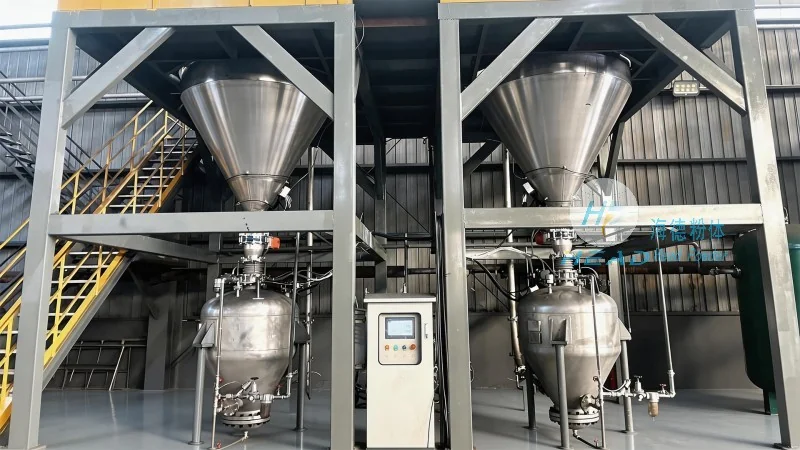
Conclusion: The Role of Pneumatic Conveying Systems in Modern Fine Chemical Production
In conclusion, pneumatic conveying systems play a vital role in the efficient and reliable operation of fine chemical production facilities. By leveraging the principles of air-based material transport, these systems offer a solution that is both effective and gentle on the materials being handled. The characteristics of these systems, such as their ability to handle sensitive materials, provide precise control, and maintain product integrity, make them an essential component of modern fine chemical processing. As the fine chemical industry continues to evolve, the demand for advanced material handling solutions will only increase, and pneumatic conveying systems will remain a key technology in meeting these challenges. The integration of such systems with other production processes, combined with the expertise of companies like Shandong HeadPowder Engineering Co., Ltd., ensures that manufacturers can achieve optimal performance and maintain the high standards required in the industry. With their commitment to quality and innovation, companies like HeadPowder are at the forefront of developing and implementing advanced pneumatic conveying solutions that meet the specific needs of the fine chemical sector.