

Advantages and Disadvantages of Negative Pressure and Positive Pressure Pneumatic Conveying for Calc
Calcium fluoride, a widely used chemical compound in various industrial applications, often requires efficient material handling solutions. Pneumatic conveying is a common method for transporting calcium fluoride, and two primary approaches exist: negative pressure (suction) and positive pressure (blowing) systems. This article provides a detailed comparison of the advantages and disadvantages of each method, helping industry professionals make informed decisions about the most suitable conveying system for their operations.
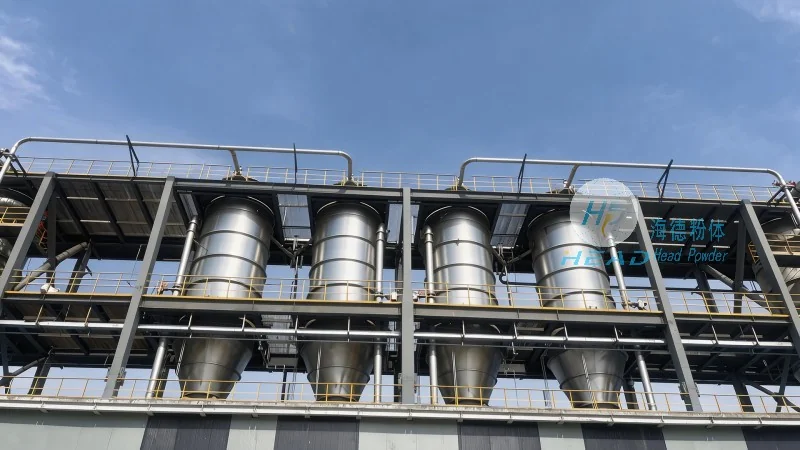
Introduction to Pneumatic Conveying for Calcium Fluoride
Pneumatic conveying involves transporting bulk materials like calcium fluoride using a gas stream, typically air. This method offers advantages over traditional mechanical conveying, such as reduced equipment wear, lower maintenance costs, and the ability to handle materials in a dust-free environment. However, the choice between negative and positive pressure systems depends on several factors, including material properties, system design, and operational requirements.
Company Overview: Shandong HeadPowder Engineering Co., Ltd.
Shandong HeadPowder Engineering Co., Ltd., a leading provider of pneumatic conveying solutions, specializes in designing and manufacturing systems tailored to the unique needs of industries handling calcium fluoride and other bulk materials. With years of experience, the company offers comprehensive services, including system design, installation, and maintenance, ensuring optimal performance and reliability for its clients. HeadPowder's expertise in material handling technology positions it as a trusted partner for businesses seeking efficient and cost-effective calcium fluoride transportation solutions.
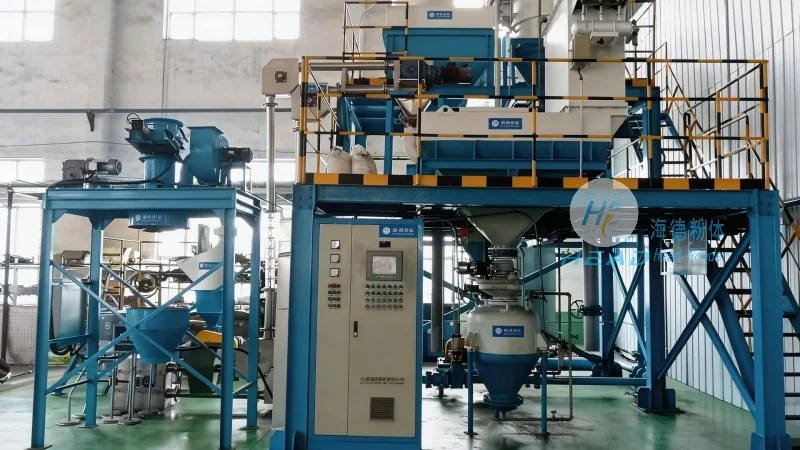
Negative Pressure (Suction) Pneumatic Conveying
Negative pressure systems operate by creating a vacuum at the material inlet, drawing the calcium fluoride into the conveying line. This method is particularly effective for handling materials that are prone to dust generation or require a clean transfer process. One of the key advantages of negative pressure conveying is its ability to handle fine powders and prevent product contamination, as the material is drawn into the system rather than forced through it. Additionally, negative pressure systems are generally more energy-efficient compared to positive pressure systems, as they rely on the natural suction of the vacuum to move material.
However, negative pressure conveying has several limitations. The primary drawback is its limited conveying distance and capacity. The vacuum created by the system can only effectively transport materials over short distances, typically up to a few hundred meters. This restricts the application of negative pressure systems in large-scale industrial settings where long-distance transport is required. Furthermore, negative pressure systems are more susceptible to clogging due to the low pressure differential, which can lead to system downtime and maintenance issues. Another consideration is the need for proper filtration and dust control measures to prevent air pollution and ensure compliance with environmental regulations.
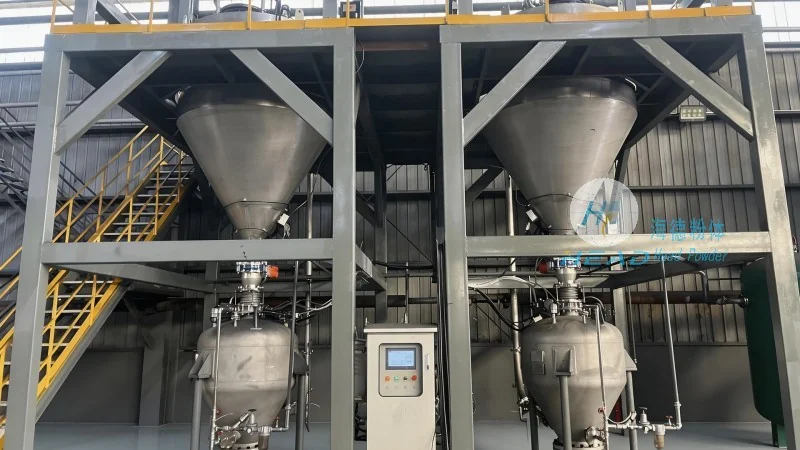
Positive Pressure (Blowing) Pneumatic Conveying
Positive pressure systems, on the other hand, use compressed air to force calcium fluoride through the conveying line. This method is suitable for longer distances and higher material capacities compared to negative pressure systems. The primary advantage of positive pressure conveying is its ability to transport materials over extended distances, often up to several kilometers, making it ideal for large-scale industrial operations. Additionally, positive pressure systems can handle a wider range of material types and particle sizes, including coarse powders and granules, without the risk of clogging that is common in negative pressure systems.
Despite these benefits, positive pressure conveying has its own set of disadvantages. The most significant drawback is the higher energy consumption compared to negative pressure systems. Compressed air generation requires substantial energy input, which increases operational costs. Furthermore, positive pressure systems are more prone to wear and tear on components such as valves, pipes, and filters due to the high pressure and abrasive nature of calcium fluoride particles. This leads to higher maintenance costs and potential system failures if not properly maintained. Another consideration is the risk of product contamination, as the compressed air used in the system may introduce moisture or other contaminants into the material stream.
Comparison of Negative and Positive Pressure Systems for Calcium Fluoride
When comparing negative and positive pressure pneumatic conveying systems for calcium fluoride, several factors must be considered. The choice between the two methods depends on the specific application requirements, including the distance to be covered, the material characteristics, and the operational budget. For short-distance transport of fine powders where dust control is critical, negative pressure systems are often preferred due to their energy efficiency and ability to prevent contamination. Conversely, for long-distance transport of bulk materials where capacity and distance are primary concerns, positive pressure systems are more suitable despite their higher energy consumption and maintenance requirements.
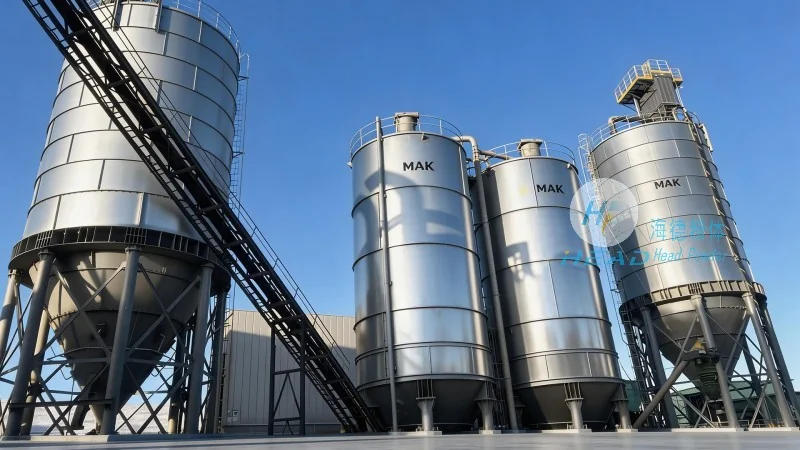
Cost is another critical factor in the decision-making process. Negative pressure systems generally have lower initial costs due to simpler design and fewer components, but their limitations in distance and capacity may require additional infrastructure, such as intermediate vacuum boosters, which can increase overall costs. Positive pressure systems, while more expensive initially, offer greater flexibility in terms of distance and material handling, potentially reducing the need for additional equipment and infrastructure over time.
Conclusion and Recommendations
Both negative and positive pressure pneumatic conveying systems have their unique advantages and disadvantages when applied to calcium fluoride transportation. The optimal choice depends on the specific operational needs of the industry. For applications requiring efficient, low-cost transport of fine powders over short distances, negative pressure systems are recommended. For large-scale operations involving long-distance transport of bulk materials, positive pressure systems are more suitable, despite higher energy and maintenance costs. Ultimately, the decision should be based on a thorough analysis of the material properties, system requirements, and cost considerations to ensure the most effective and reliable calcium fluoride conveying solution.