

Principle and Working Scene Characteristics of Lead Powder Pneumatic Conveying Systems
Lead powder, as a critical material in various industrial processes, requires efficient and reliable handling methods to ensure safe and effective transportation. The pneumatic conveying system for lead powder stands out as a sophisticated solution that addresses the unique challenges associated with this heavy and potentially hazardous material. This article delves into the fundamental principles of such systems and highlights the key characteristics of their operational environments, providing a comprehensive overview for professionals in the field. The information is presented by Shandong HeadPowder Engineering Co., Ltd., a leading provider of specialized engineering solutions for material handling systems, with operations based in China.
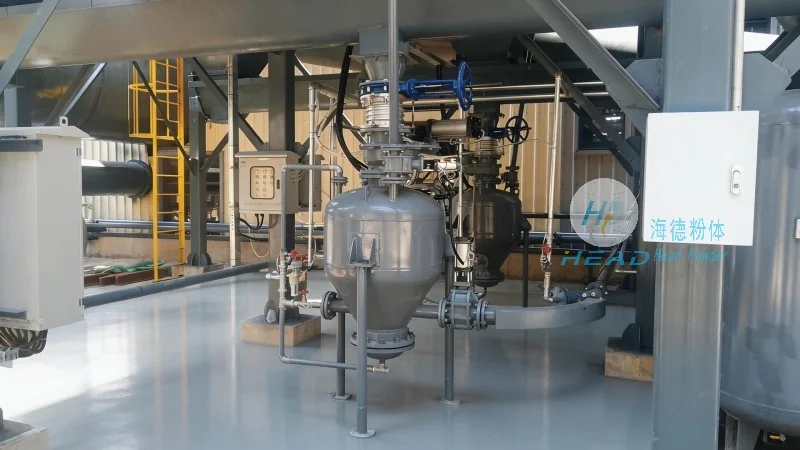
Introduction to Lead Powder Pneumatic Conveying Systems
Lead powder, often used in battery manufacturing, radiation shielding, and other industrial applications, presents distinct handling challenges due to its density, chemical properties, and potential for dust generation. Traditional methods like bucket elevators or belt conveyors may not be suitable for lead powder due to the risk of contamination, material degradation, or operational inefficiencies. Pneumatic conveying systems offer a solution by utilizing air to transport lead powder in a closed system, minimizing exposure risks and optimizing material flow. The system typically consists of a blower, a hopper for material storage, a conveying line, and a receiver for the discharged material, all working in tandem to achieve seamless transportation.
The Core Principle of Pneumatic Conveying
The fundamental principle of pneumatic conveying for lead powder is based on the use of compressed air to create a flow that lifts and transports the powder particles through a pipeline. This process can be categorized into two main types: dilute-phase and dense-phase conveying. Dilute-phase systems operate at higher air velocities, typically moving particles in a suspended state, while dense-phase systems use lower air velocities to move particles in a more compacted form, reducing the risk of particle degradation and system blockages. For lead powder, the choice between these two types depends on the specific application requirements, such as the distance of transportation, the required material handling speed, and the need to maintain product integrity.
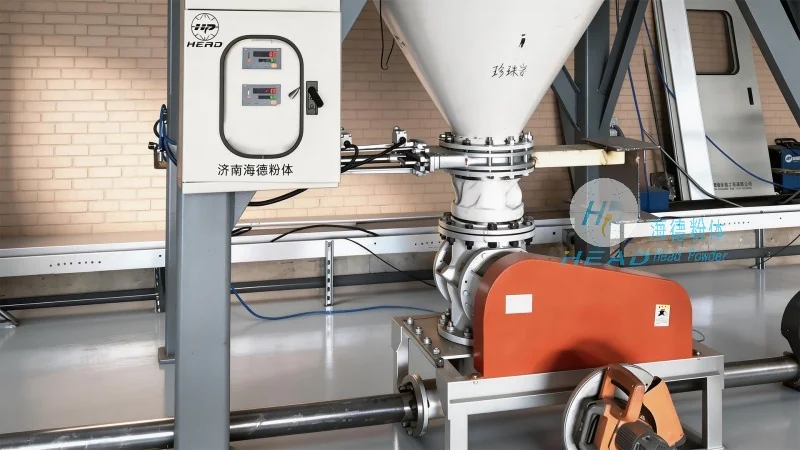
Key Components and Their Functions
The effectiveness of a lead powder pneumatic conveying system relies on the proper integration of several key components. The blower or air compressor is responsible for generating the necessary air pressure and flow rate to move the powder. The hopper, often equipped with a feeding mechanism like a rotary valve or a screw feeder, ensures a consistent and controlled feed of lead powder into the system. The conveying line, usually made of corrosion-resistant materials like stainless steel or polyethylene, prevents material buildup and maintains the integrity of the lead powder. The receiver, typically a hopper or a storage tank, collects the transported lead powder and may include features like dust collection or filtration to ensure environmental compliance. Each component is designed to handle the specific properties of lead powder, such as its high density and potential for abrasiveness, to ensure long-term system performance.
Working Scene Characteristics of Lead Powder Pneumatic Conveying Systems
The operational environment of lead powder pneumatic conveying systems is characterized by several unique factors that influence system design and performance. One of the primary considerations is the need for a closed system to prevent lead dust from escaping into the environment, as lead is a hazardous material that poses health risks if inhaled or ingested. This requires the use of sealed components and proper ventilation systems to maintain air quality and comply with environmental regulations. Another key characteristic is the system's ability to handle lead powder in various forms, including fine powders, agglomerates, or mixed with other materials, without causing blockages or system failures. The system's design must accommodate the varying particle sizes and flow properties of lead powder to ensure consistent and reliable operation.
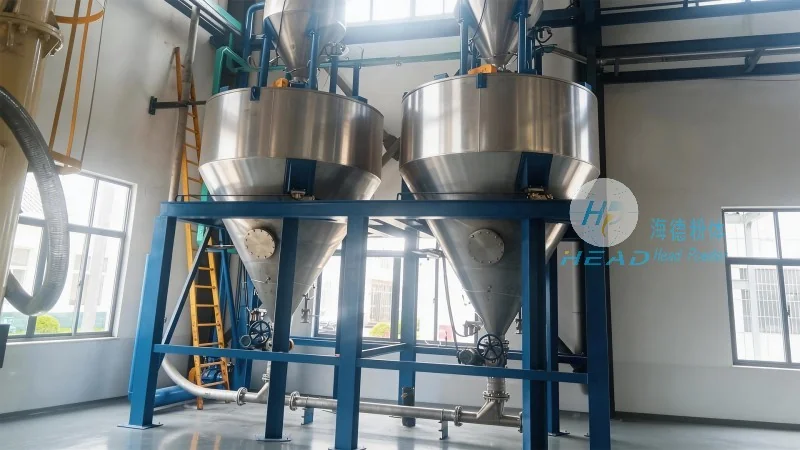
Applications and Industrial Scenarios
Lead powder pneumatic conveying systems are widely used in various industrial applications where lead powder handling is essential. In battery manufacturing, these systems are used to transport lead powder from storage to production lines, ensuring a continuous and safe supply of material. In radiation shielding applications, the system helps transport lead powder to construction sites, where it is used to create protective barriers. Additionally, in recycling facilities, pneumatic conveying systems are employed to transport lead powder from recycling processes to storage or further processing stages. Each of these applications requires a customized system design that addresses the specific operational demands, such as the distance of transportation, the volume of material, and the need for material purity.
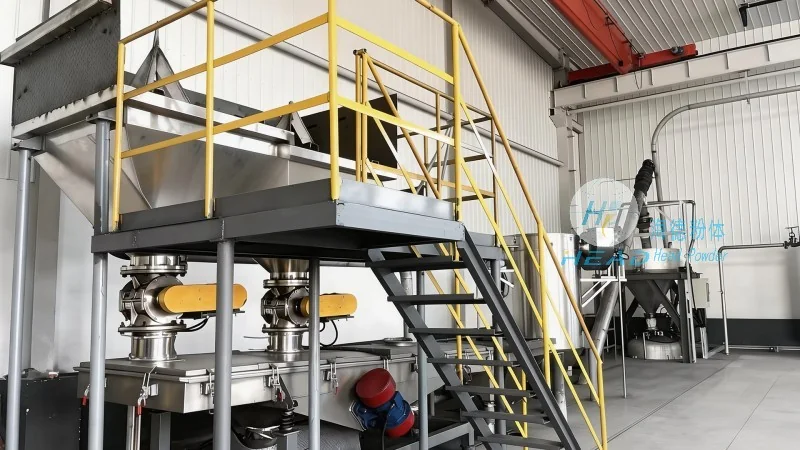
Advantages and Benefits
Pneumatic conveying systems for lead powder offer several advantages over traditional handling methods. One of the most significant benefits is the reduction of manual handling, which minimizes the risk of lead exposure for workers. The closed system design also prevents lead dust from contaminating the surrounding environment, reducing the risk of environmental pollution and ensuring compliance with regulatory standards. Additionally, pneumatic conveying systems can handle lead powder at high speeds and over long distances without causing material degradation or loss of product quality. The system's flexibility allows for easy integration with existing production lines, reducing downtime and improving overall operational efficiency. These advantages make pneumatic conveying systems an ideal solution for lead powder handling in various industrial settings.
Conclusion
In conclusion, the lead powder pneumatic conveying system is a sophisticated and effective solution for handling lead powder in industrial applications. By understanding the core principles of pneumatic conveying and the key characteristics of operational environments, professionals can design and implement systems that meet the specific requirements of their applications. The system's ability to provide safe, efficient, and reliable transportation of lead powder makes it a valuable asset in industries where lead powder is a critical material. As technology advances, further improvements in system design and materials will likely enhance the performance and capabilities of lead powder pneumatic conveying systems, ensuring their continued relevance in the industrial landscape.