

The Working Principle and Features of Sponge Sand Pneumatic Conveying
For industrial applications requiring efficient and reliable material handling, the use of pneumatic conveying systems has become increasingly prevalent. Among these systems, the sponge sand pneumatic conveying technology stands out due to its unique properties and operational advantages. This article aims to explore the working principle and key features of sponge sand pneumatic conveying, providing a comprehensive understanding of this advanced material transport solution.
Introduction to Sponge Sand Pneumatic Conveying
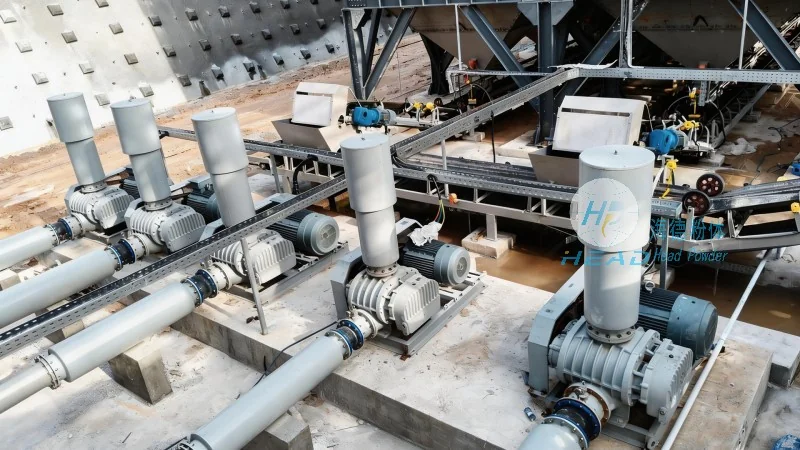
Sponge sand, also known as expanded or lightweight sand, is a specialized construction material that combines the structural benefits of traditional sand with enhanced lightness and porosity. In pneumatic conveying, this material is transported through a closed system using air pressure or vacuum. The process involves the generation of a flow of air that carries the sponge sand particles from the source to the destination, typically through a network of pipes and valves. This method is particularly effective for handling fine or dusty materials while minimizing dust emissions and ensuring consistent material flow.
Working Principle of Sponge Sand Pneumatic Conveying
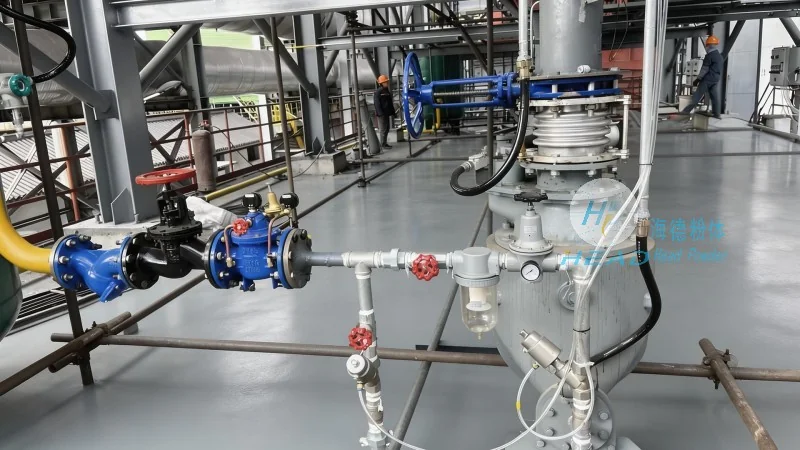
The core mechanism of sponge sand pneumatic conveying relies on the principles of fluid dynamics and particle transport. The system operates by creating a differential pressure between the inlet and outlet of the conveying line. At the source, a blower or compressor generates high-pressure air, which is then introduced into the conveying pipe. As the air flows through the pipe, it picks up the sponge sand particles, forming a dense phase or dilute phase mixture depending on the system design and operational parameters. The velocity of the air stream is critical; it must be sufficient to overcome the gravitational forces acting on the particles and maintain a stable flow. The conveying line is equipped with various components such as feeders, cyclones, and filters to control the flow rate, separate the air from the sand, and prevent blockages. The entire process is automated, allowing for precise control over the material transport, ensuring consistent delivery to the target location.
Key Features of Sponge Sand Pneumatic Conveying Systems
Several distinct features make sponge sand pneumatic conveying an attractive option for industrial applications. Firstly, it offers a dust-free operation, which is crucial for maintaining a clean working environment and complying with environmental regulations. Unlike traditional bulk material handling methods that generate significant dust, the enclosed system of pneumatic conveying minimizes particulate emissions, enhancing workplace safety and reducing the need for additional dust control measures. Secondly, the system provides high efficiency in material transport, with the ability to handle large volumes of sponge sand over long distances with minimal energy consumption. The use of air as the conveying medium allows for flexible routing of the pipes, enabling the system to be adapted to complex layouts without the need for extensive structural modifications. Thirdly, the technology ensures consistent material quality by preventing segregation and agglomeration of the sand particles. The uniform flow and controlled velocity maintain the integrity of the sponge sand, which is essential for applications where the material's properties, such as porosity and density, are critical. Additionally, the system is relatively low maintenance compared to other bulk handling solutions, as it has fewer moving parts and requires less frequent cleaning due to the enclosed design.
Applications and Advantages in Industrial Settings
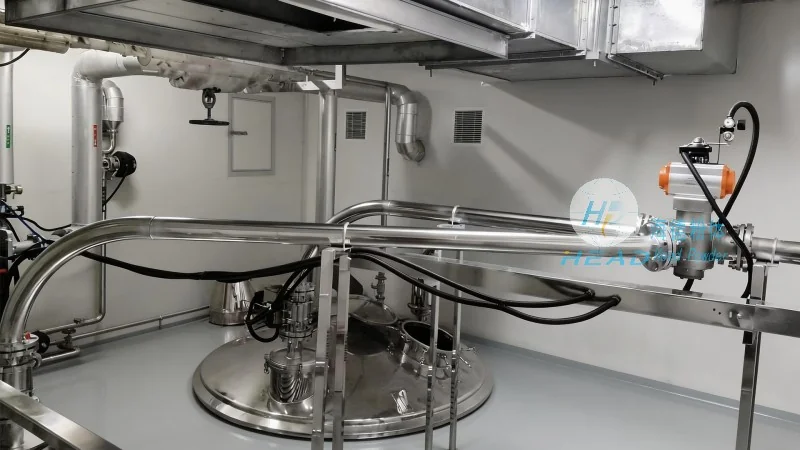
The benefits of sponge sand pneumatic conveying are evident in various industrial sectors. In construction, the technology is used for transporting lightweight aggregates to building sites, where the material is required for concrete production or as a fill material. The efficiency of the system allows for timely delivery of the sand, reducing project delays and improving overall productivity. In manufacturing, the system is employed in the production of lightweight concrete blocks or insulation materials, where the consistent quality of the sponge sand is vital for the final product's performance. The ability to handle fine particles without clogging the pipes makes it suitable for applications in the chemical and pharmaceutical industries, where precision and purity are paramount. Furthermore, the system's adaptability allows it to be integrated into existing production lines, providing a seamless transition from traditional handling methods to more advanced solutions. The cost-effectiveness of the technology, when considering the reduced labor and equipment costs associated with dust control and material handling, makes it a financially viable option for businesses looking to optimize their operations.
Conclusion and Company Overview
In conclusion, sponge sand pneumatic conveying represents a sophisticated and efficient solution for the transport of specialized construction materials. By leveraging the principles of pneumatic transport, this technology offers numerous advantages, including dust-free operation, high material efficiency, and consistent quality control. The working principle, which involves the use of air pressure to move the sand through a closed system, ensures reliable and continuous material flow. The key features of the system, such as its ability to handle fine particles and adapt to complex layouts, make it a versatile choice for various industrial applications. As industries continue to seek more sustainable and efficient material handling solutions, the adoption of sponge sand pneumatic conveying is likely to increase, driven by its performance benefits and environmental advantages. Shandong HeadPowder Engineering Co., Ltd., a leading provider in this field, specializes in the design, manufacturing, and installation of such advanced pneumatic conveying systems. With a commitment to quality and innovation, the company serves clients across China, offering tailored solutions that meet their specific material handling needs. HeadPowder's expertise in engineering and material science ensures that their systems are not only efficient but also reliable, contributing to the success of projects in construction, manufacturing, and other sectors. Based in Shandong, China, the company leverages its local presence and technical knowledge to deliver comprehensive support, from system design to after-sales service, ensuring that clients achieve optimal performance and long-term value from their pneumatic conveying investments.