

Working Principle and Characteristics of Metallurgical Coke Pneumatic Conveying
Metallurgical coke is a critical raw material in the steelmaking process, and its efficient handling is essential for industrial operations. Pneumatic conveying, a method that uses air or gas to transport solid materials, offers a reliable solution for moving metallurgical coke. This article explores the working principle and key characteristics of metallurgical coke pneumatic conveying systems, providing insights into how they operate and their advantages in industrial applications.
Working Principle of Metallurgical Coke Pneumatic Conveying
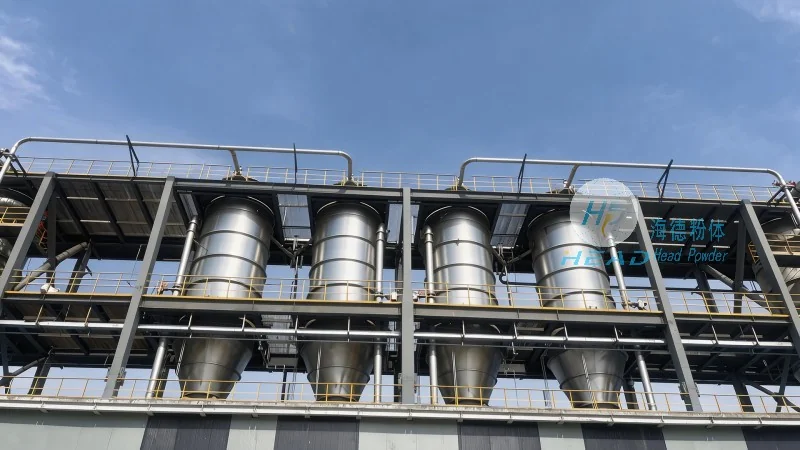
The core of metallurgical coke pneumatic conveying lies in the use of air pressure to transport coke particles through a pipeline. The process typically involves several key components: a hopper for material storage, a feeder to control the flow rate, a conveyor pipeline, and a separator to separate the coke from the air stream. The system operates by creating a pressure differential between the inlet and outlet of the pipeline. When air is introduced into the pipeline, it creates a flow that lifts and transports the coke particles. The pressure can be either positive (where the pipeline is under higher pressure than the ambient air) or negative (where the pipeline is under lower pressure than the ambient air). Positive pressure systems are commonly used for long-distance or high-capacity conveying, as they can handle larger volumes of material and overcome greater resistance. Negative pressure systems, on the other hand, are often employed for shorter distances or when the material is sensitive to contamination, as they create a sealed environment that prevents dust from escaping.
Key Characteristics of Metallurgical Coke Pneumatic Conveying
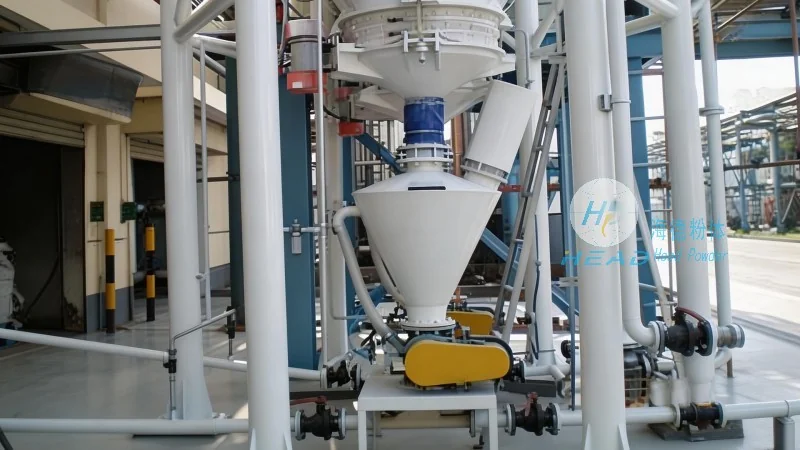
Metallurgical coke pneumatic conveying systems exhibit several distinct characteristics that make them suitable for industrial applications. First, they offer a dust-free and clean operation, which is crucial for maintaining environmental standards and preventing contamination in downstream processes. Unlike mechanical conveying methods, such as belt conveyors, pneumatic systems do not involve direct contact between the coke and the conveying equipment, reducing the risk of material degradation or wear. Second, these systems provide high flexibility in terms of layout and routing. The pipeline can be installed in various configurations, including vertical, horizontal, or inclined paths, allowing for integration into existing industrial facilities without major structural modifications. This flexibility is particularly beneficial for plants with limited space or complex layouts. Third, pneumatic conveying systems are capable of handling a wide range of particle sizes and densities. Metallurgical coke typically consists of irregularly shaped particles with varying diameters, and the system's design can accommodate these variations through adjustable air flow rates and pressure settings. This adaptability ensures consistent performance even with fluctuating material characteristics. Fourth, the system offers efficient material transport with minimal energy consumption compared to other methods. By using air as the conveying medium, the system reduces the need for mechanical components like motors and gears, which can be prone to wear and maintenance. The energy efficiency of pneumatic conveying is further enhanced by the ability to recycle the air stream, reducing the overall air consumption and operational costs.
Advantages and Applications in Industrial Settings
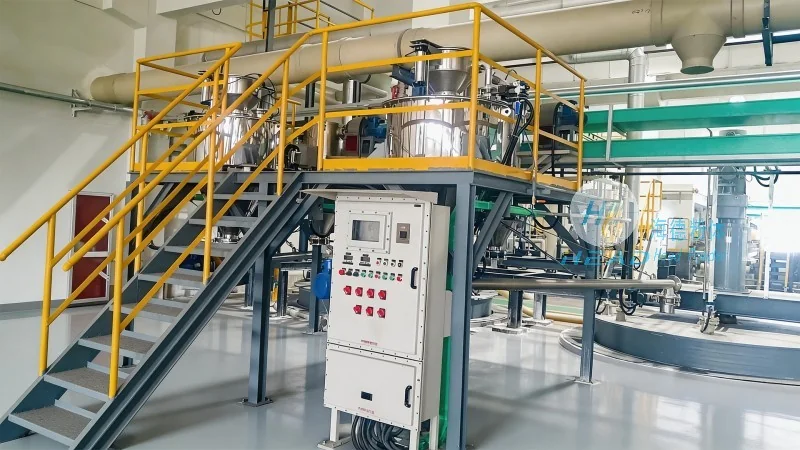
The advantages of metallurgical coke pneumatic conveying make it a preferred choice in various industrial settings. For steel mills, the system ensures a continuous and reliable supply of coke to the blast furnace, which is critical for maintaining production rates. The dust-free operation also contributes to a cleaner working environment, reducing health risks for workers and minimizing the need for additional dust control measures. In addition, the flexibility of the system allows for easy integration with other processing equipment, such as crushers or screens, enabling a seamless material flow from storage to the furnace. The system's ability to handle large volumes of material efficiently also supports high production throughput, making it suitable for both small and large-scale steel manufacturing operations. Furthermore, the low maintenance requirements of pneumatic conveying systems reduce downtime and operational costs, contributing to overall cost savings for the plant. The reliability of the system, with minimal mechanical parts, ensures consistent performance over long periods, minimizing the risk of breakdowns and production interruptions.
Conclusion
Metallurgical coke pneumatic conveying is a sophisticated and efficient method for transporting coke in industrial applications. By leveraging air pressure to move solid particles, the system offers advantages such as dust-free operation, flexibility in layout, and energy efficiency. These characteristics make it an ideal solution for steel mills and other industrial facilities that require reliable and high-capacity material handling. The working principle, which involves creating a pressure differential and using air as the conveying medium, ensures consistent performance even with varying material characteristics. As the demand for efficient material handling in the steel industry continues to grow, pneumatic conveying systems remain a vital component in maintaining production efficiency and environmental compliance. The expertise of companies like Shandong HeadPowder Engineering Co., Ltd. in designing and implementing such systems highlights the importance of specialized engineering in optimizing industrial processes.