

What is Powdered Seasoning Pneumatic Conveying? Understanding Its Design Principles
For businesses in the food industry, particularly those dealing with powdered seasonings, efficient and reliable material handling is crucial. One of the most effective methods for transporting these fine powders is pneumatic conveying. This technology offers a solution to the challenges of moving delicate, lightweight, and often hygroscopic materials like seasoning powders. Shandong HeadPowder Engineering Co., Ltd., a leading provider of engineering solutions for the food processing industry, specializes in designing and implementing pneumatic conveying systems tailored to the unique needs of seasoning manufacturers. In this article, we will explore what powdered seasoning pneumatic conveying is and delve into the fundamental design principles that ensure optimal performance.
Introduction to Powdered Seasoning Pneumatic Conveying
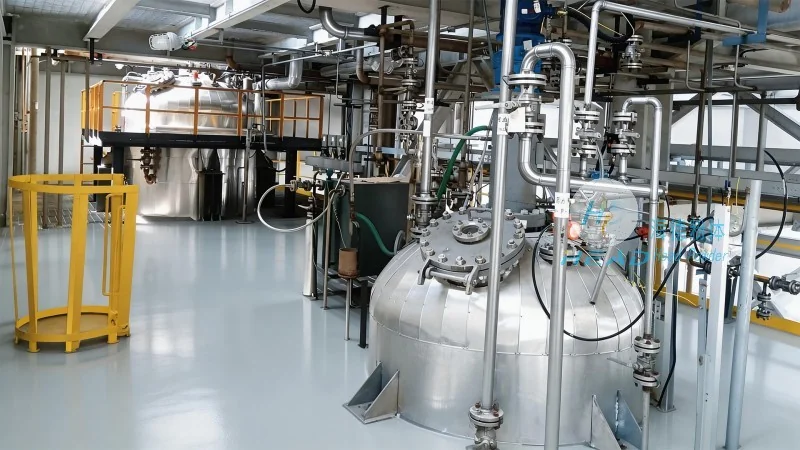
Pneumatic conveying, also known as pneumatic transport, is a method of transporting bulk materials through a pipeline using a gas, typically air. In the context of powdered seasonings, this technology is used to move ingredients such as spices, herbs, and flavor enhancers from storage to processing equipment, packaging lines, or storage silos. The process involves creating a flow of air within a closed system, which carries the powder particles along the pipeline. This method is preferred over traditional mechanical conveying systems because it minimizes product degradation, reduces contamination risks, and offers greater flexibility in system layout.
Key Components of a Pneumatic Conveying System for Seasonings
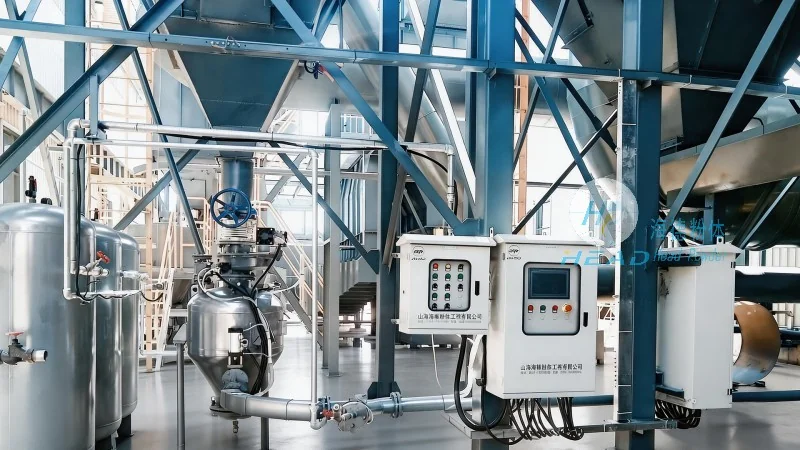
A typical pneumatic conveying system for powdered seasonings consists of several key components that work in concert to ensure efficient material transport. These components include a material feed hopper, a conveyor line (often a flexible or rigid pipe), a pressure or vacuum source (like a blower or vacuum pump), and a separation or collection system. The feed hopper is designed to hold the seasoning powder and control the flow rate into the system. The conveyor line, which can be made of stainless steel or other corrosion-resistant materials, is where the powder is carried by the air stream. The pressure or vacuum source provides the necessary force to move the powder through the system. Finally, the separation or collection system, such as a cyclone or filter, removes the powder from the air stream and directs it to its final destination.
Design Principles for Optimal Performance
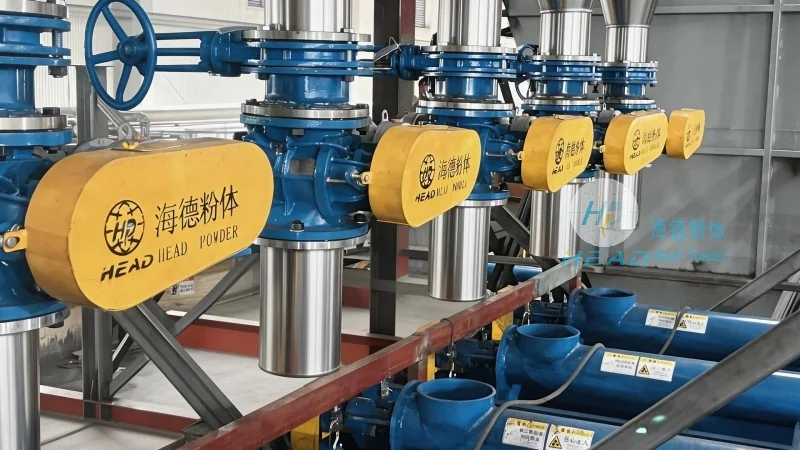
The success of a pneumatic conveying system for powdered seasonings hinges on careful consideration of several design principles. These principles are tailored to the unique properties of the material being transported, such as particle size, density, and moisture content. One of the primary design considerations is the selection of the appropriate conveying method—either pressure or vacuum. Pressure systems use a blower to generate positive pressure and push the material through the line, while vacuum systems use a vacuum pump to pull the material. The choice between these methods depends on factors like the distance to be covered, the height of the system, and the material's characteristics. For example, pressure systems are often used for short to medium distances and when the material needs to be moved against gravity, whereas vacuum systems are better suited for longer distances or when the material must be lifted.
Another critical design principle is the velocity of the air stream. The air velocity must be high enough to keep the powder particles suspended and prevent them from settling out of the air stream. However, if the velocity is too high, it can cause excessive wear on the system components and increase energy consumption. The optimal air velocity is typically determined through calculations based on the material's properties and the system's design. Additionally, the system's layout, including the number and placement of bends, expansions, and contractions, must be carefully designed to minimize pressure losses and ensure smooth flow. Each bend or change in direction can cause a pressure drop, which reduces the system's efficiency and may lead to material deposition or blockages.
Advantages of Pneumatic Conveying for Seasonings
Implementing a pneumatic conveying system for powdered seasonings offers numerous advantages over traditional methods. First and foremost, it provides a hygienic and contamination-free environment. Since the material is transported in a closed system, there is no risk of cross-contamination with other products or environmental pollutants. This is particularly important for food-grade seasonings, where maintaining product purity is essential. Additionally, pneumatic conveying reduces product degradation by minimizing exposure to air, light, and moisture, which can cause oxidation or caking. The closed system also helps to control the temperature and humidity of the material, preserving its flavor and quality.
Another significant advantage is the flexibility and scalability of the system. Pneumatic conveying systems can be easily expanded or reconfigured to accommodate changes in production volume or product lines. They can handle a wide range of particle sizes and densities, making them suitable for various types of seasonings. Furthermore, the system can be integrated with other processing equipment, such as mixers, blenders, and packaging machines, creating a seamless production line. This integration improves overall operational efficiency and reduces labor costs.
Considerations for System Maintenance and Safety
While pneumatic conveying systems offer many benefits, proper maintenance and safety considerations are essential to ensure long-term performance and reliability. Regular maintenance is required to keep the system components in good working condition. This includes checking the condition of the conveyor lines for wear or damage, inspecting the feed hopper for blockages or wear, and ensuring that the pressure or vacuum source is functioning correctly. The separation or collection system, such as a cyclone or filter, must also be regularly cleaned to prevent clogging and maintain efficiency.
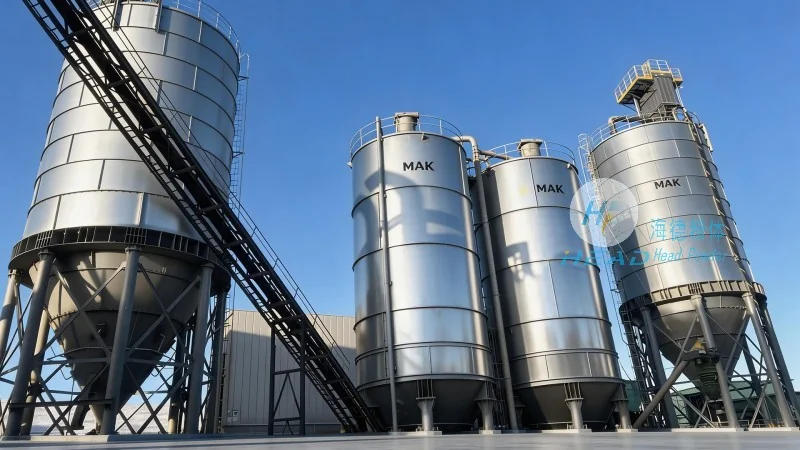
Safety is another critical aspect of pneumatic conveying systems. Since the system operates under pressure or vacuum, there is a risk of equipment failure or leaks that could lead to injury or property damage. Proper safety measures, such as pressure relief valves, emergency shut-off switches, and regular inspections, must be implemented to mitigate these risks. Additionally, the system should be designed to prevent the release of dust or other particles into the environment, which can pose health hazards. This may involve using dust collection systems or ensuring that the system is properly sealed.
Conclusion
Pneumatic conveying is a highly effective and versatile method for transporting powdered seasonings. By understanding the design principles and components of such a system, businesses can optimize their material handling processes, improve product quality, and enhance operational efficiency. The technology offers a hygienic, flexible, and scalable solution that is well-suited to the demands of the food industry. As the demand for high-quality, consistent seasonings grows, the importance of reliable pneumatic conveying systems will only increase. For companies looking to improve their production processes, investing in a well-designed pneumatic conveying system is a strategic move that can yield significant long-term benefits.