

Biomass Ash Powder Pneumatic Conveying: Understanding the Process and Design Principles
Biomass ash, a byproduct of biomass combustion processes, often requires efficient handling and transportation for various industrial applications. Pneumatic conveying systems offer a reliable and effective solution for moving these fine powders over short to medium distances. This article explores the concept of biomass ash powder pneumatic conveying and delves into the core design principles that ensure optimal performance and system reliability.
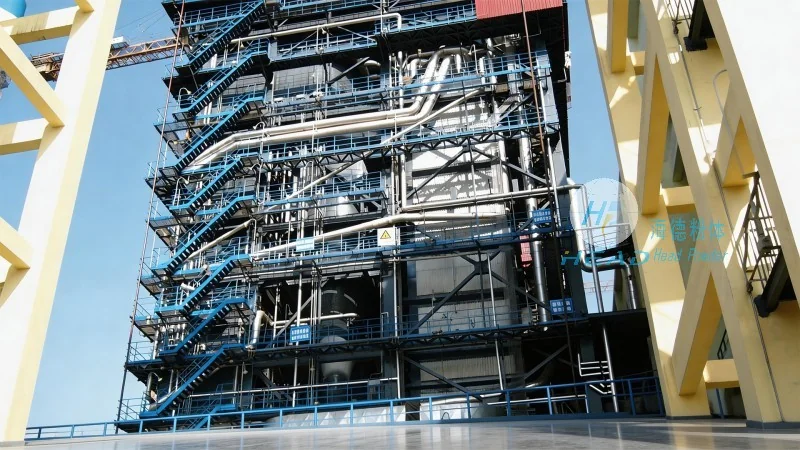
What is Biomass Ash Powder Pneumatic Conveying?
Pneumatic conveying, in the context of biomass ash, refers to the technology that uses compressed air or other gas to transport dry bulk materials like biomass ash powder through a pipeline system. Unlike mechanical conveying methods, which rely on mechanical components such as screws or belts, pneumatic systems utilize the force of air to move particles. This method is particularly advantageous for handling fine, dusty materials that are prone to caking or segregation, as it minimizes material degradation and ensures consistent flow rates.
The Role of Shandong HeadPowder Engineering Co., Ltd. in Pneumatic Conveying Solutions
Shandong HeadPowder Engineering Co., Ltd., a leading provider of engineering solutions for bulk material handling, specializes in designing and manufacturing pneumatic conveying systems tailored to the unique needs of biomass ash applications. With years of experience in the industry, the company has developed a deep understanding of the challenges associated with transporting fine powders, including material variability, moisture content, and particle size distribution. By leveraging advanced engineering techniques and materials, HeadPowder ensures that its systems are robust, efficient, and compliant with industry standards.
Key Components of a Biomass Ash Pneumatic Conveying System
A typical pneumatic conveying system for biomass ash powder consists of several critical components that work in harmony to achieve effective material transport. These components include:
1. Feeder: The feeder is responsible for feeding the biomass ash powder into the conveying line at a controlled rate. It ensures a consistent flow of material, preventing blockages and maintaining system efficiency. Different types of feeders, such as rotary valves or star feeders, are used depending on the specific characteristics of the ash powder.
2. Conveying Line: The pipeline system is the backbone of the pneumatic conveying system. It is typically made of materials like stainless steel or plastic, chosen for their resistance to corrosion and wear from the ash particles. The line is designed with appropriate diameters and bends to minimize pressure drop and ensure smooth material flow.
3. Compressor or Blower: The compressor or blower generates the necessary air pressure to move the ash powder through the pipeline. The choice of equipment depends on the system's capacity, distance, and the specific properties of the material. High-pressure blowers are often used for short-distance conveying, while low-pressure systems are suitable for longer distances.
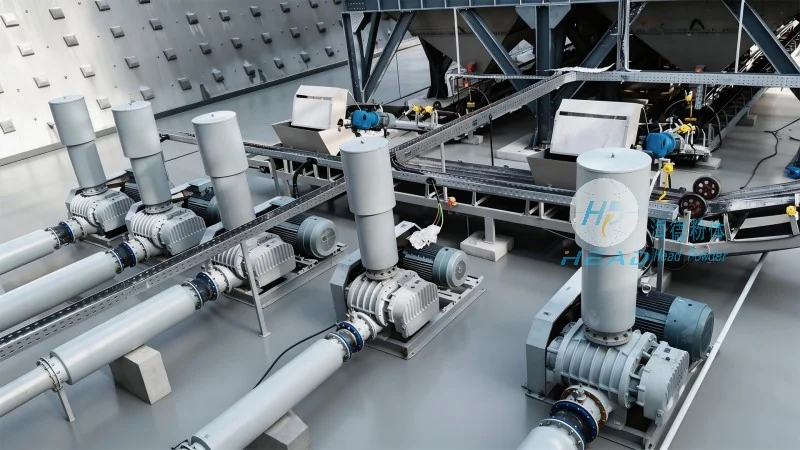
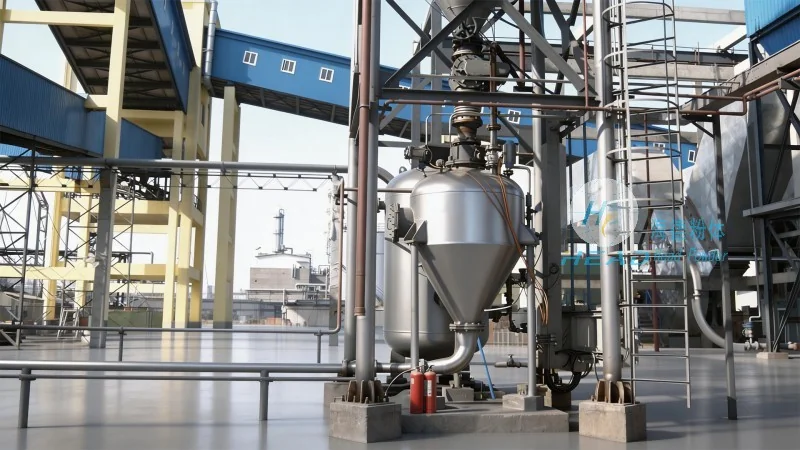
4. Separation and Collection: At the receiving end of the system, separation equipment is used to separate the ash powder from the air stream. This may include cyclones, filters, or baghouses, which collect the powder and return it to storage or processing areas. Proper collection is essential to prevent dust emissions and maintain environmental compliance.
Design Principles for Optimal Performance
The design of a biomass ash pneumatic conveying system involves several key principles aimed at maximizing efficiency, reliability, and cost-effectiveness. These principles include:
1. System Sizing and Capacity: The system must be sized to handle the expected flow rate of biomass ash powder, considering factors such as production capacity, material density, and required conveying distance. Proper sizing ensures that the compressor or blower operates within its optimal range, preventing overloading and energy waste.
2. Pressure Drop Management: Minimizing pressure drop is crucial for maintaining system efficiency. This involves selecting appropriate pipe diameters, reducing bends and fittings, and using smooth, low-friction materials. High pressure drop can lead to increased energy consumption and reduced conveying capacity.
3. Material Compatibility: The design must consider the chemical and physical properties of the biomass ash powder, including its moisture content, particle size, and abrasiveness. Materials like stainless steel or specialized coatings are used to prevent corrosion and wear from the ash particles, ensuring the longevity of the system.
4. Control and Automation: Modern pneumatic conveying systems often incorporate control and automation features to optimize performance and reduce operational costs. These may include variable speed drives, pressure sensors, and feedback loops that adjust air flow and material feed rates in real-time, ensuring consistent operation and minimizing downtime.
Advantages of Pneumatic Conveying for Biomass Ash
Pneumatic conveying offers several advantages over traditional mechanical methods for handling biomass ash powder. These benefits include:
1. Reduced Material Degradation: The gentle handling of particles by air minimizes breakage and degradation, preserving the quality of the ash for downstream applications such as fertilizer production or soil amendment.
2. Space Efficiency: Pneumatic systems can be installed in compact spaces, making them suitable for facilities with limited floor area. The pipeline layout can be customized to fit the available space, reducing the need for large, open storage areas.
3. Environmental Benefits: Properly designed systems with effective dust collection can minimize emissions and comply with environmental regulations. This is particularly important for biomass ash, which may contain fine particles that can be harmful if released into the atmosphere.
4. Flexibility and Scalability: Pneumatic conveying systems can be easily expanded or modified to accommodate changes in production capacity or process requirements. This flexibility makes them a long-term investment for industrial operations.
Conclusion
Biomass ash powder pneumatic conveying is a sophisticated and efficient method for handling fine bulk materials, offering numerous benefits over traditional mechanical systems. The design principles and components of such systems are carefully engineered to ensure optimal performance, reliability, and environmental compliance. Companies like Shandong HeadPowder Engineering Co., Ltd. play a crucial role in developing and implementing these systems, providing tailored solutions that meet the specific needs of biomass ash applications. By understanding the core design principles and leveraging advanced engineering, industries can effectively manage biomass ash and maximize its value in various processes.