Graphene pneumatic conveying systems represent a sophisticated technology designed for the efficient transport of fine materials, including graphene and other high-value powders. These systems are engineered to handle delicate particles with precision, ensuring minimal degradation and optimal flow characteristics. The core of such systems lies in their ability to combine air and material in a controlled manner, facilitating smooth and reliable material transfer across various industrial applications.
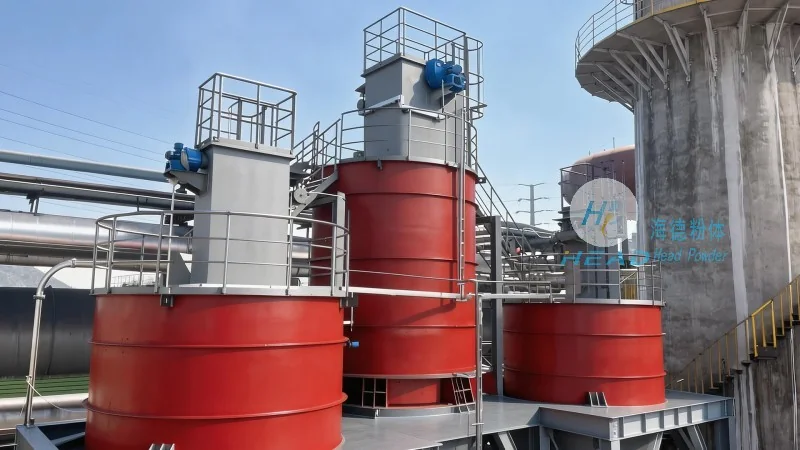
Key Structural Components of Graphene Pneumatic Conveying Systems
The design of a graphene pneumatic conveying system typically incorporates several critical components that work in concert to achieve efficient material handling. These include a hopper or feeder for material storage and initial feeding, a conveying line (often equipped with pressure vessels or ducts), and a receiver or discharge unit for material collection. The system may also feature control valves, filters, and pressure regulators to maintain consistent operation and protect equipment from dust or blockages. Each component is carefully selected to accommodate the unique properties of graphene, such as its high surface area and potential for agglomeration, ensuring that the system operates at peak efficiency.
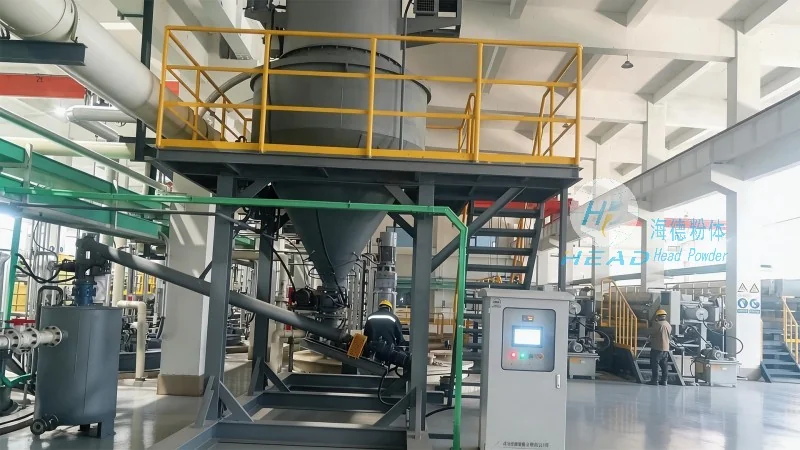
Working Principles of Graphene Pneumatic Conveying
The operation of a graphene pneumatic conveying system is based on the fundamental principle of pneumatic transport, where air is used to move material through a pipeline. In a typical setup, material is introduced into a hopper, and then drawn into the conveying line by a vacuum or pressure source. The air flow creates a low-pressure or high-pressure environment, depending on the system design, which propels the material forward. This method allows for the transport of materials over considerable distances without the need for mechanical components like belts or buckets, reducing wear and maintenance requirements. The system is particularly suited for handling fine, abrasive, or sensitive materials like graphene, where traditional mechanical conveyors might cause damage or contamination.
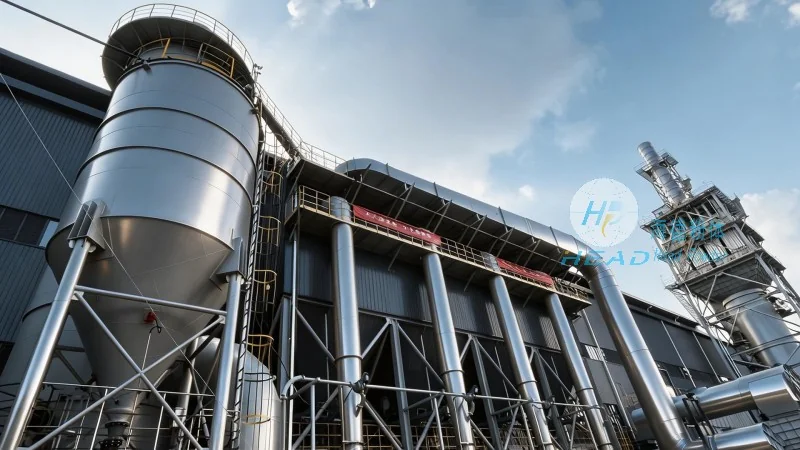
Applications and Benefits in Industrial Settings
Graphene pneumatic conveying systems find extensive use in industries where the handling of high-purity materials is essential. These systems are commonly employed in the production of graphene-based composites, coatings, and electronic components, where maintaining material integrity is paramount. The benefits of using such systems include improved material flow control, reduced product loss, and enhanced safety due to enclosed operation. Additionally, the systems are designed to minimize dust emissions and environmental impact, aligning with modern industrial standards for sustainability. By leveraging advanced engineering and material science, these systems provide a reliable solution for the efficient and safe transport of graphene and similar fine powders.
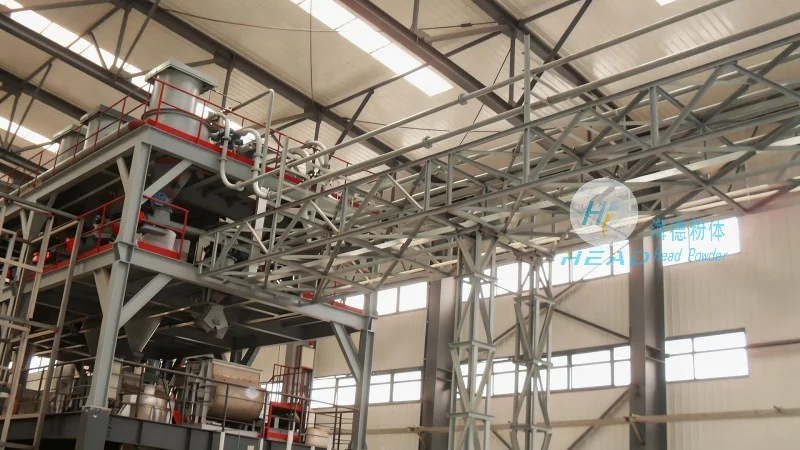
About Shandong HeadPowder Engineering Co., Ltd.
Shandong HeadPowder Engineering Co., Ltd., operating under the brand name headpowder, is a leading manufacturer specializing in the design and production of advanced material handling equipment. With a focus on innovation and quality, the company has established itself as a trusted partner in the industry, providing tailored solutions for various material transport needs. Headpowder's expertise lies in developing systems that meet the specific requirements of clients, ensuring optimal performance and durability. The company's headquarters is located in Shandong, China, where it leverages local resources and expertise to deliver cutting-edge technology to global markets.




