

What is Cement Additive Powder Conveying? And What Are the Design Principles?
Cement additive powder conveying is a critical process in the cement manufacturing industry, involving the efficient transportation of various powders used as additives to the main cement components. These additives, such as fly ash, slag, and limestone, are essential for enhancing the performance and reducing the cost of cement production. The design of a powder conveying system for cement additives requires careful consideration of several key factors to ensure optimal performance, reliability, and safety.
Understanding Cement Additive Powder Conveying
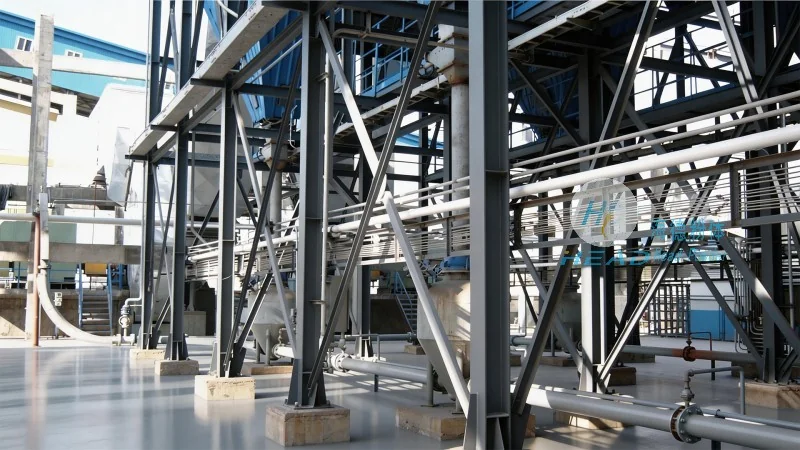
Cement additive powder conveying refers to the technology and equipment used to transport bulk powders, typically in the form of dry or semi-dry materials, from storage silos or processing units to the cement production line. The primary goal of this process is to deliver these additives in a controlled and consistent manner, ensuring they are mixed with the cement clinker at the correct proportions. This not only improves the quality of the final cement product but also contributes to energy savings and environmental benefits by utilizing alternative raw materials.
Key Components of a Cement Additive Powder Conveying System
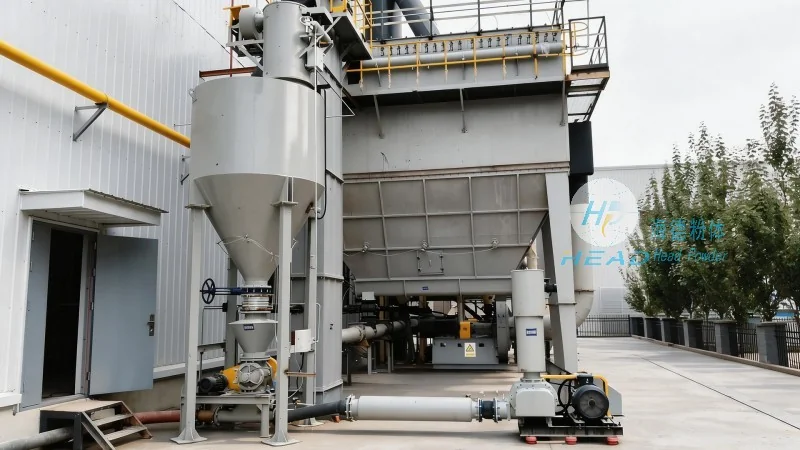
A typical cement additive powder conveying system consists of several interconnected components that work together to achieve efficient material handling. The main components include storage silos or hoppers for storing the additives, feeding devices like screw feeders or rotary valves to control the flow rate, conveying equipment such as pneumatic or mechanical systems, and control systems to monitor and regulate the entire process. Each component plays a crucial role in maintaining the integrity of the powder and ensuring smooth operation.
Design Principles for Cement Additive Powder Conveying
The design of a cement additive powder conveying system is based on several fundamental principles aimed at maximizing efficiency, minimizing downtime, and ensuring safety. One of the primary design principles is the selection of appropriate conveying equipment that matches the characteristics of the powder being transported. For example, pneumatic conveying systems are commonly used for fine powders like fly ash due to their ability to handle high volumes and maintain low pressure differentials. Mechanical conveying systems, such as belt conveyors or bucket elevators, are often used for bulkier materials like slag or limestone, where higher capacities and lower energy consumption are required.
Another critical design principle is the consideration of material properties, including particle size, density, and moisture content. These factors directly impact the flowability and abrasiveness of the powder, which in turn affect the choice of equipment and system configuration. For instance, highly abrasive materials may require special wear-resistant components to extend the lifespan of the conveying system. Additionally, the system design must account for the need to minimize dust generation and ensure proper dust collection and handling to comply with environmental regulations.
Control and Automation in Cement Additive Powder Conveying
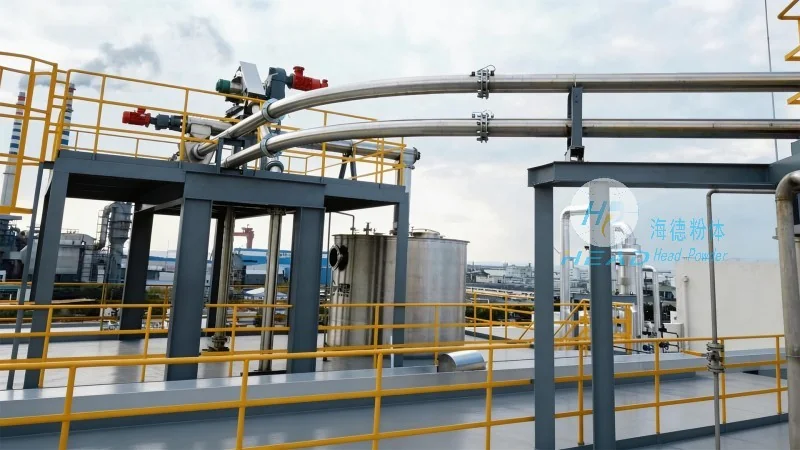
Modern cement additive powder conveying systems rely heavily on advanced control and automation technologies to optimize performance and reduce human intervention. The control system typically includes sensors and instrumentation to monitor key parameters such as flow rate, pressure, and temperature. These sensors provide real-time data that is used by the control unit to adjust the operation of the conveying equipment, ensuring that the additive is delivered at the exact rate required by the cement production process. Automation also enhances safety by preventing overfilling or underfilling of the conveying system, which could lead to equipment damage or product quality issues.
Benefits of an Efficient Cement Additive Powder Conveying System
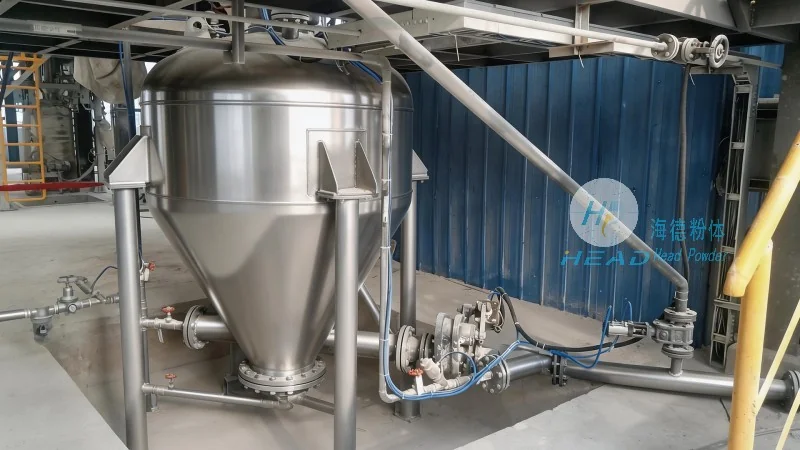
An efficiently designed cement additive powder conveying system offers several significant benefits for cement manufacturers. First, it improves the overall quality of the cement product by ensuring consistent mixing of additives, which can enhance strength, durability, and workability. Second, it reduces production costs by optimizing the use of alternative raw materials and minimizing energy consumption. Third, it enhances safety by minimizing the risk of dust explosions and ensuring proper handling of potentially hazardous materials. Finally, it improves operational efficiency by reducing downtime and maintenance requirements, leading to higher productivity and profitability.
About Shandong HeadPowder Engineering Co., Ltd.
Shandong HeadPowder Engineering Co., Ltd., commonly known as HeadPowder, is a leading provider of engineering solutions for the cement and powder handling industries. With a focus on innovation and customer satisfaction, HeadPowder specializes in designing and manufacturing high-quality powder conveying systems tailored to the specific needs of cement manufacturers. The company's headquarters is located in Shandong, China, and it serves clients worldwide with a commitment to delivering reliable and efficient solutions that meet the highest industry standards.