For industrial applications requiring efficient and reliable transport of calcined sand, the design of a pneumatic conveying system is critical. This article explores the key considerations and components involved in developing an effective calcined sand pneumatic conveying system, tailored for the needs of modern processing facilities.
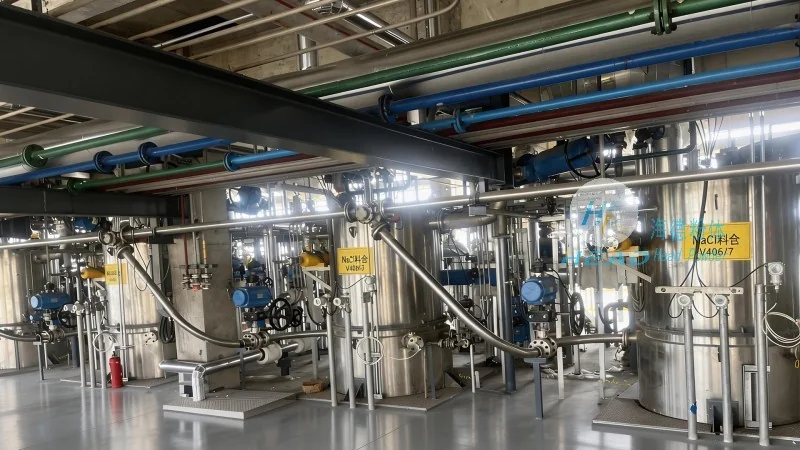
Overview of Pneumatic Conveying Systems
Pneumatic conveying systems utilize air or gas to transport bulk materials like calcined sand through a pipeline network. These systems offer advantages such as dust-free operation, reduced material degradation, and the ability to transport materials over long distances without the need for mechanical components like belts or buckets. The design of such a system involves careful selection of components, including the air source, material feeders, and pipeline configuration, to ensure optimal performance and efficiency.
Key Design Considerations for Calcined Sand Conveying
When designing a pneumatic conveying system for calcined sand, several factors must be considered to ensure reliable operation and minimal maintenance. The first is the material's physical properties, such as particle size, density, and flowability, which influence the choice of conveying velocity and system pressure. Calcined sand typically has a relatively high density and may exhibit cohesive behavior, requiring specialized feeding mechanisms to prevent blockages. Additionally, the system must be designed to handle potential dust generation, with appropriate filtration and dust collection measures integrated into the design.
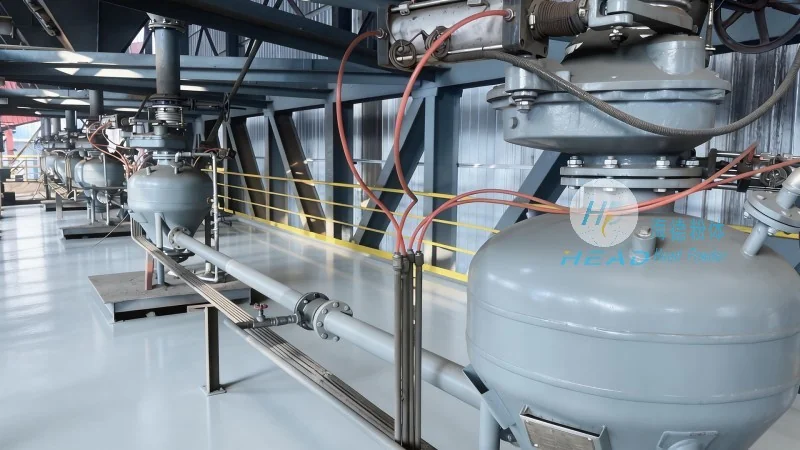
Components of a Calcined Sand Pneumatic Conveying System
The core components of a calcined sand pneumatic conveying system include the air compressor or blower, material feeder, conveying pipeline, and dust collection equipment. The air compressor provides the necessary pressure to move the material through the pipeline. The material feeder, often a rotary valve or screw feeder, ensures a consistent flow of calcined sand into the system, preventing surges or interruptions. The conveying pipeline is typically made of corrosion-resistant materials like stainless steel to withstand the abrasive nature of calcined sand. Finally, dust collection systems, such as cyclones or bag filters, are essential to maintain air quality and comply with environmental regulations.
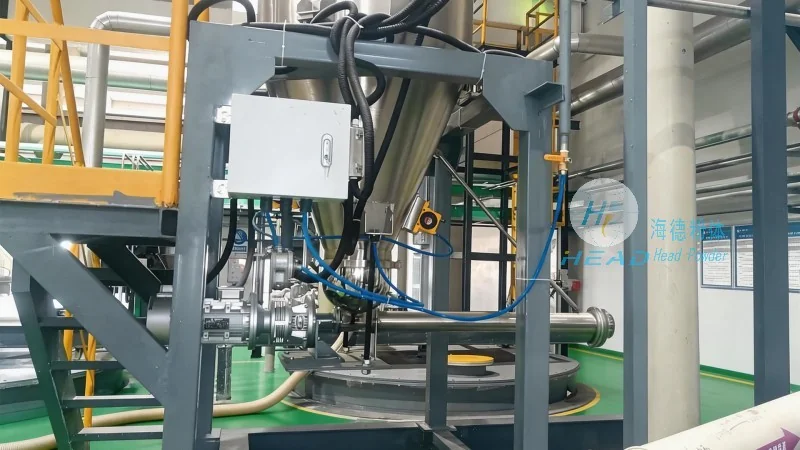
System Performance and Optimization
Optimizing the performance of a calcined sand pneumatic conveying system involves balancing pressure, velocity, and material flow rates. Excessive pressure can lead to increased energy consumption and potential wear on components, while insufficient pressure may result in material buildup or blockages. Proper system sizing, based on the material's characteristics and the required conveying distance, is crucial for achieving efficient operation. Regular maintenance and monitoring of system parameters, such as pressure drops and air flow rates, are also important to ensure long-term reliability.
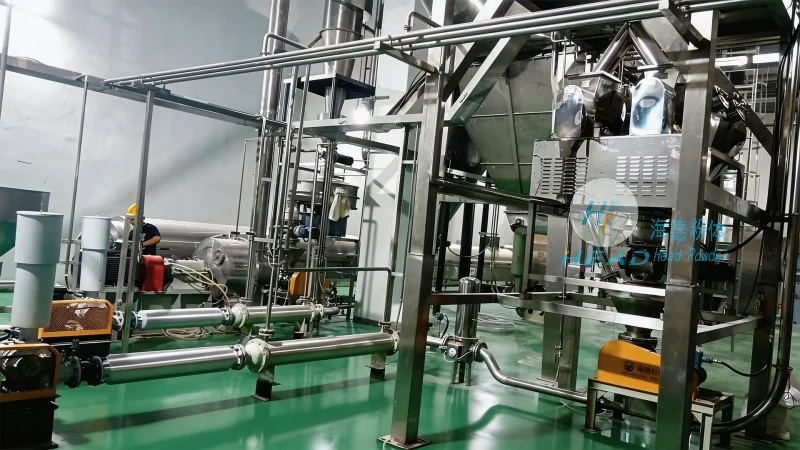
About HeadPowder Engineering
HeadPowder Engineering, a leading provider of industrial processing solutions, specializes in the design and implementation of pneumatic conveying systems for various bulk materials. With a focus on innovation and customer satisfaction, HeadPowder Engineering offers tailored solutions that meet the specific needs of clients in the cement, mining, and chemical industries. The company's expertise in material handling and system design ensures that its products are efficient, reliable, and cost-effective. HeadPowder Engineering is committed to delivering high-quality equipment and services, helping clients improve their operational efficiency and reduce downtime.
Contact Information
HeadPowder Engineering Co., Ltd. is located in Shandong, China, serving clients worldwide with its advanced pneumatic conveying systems. The company's headquarters is situated in the industrial hub of Shandong, providing easy access to major transportation networks and supporting its global customer base.




