Regenerated sand, a vital component in the foundry industry, necessitates efficient and reliable transportation systems to sustain production efficiency. The design of pneumatic conveying equipment for this application involves meticulous consideration of material properties, system performance, and operational requirements. This article delves into the key aspects of designing a pneumatic conveying system specifically for regenerated sand, highlighting the technical solutions and engineering principles that ensure optimal performance.
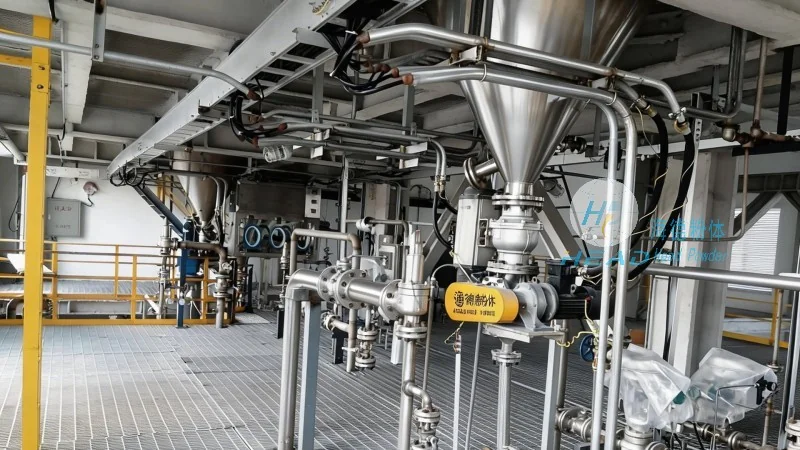
Company Overview: Shandong HeadPowder Engineering Co., Ltd.
HeadPowder, as a leading engineering firm headquartered in Shandong, China, specializes in the design and manufacturing of advanced material handling solutions. With a strong emphasis on innovation and customer-centric approaches, HeadPowder has established itself as a trusted partner in the foundry and casting sectors. The company's expertise in pneumatic conveying systems, particularly for abrasive and fine materials like regenerated sand, is built on decades of experience and a commitment to delivering high-quality, durable equipment.
Key Design Considerations for Regenerated Sand Pneumatic Conveying
The successful design of a pneumatic conveying system for regenerated sand hinges on several critical factors. First, the material's physical characteristics—including particle size distribution, density, and moisture content—must be thoroughly analyzed. These properties directly impact the system's air velocity requirements, pressure drop, and overall energy consumption. For instance, regenerated sand typically comprises fine particles with varying sizes, which requires a conveying system capable of handling both dilute and dense phase flows to optimize efficiency and minimize wear on components.
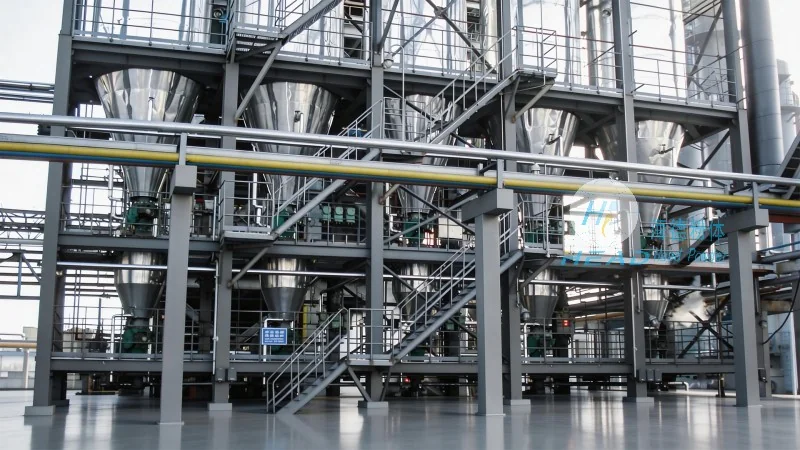
Second, the system's layout and configuration are crucial. The design must account for the entire material flow path, from the storage hopper to the discharge point, ensuring minimal pressure losses and efficient material transfer. HeadPowder engineers utilize advanced computational fluid dynamics (CFD) and fluid mechanics principles to model the flow behavior and optimize the system's design. This approach allows for the selection of appropriate components, such as blowers, ducts, and cyclones, tailored to the specific needs of the application.
Components and Technology in Regenerated Sand Pneumatic Conveying Systems
A pneumatic conveying system for regenerated sand typically comprises several key components. The primary driver is a high-pressure blower or compressor that generates the necessary airflow to move the material. The choice of blower type—whether positive displacement or centrifugal—depends on the system's operating conditions and material characteristics. For regenerated sand, which can be abrasive, the selection of wear-resistant materials for components like ducts, elbows, and valves is essential to extend the system's service life and reduce maintenance costs.
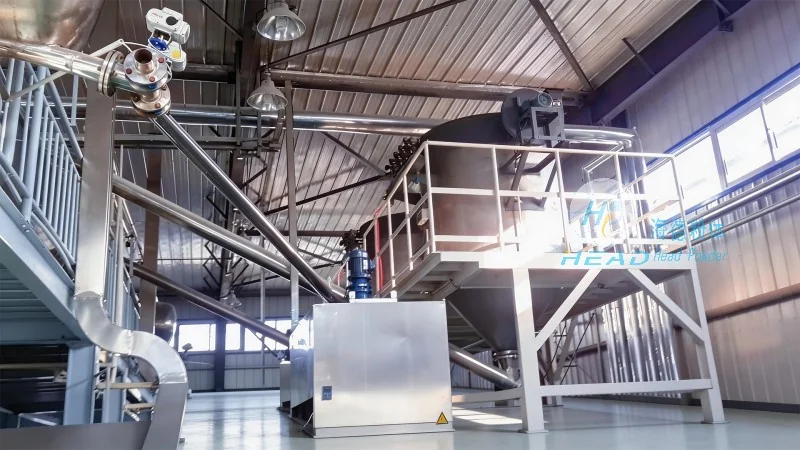
The conveying line itself is designed with smooth, rounded transitions to minimize pressure drop and prevent material buildup. Cyclones or filters are often incorporated at the discharge end to separate the sand from the air stream, ensuring clean material delivery and proper air filtration. HeadPowder's systems are equipped with advanced control systems that monitor pressure, flow rate, and other parameters in real-time, allowing for automated operation and quick response to changes in material conditions.
Benefits and Applications of Regenerated Sand Pneumatic Conveying
The adoption of a well-designed pneumatic conveying system for regenerated sand offers numerous benefits to foundry operations. Firstly, it enhances production efficiency by enabling continuous and automated material transfer, reducing downtime associated with manual handling. Secondly, it improves material quality by minimizing contamination and ensuring consistent particle size distribution. Thirdly, the system's compact design and reduced space requirements make it suitable for both new installations and retrofitting existing foundries.
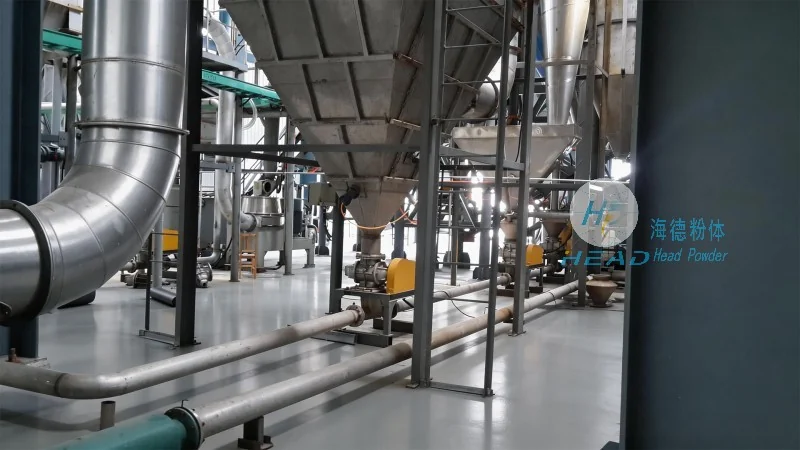
HeadPowder's regenerated sand pneumatic conveying systems are widely used in various casting processes, including sand molding, core making, and foundry sand recycling. The systems are adaptable to different production scales, from small-scale foundries to large industrial facilities, providing scalable solutions that meet the evolving needs of the industry.
Conclusion and Company Commitment
In conclusion, the design of a pneumatic conveying system for regenerated sand is a complex yet essential process that requires a deep understanding of material science, fluid dynamics, and engineering principles. Shandong HeadPowder Engineering Co., Ltd. leverages its expertise and innovative approach to deliver high-performance, reliable systems that meet the stringent demands of modern foundry operations. By focusing on durability, efficiency, and customer satisfaction, HeadPowder continues to be a leader in providing advanced material handling solutions for the foundry industry.




