

Working Principle and Classification Application of Steel Sand Pneumatic Conveying
Steel sand, a critical material in numerous industrial processes, often requires efficient and reliable transportation methods. Pneumatic conveying, a technology that utilizes air or gas to move particulate materials, has become a preferred solution for steel sand handling. This article provides an introduction to the working principle and classification of steel sand pneumatic conveying systems, along with practical applications in industrial settings.
Working Principle of Steel Sand Pneumatic Conveying
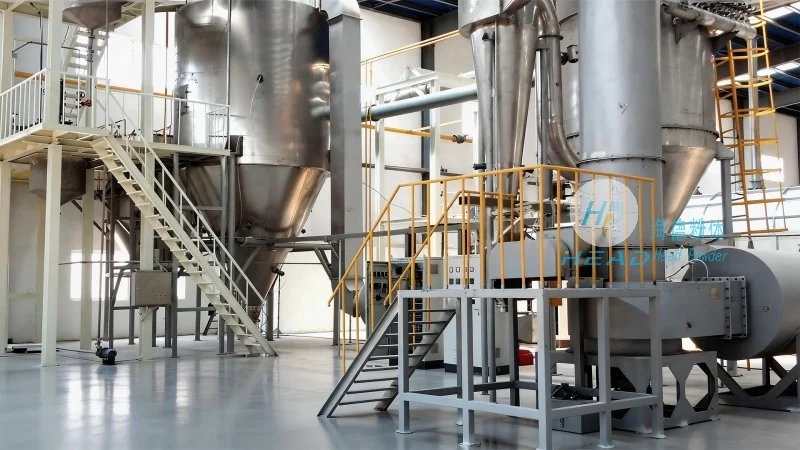
The core of steel sand pneumatic conveying lies in the interaction between the material and the conveying medium, typically air or a compressed gas. The process initiates with the feeding of steel sand into a hopper or feeder, where it is then introduced into a pipeline. A fan or blower generates a flow of air within the pipeline, creating a pressure differential that propels the steel sand particles forward. The conveying system comprises several key components: a feed device to introduce the material, a pipeline network to transport it, a separation unit to separate the material from the air, and a collection device to store the conveyed steel sand. The efficiency of the system depends on factors such as the particle size, density, and moisture content of the steel sand, as well as the pressure and flow rate of the conveying medium.
Classification of Pneumatic Conveying Systems
Pneumatic conveying systems for steel sand can be broadly classified into several types based on their operational principles and design. The most common classifications include:
1. Suction Type (Vacuum Conveying): This system operates by creating a negative pressure (vacuum) in the pipeline, drawing steel sand from the source location into the conveying line. Suction systems are ideal for short-distance, low-pressure applications where the material is to be transported from a lower elevation or a confined space. They are particularly suitable for handling fine or dusty steel sand, as the vacuum helps to capture and transport particles without the need for high pressure.
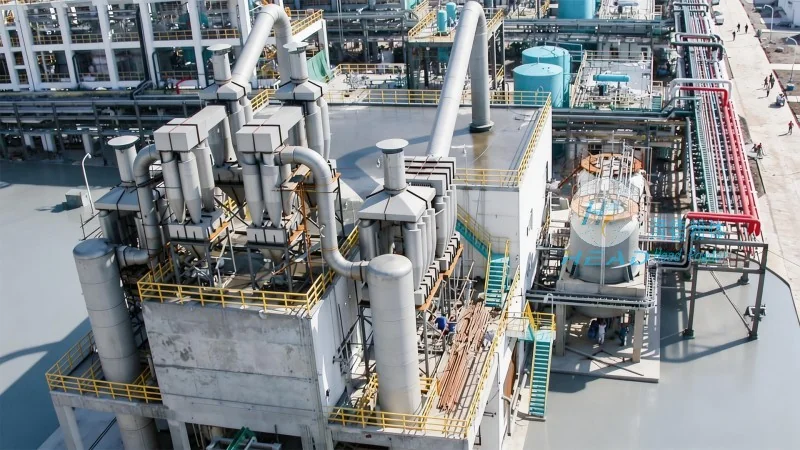
2. Compression Type (Pressure Conveying): In contrast to suction systems, compression systems generate positive pressure within the pipeline by using a blower or compressor. The steel sand is pushed through the pipeline from a higher elevation or a central location to the destination. Pressure systems are more suitable for longer distances and higher material loads, as they can handle larger particle sizes and higher flow rates. They are commonly used in industrial settings where the material needs to be transported over significant distances or to multiple destinations.
3. Mixed Type (Combined Conveying): Mixed systems combine elements of both suction and compression types. They use a combination of vacuum and pressure to transport steel sand, often starting with a suction phase to draw material from the source and then transitioning to a pressure phase to move it to the destination. This approach allows for more flexible and efficient handling of steel sand, especially in complex layouts or when dealing with varying material characteristics.
Application Scenarios of Steel Sand Pneumatic Conveying
Steel sand pneumatic conveying systems find extensive applications across various industries due to their ability to handle abrasive and heavy materials efficiently. Some of the key application scenarios include:
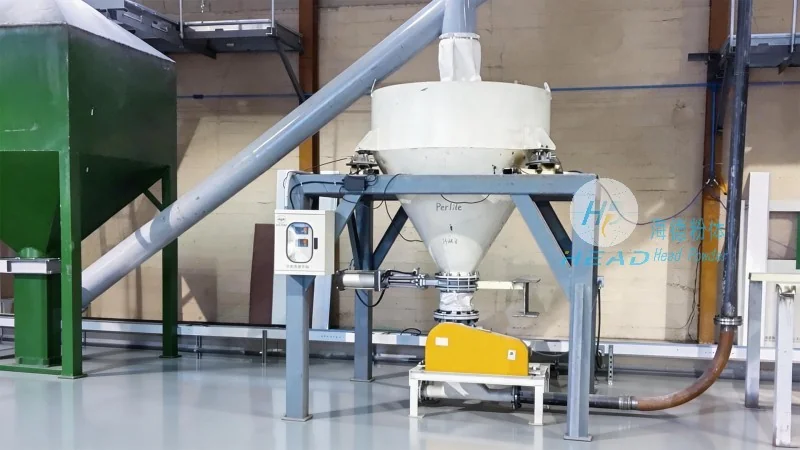
1. Foundry and Casting Industries: In foundries, steel sand is used as a core material or as a molding medium. Pneumatic conveying allows for the precise and dust-free transport of steel sand from storage silos to molding machines, ensuring consistent quality and reducing operational downtime. The system helps maintain a clean working environment and minimizes material waste.
2. Metallurgical and Steel Processing: During the processing of steel, steel sand may be used as a refractory material or for surface treatment. Pneumatic conveying systems are employed to transport steel sand between different processing stages, such as from a grinding station to a mixing unit or from a storage area to a furnace. The technology ensures that the material is delivered in a controlled manner, maintaining the integrity of the steel sand and improving overall production efficiency.
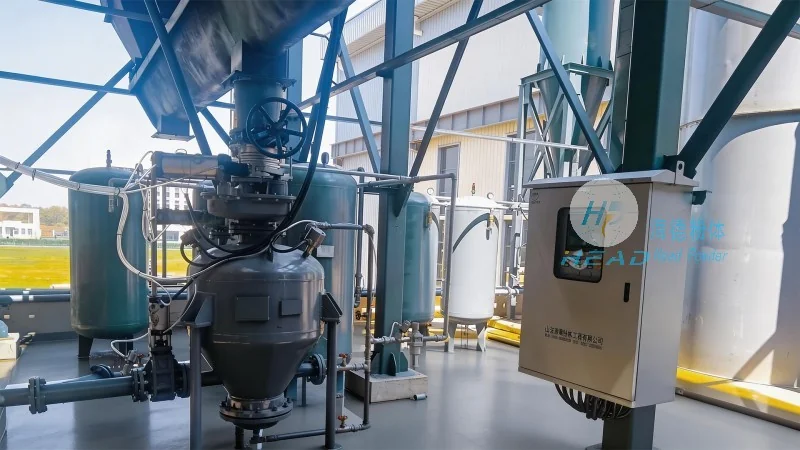
3. Construction and Infrastructure Projects: In construction, steel sand is sometimes used in concrete mixes or as a component in road construction materials. Pneumatic conveying facilitates the transport of steel sand from bulk storage to construction sites, especially in areas with limited access or where traditional conveyor belts are impractical. The system provides a flexible and cost-effective solution for handling large volumes of steel sand over short to medium distances.
4. Recycling and Waste Management: In industrial recycling processes, steel sand may be generated as a byproduct from metal processing or demolition activities. Pneumatic conveying systems are used to collect and transport this steel sand to recycling facilities, where it can be reprocessed or reused. The technology helps in maintaining a clean and organized recycling operation, reducing the risk of material contamination and improving the overall efficiency of the recycling process.
Company Profile: Shandong HeadPowder Engineering Co., Ltd.
HeadPowder, the brand name of Shandong HeadPowder Engineering Co., Ltd., is a leading provider of pneumatic conveying solutions tailored for steel sand and other industrial materials. With a strong presence in China, particularly in Shandong province, the company specializes in designing, manufacturing, and installing customized pneumatic conveying systems that meet the specific needs of its clients. The company's expertise lies in understanding the unique properties of steel sand and other abrasive materials, enabling the development of efficient and durable conveying systems. HeadPowder's commitment to quality and innovation has made it a trusted partner for industries relying on reliable steel sand transportation solutions.