

Working Principle and Features of Pneumatic Conveying Equipment for Sintering Dust and Ash Materials
For industrial applications involving sintering processes, the efficient handling and transportation of dust and ash materials are critical to maintaining operational efficiency and environmental compliance. Pneumatic conveying equipment designed specifically for sintering dust and ash materials offers a reliable solution, combining advanced technology with robust engineering to meet the demands of modern industrial operations. This article explores the working principle and key features of such equipment, highlighting its role in optimizing material flow and enhancing overall process performance.
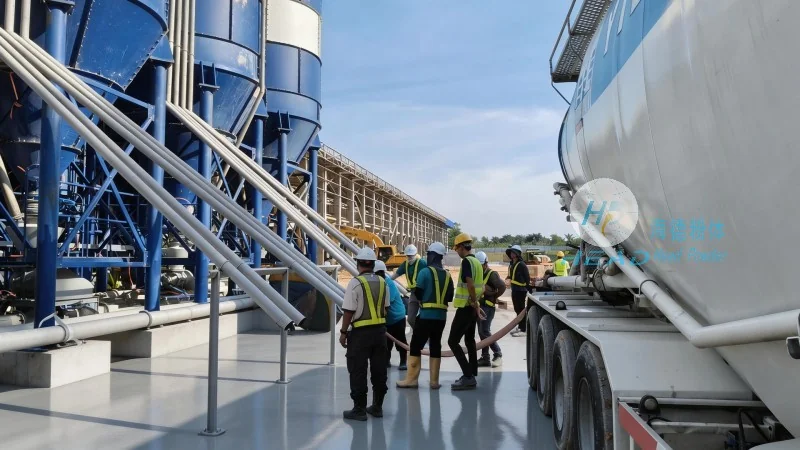
Introduction to Sintering Dust and Ash Pneumatic Conveying Equipment
Sintering is a crucial step in the production of iron ore and other metal powders, where raw materials are heated to a temperature below their melting point to fuse particles together. During this process, significant amounts of dust and ash are generated, which must be collected and transported to designated disposal or recycling facilities. Traditional methods of handling these materials, such as manual shoveling or bucket elevators, are often inefficient, labor-intensive, and pose health and safety risks. Pneumatic conveying systems provide a more automated and controlled approach, ensuring that sintering dust and ash are moved safely and effectively within the plant.
Company Overview: Shandong HeadPowder Engineering Co., Ltd.
HeadPowder, a leading manufacturer of industrial material handling equipment, specializes in the design, development, and production of pneumatic conveying systems tailored to the unique needs of sintering and other high-temperature processes. With a strong commitment to quality and innovation, HeadPowder has established itself as a trusted partner for industries seeking reliable solutions for dust and ash management. The company’s headquarters is located in Shandong, China, where its state-of-the-art facilities and experienced engineering team work to deliver cutting-edge equipment that meets international standards and customer expectations.
The Working Principle of Pneumatic Conveying Equipment for Sintering Dust and Ash
Pneumatic conveying systems operate by using compressed air or gas to transport bulk materials through a network of pipes. In the case of sintering dust and ash, the equipment typically employs a positive displacement or pressure-assisted design to ensure consistent and reliable material flow. The process begins with the material being fed into a hopper or silo, where it is then drawn into the conveying line by the force of the moving air. The air, often supplied by a high-pressure blower or compressor, creates a low-pressure zone within the pipe, which pulls the material along with it. This method allows for the transportation of materials over long distances and at varying heights, without the need for mechanical components like belts or buckets that can be prone to wear and maintenance issues.
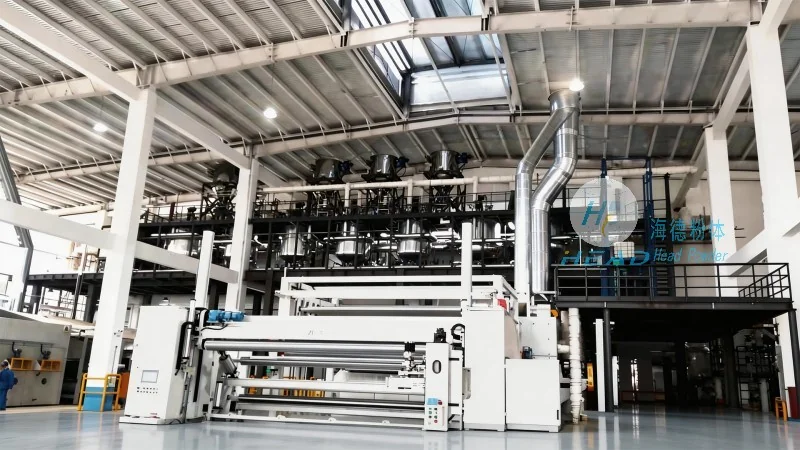
Key components of the system include the material feeder, which controls the flow rate of the dust and ash into the conveying line; the air compressor or blower, which provides the necessary pressure to move the material; the conveying pipes, which are typically made of corrosion-resistant materials such as stainless steel or polyethylene to withstand the abrasive nature of sintering dust; and the discharge unit, which delivers the material to its final destination. The system may also include filters and dust collectors to ensure that any airborne particles are captured and returned to the process or disposed of properly, maintaining air quality and compliance with environmental regulations.
Key Features and Advantages of Sintering Dust and Ash Pneumatic Conveying Equipment
HeadPowder’s pneumatic conveying equipment for sintering dust and ash is designed with several key features that enhance its performance and reliability. One of the primary advantages is its ability to handle abrasive and fine materials without causing excessive wear on the system components. The use of high-quality, corrosion-resistant materials in the construction of the pipes, hoppers, and other parts ensures a long service life, reducing maintenance costs and downtime. Additionally, the equipment is equipped with advanced control systems that allow for precise regulation of the material flow rate and air pressure, ensuring optimal performance under varying operating conditions.
Another important feature is the system’s flexibility in terms of layout and installation. Pneumatic conveying lines can be easily configured to follow the existing plant layout, minimizing the need for extensive civil works and reducing installation time. The equipment is also designed to be compact and space-efficient, making it suitable for facilities with limited space or where space optimization is a priority. Furthermore, the system’s ability to operate continuously without the need for frequent stops or maintenance checks contributes to increased productivity and reduced operational costs.
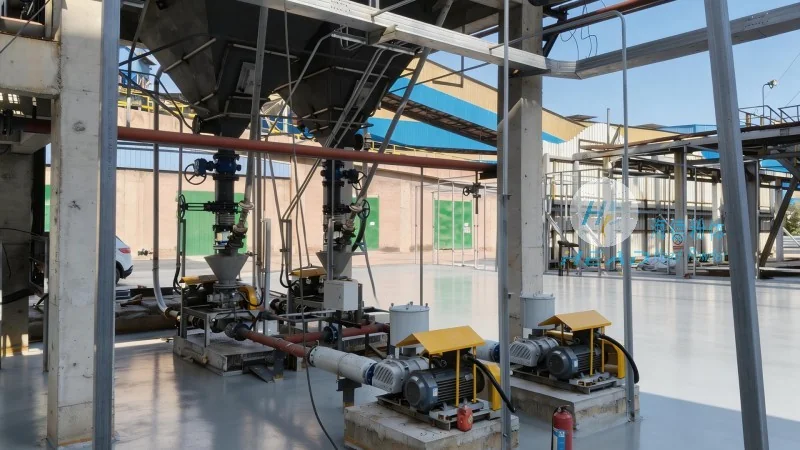
Environmental considerations are also a critical aspect of the equipment’s design. The inclusion of dust collection and filtration systems ensures that the air discharged from the plant is clean and meets regulatory standards, reducing the impact on the surrounding environment. This not only helps in maintaining compliance with environmental laws but also improves the overall working conditions for plant personnel by minimizing exposure to airborne dust and particles.
Conclusion and Application Scope
Pneumatic conveying equipment for sintering dust and ash materials represents a significant advancement in industrial material handling, offering a safe, efficient, and environmentally friendly solution for the transportation of these materials. By leveraging the principles of air-based transport, such systems eliminate the need for manual handling and mechanical components, reducing labor costs and improving operational safety. HeadPowder’s expertise in designing and manufacturing these systems ensures that customers receive equipment that is tailored to their specific process requirements, providing reliable performance and long-term value.
Whether used in large-scale sintering plants or smaller industrial facilities, the pneumatic conveying equipment from HeadPowder is designed to meet the demands of modern industry. Its combination of robust construction, advanced control systems, and environmental compliance features makes it an ideal choice for businesses seeking to optimize their material handling processes and enhance overall operational efficiency. With a strong presence in Shandong, China, HeadPowder continues to provide high-quality solutions that support the growth and sustainability of industrial operations worldwide.