

Principles and Classification Applications of Sugar Conveying by Pneumatic System
Understanding the mechanisms and applications of pneumatic conveying for sugar is crucial in the industrial processing sector. This article provides an in-depth exploration of the fundamental principles governing sugar transport via pneumatic systems, alongside a classification of the various methods used in practice. The information is presented by Shandong HeadPowder Engineering Co., Ltd., a leading provider of engineering solutions in China, with operations based in Shandong Province.
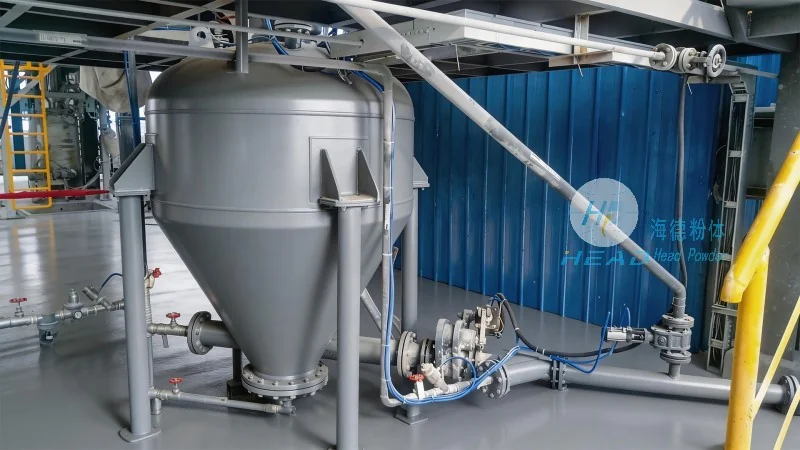
Overview of Pneumatic Conveying Systems for Sugar
Pneumatic conveying, or air conveying, is a method of transporting bulk materials like sugar through a pipeline using air pressure. This technology offers several advantages over traditional mechanical conveying, including reduced equipment wear, lower energy consumption in certain applications, and the ability to handle materials that are sensitive to mechanical stress. The core principle involves creating a pressure differential that propels the sugar particles through the system, often with the assistance of air or gas as the conveying medium.
Key Working Principles of Sugar Pneumatic Conveying
The operation of a pneumatic conveying system for sugar typically involves several key stages. First, the sugar is fed into the system, often from a hopper or storage silo. Then, air is introduced into the system, either by creating a vacuum (in suction systems) or by pressurizing the line (in pressure systems). The air and sugar mixture travels through the pipeline, with the air providing the necessary force to move the sugar particles. The system may include components such as rotary valves, filters, and dust collectors to ensure efficient and clean operation. The design of the system must consider factors like sugar particle size, moisture content, and the required conveying distance to optimize performance.
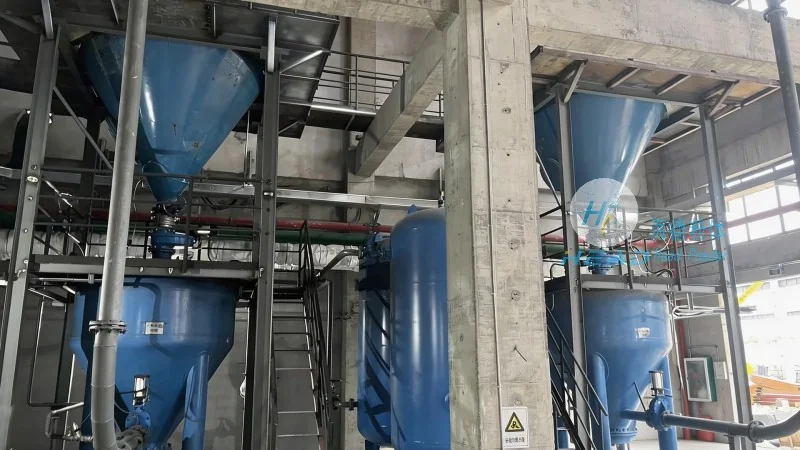
Classification of Pneumatic Conveying Methods for Sugar
Pneumatic conveying systems for sugar are commonly classified into two main categories: pressure and suction systems. Pressure systems operate by forcing air or gas into the pipeline, creating a positive pressure that moves the material. These systems are suitable for longer conveying distances and can handle larger volumes of sugar. Suction systems, on the other hand, create a vacuum in the pipeline, drawing the sugar particles in from the source. Suction systems are often used for shorter distances and in applications where the sugar needs to be transferred from a lower elevation to a higher one.
Applications of Different Pneumatic Conveying Systems in Sugar Processing
Each type of pneumatic conveying system has specific applications in the sugar industry. Pressure systems are widely used in sugar refineries for transporting raw sugar from storage to processing units, as well as for moving finished products to packaging areas. They are also employed in sugar mills for conveying sugar cane or beet pulp. Suction systems are commonly used in sugar processing plants for transferring sugar from processing equipment to storage silos, or for moving sugar from lower levels to higher processing stages. Additionally, hybrid systems that combine elements of both pressure and suction may be used in complex sugar processing facilities to achieve optimal material handling.
Factors Influencing the Choice of Pneumatic Conveying System for Sugar
The selection of a pneumatic conveying system for sugar is influenced by several factors, including the physical properties of the sugar, the distance and elevation changes involved, and the overall production requirements. For example, fine-grained sugar may require a system with finer filtration to prevent clogging, while coarse sugar might need a system with larger particle handling capabilities. The conveying distance is another critical factor; longer distances typically necessitate pressure systems with higher air pressure or more powerful pumps. Elevation changes, such as moving sugar from a lower warehouse to an upper processing area, may require suction systems or a combination of both to achieve the desired vertical movement. Additionally, the capacity and speed of the system must align with the production throughput of the sugar processing facility.
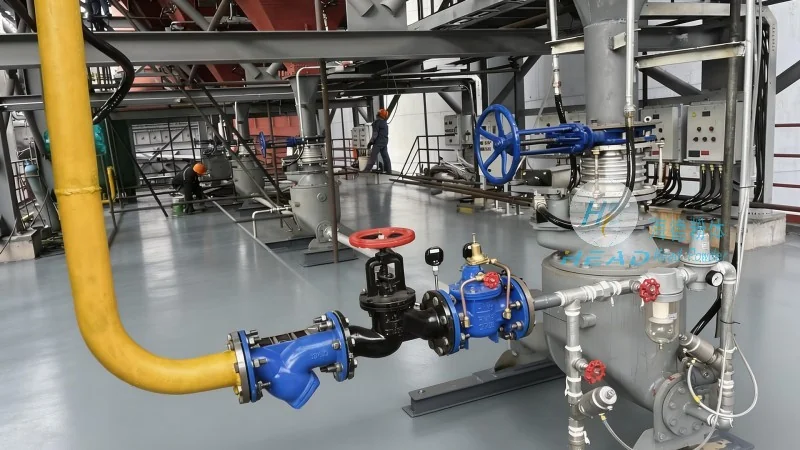
Advantages and Considerations of Pneumatic Conveying for Sugar
Pneumatic conveying offers several advantages for sugar handling, including reduced equipment wear compared to mechanical systems, lower maintenance costs, and the ability to handle sugar that is sensitive to mechanical stress. However, there are also considerations to keep in mind. For instance, the system requires a reliable air supply, which may involve additional energy consumption and maintenance of air compressors or vacuum pumps. The design of the system must also account for the potential for sugar to agglomerate or clog the pipeline, especially if the sugar is moist or has high moisture content. Proper filtration and cleaning procedures are essential to maintain system efficiency and prevent material buildup.
Conclusion
In conclusion, pneumatic conveying is a vital technology in the sugar industry, enabling efficient and reliable transport of sugar through various processing stages. The principles and classification of pneumatic systems, as outlined in this article, provide a foundation for understanding how these systems operate and how they can be applied in different sugar processing scenarios. By considering the specific requirements of a sugar facility, such as material properties, conveying distance, and production capacity, the appropriate pneumatic conveying system can be selected to optimize performance and ensure smooth operation. Shandong HeadPowder Engineering Co., Ltd. specializes in providing tailored engineering solutions for sugar handling, including the design and implementation of pneumatic conveying systems that meet the unique needs of each client.