

Preventing Dust Leakage in Pneumatic Conveying Systems for Sugar Transport
When it comes to transporting sugar, especially in bulk quantities, the choice of equipment plays a critical role in maintaining efficiency, safety, and product integrity. Pneumatic conveying systems have emerged as a preferred solution for many industries due to their ability to handle fine powders like sugar with minimal manual intervention. However, a common challenge associated with these systems is the risk of dust leakage, which can lead to product loss, environmental contamination, and operational inefficiencies. This article explores effective strategies to prevent dust leakage in pneumatic conveying systems specifically designed for sugar transport, while highlighting the expertise of Shandong HeadPowder Engineering Co., Ltd. in providing reliable solutions for the industry.
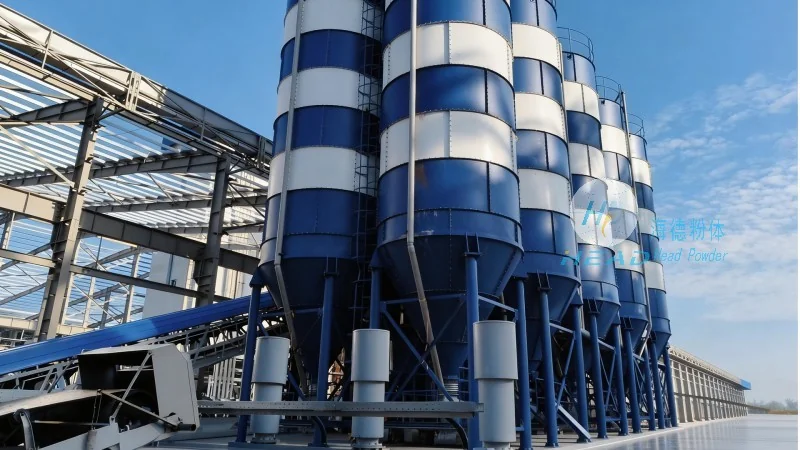
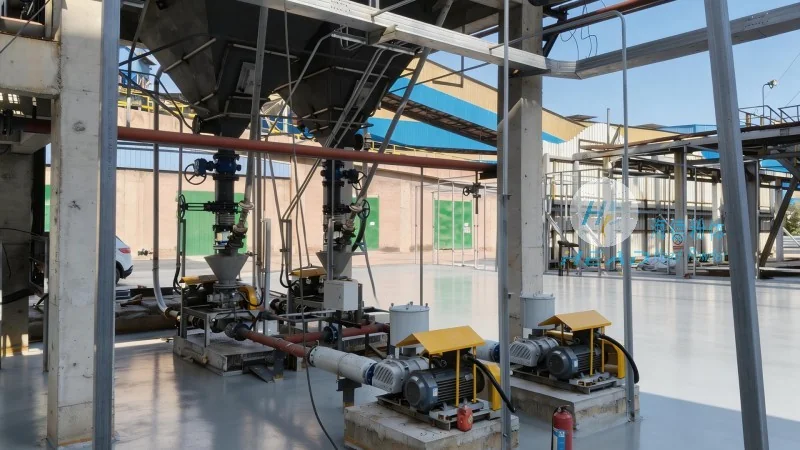
Understanding the Challenges of Sugar Transport with Pneumatic Systems
Sugar, particularly in its powdered form, is a fine and hygroscopic material that requires careful handling to avoid caking, agglomeration, and dust generation. Pneumatic conveying systems work by using air pressure to move the material through a pipeline, which can be efficient but also prone to leaks if not properly designed or maintained. The primary challenges in preventing dust leakage include maintaining airtight seals, managing pressure differentials, and ensuring the material flow is consistent without causing pressure spikes that could lead to leaks at joints, valves, or transfer points. Additionally, the abrasive nature of sugar particles can wear down components over time, further increasing the risk of leakage. These factors make it essential to implement robust preventive measures and regular maintenance protocols to keep dust leakage at bay.
Key Strategies to Prevent Dust Leakage in Pneumatic Conveying for Sugar
Several key strategies are employed by industry experts to mitigate dust leakage in pneumatic conveying systems for sugar. First, the design of the system itself is crucial. High-quality, airtight components such as flexible hoses with reinforced seals, robust valves, and well-fitted pipe connections are essential. These components are often made from materials that resist wear and tear from sugar particles, ensuring long-term durability. Second, proper sealing techniques are vital. Using double-seal or multi-layered seals at joints and transfer points can significantly reduce the risk of air and sugar escaping. For example, using PTFE (polytetrafluoroethylene) or other high-performance sealing materials that are compatible with sugar can enhance the system's airtightness. Third, maintaining consistent air pressure and flow rates is important. Fluctuations in pressure can cause the system to operate inefficiently, leading to increased leakage. Implementing pressure regulation systems and flow meters helps maintain optimal conditions, preventing sudden pressure drops or spikes that might compromise the system's integrity. Fourth, regular maintenance and inspection are non-negotiable. Routine checks for worn seals, damaged pipes, or loose fittings can identify issues before they escalate into significant dust leakage problems. This proactive approach ensures that the system remains in optimal condition, reducing the likelihood of leaks and extending its operational life.
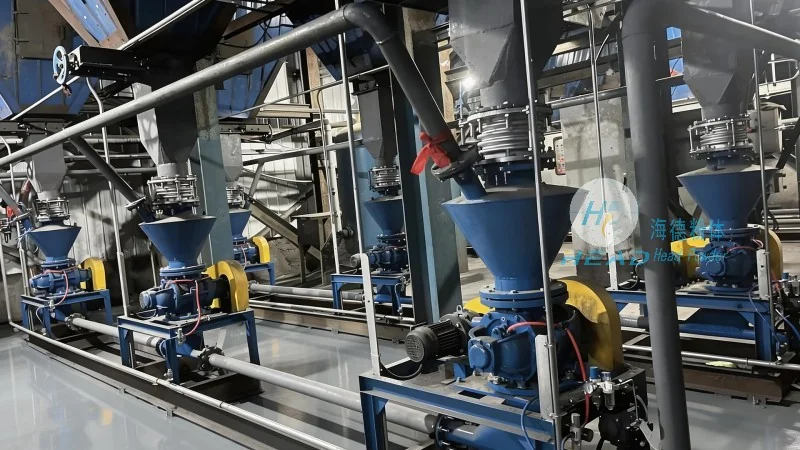
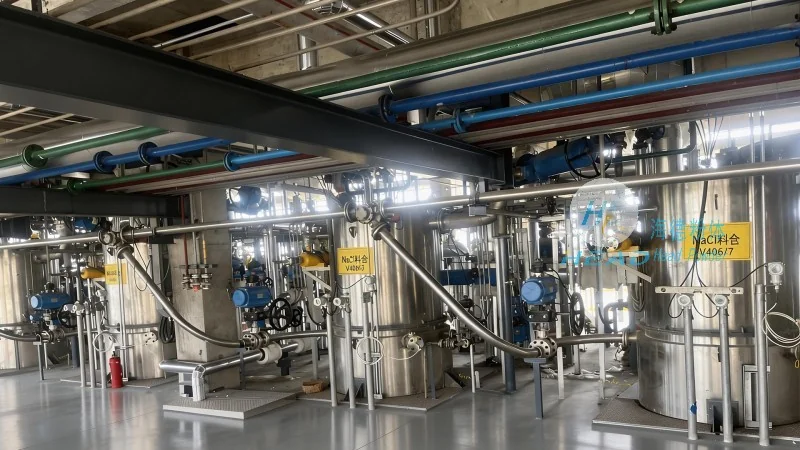
Role of Shandong HeadPowder Engineering Co., Ltd. in Providing Solutions
Shandong HeadPowder Engineering Co., Ltd., operating under the brand name headpowder, specializes in the design, manufacturing, and installation of advanced pneumatic conveying systems tailored for the sugar industry. With years of experience in handling fine powders, the company understands the unique challenges associated with sugar transport and has developed innovative solutions to prevent dust leakage. Their expertise lies in customizing systems to meet specific client requirements, ensuring that each installation is optimized for the type and quantity of sugar being transported. The company employs a team of skilled engineers and technicians who are well-versed in the latest technologies and best practices in pneumatic conveying. They work closely with clients to assess their operational needs, identify potential risks, and implement tailored solutions that address dust leakage concerns effectively. By leveraging their deep understanding of the industry and commitment to quality, headpowder provides reliable systems that not only prevent dust leakage but also enhance overall operational efficiency and product quality. The company's headquarters are located in Shandong, China, where they maintain state-of-the-art facilities for research, development, and production, ensuring that their products meet the highest standards of performance and durability.