For industries dealing with glass beads, efficient and reliable material handling is crucial. Pneumatic conveying systems offer a versatile solution for transporting glass beads from one location to another. Shandong HeadPowder Engineering Co., Ltd., a leading provider in this field, offers several effective solutions tailored to different operational needs. This article explores the key approaches for pneumatic conveying of glass beads, highlighting the technical aspects and practical applications.
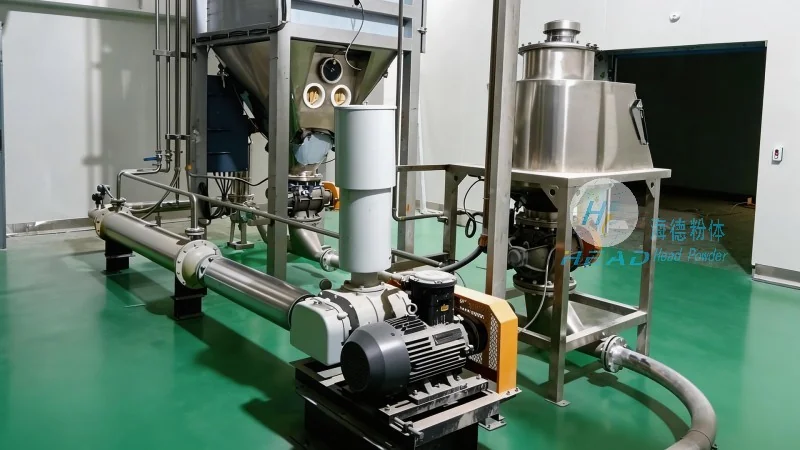
Understanding Pneumatic Conveying Systems
Pneumatic conveying involves the use of air pressure to move particulate materials like glass beads through a pipeline. The primary goal is to achieve a smooth, continuous flow while minimizing material degradation and system wear. There are two main types of pneumatic conveying: pressure and vacuum systems. Each type has distinct advantages and is suitable for different scenarios.
Option 1: Dilute Phase Pneumatic Conveying
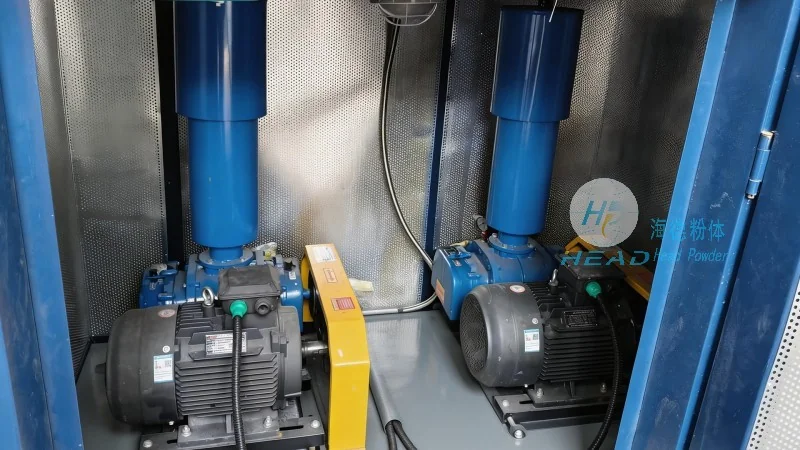
Dilute phase systems are commonly used for long-distance transport of glass beads. In this method, the material is suspended in a high-velocity air stream, allowing it to travel through the pipeline with minimal pressure drop. This approach is ideal for applications requiring high throughput and relatively long transport distances. The system typically consists of a blower, a hopper for material feeding, and a receiver at the destination. The air velocity is maintained above the particle's terminal velocity to prevent settling. Shandong HeadPowder Engineering Co., Ltd. specializes in designing dilute phase systems that optimize air flow and particle suspension, ensuring efficient and cost-effective glass bead transport.
Option 2: Dense Phase Pneumatic Conveying
Dense phase systems are preferred when handling abrasive or delicate glass beads that require gentler transport. Unlike dilute phase, dense phase conveying moves material in a slurry-like state, reducing particle impact and friction. This method is particularly suitable for short to medium distances and applications where product integrity is paramount. The system uses lower air velocities and higher material concentrations, resulting in a slower but more controlled flow. Shandong HeadPowder Engineering Co., Ltd. offers dense phase solutions that protect glass beads from damage, making them ideal for high-value applications.
Option 3: Hybrid Pneumatic Conveying Systems
Hybrid systems combine elements of both dilute and dense phase technologies to address specific operational challenges. These systems are designed to handle varying material characteristics and transport requirements. For instance, a hybrid system might use a dilute phase for the initial transport segment and then transition to a dense phase for the final delivery. This flexibility allows for optimized energy consumption and material handling efficiency. Shandong HeadPowder Engineering Co., Ltd. provides customized hybrid solutions that adapt to the unique needs of each client, ensuring optimal performance and cost-effectiveness.
Key Considerations for Glass Bead Pneumatic Conveying
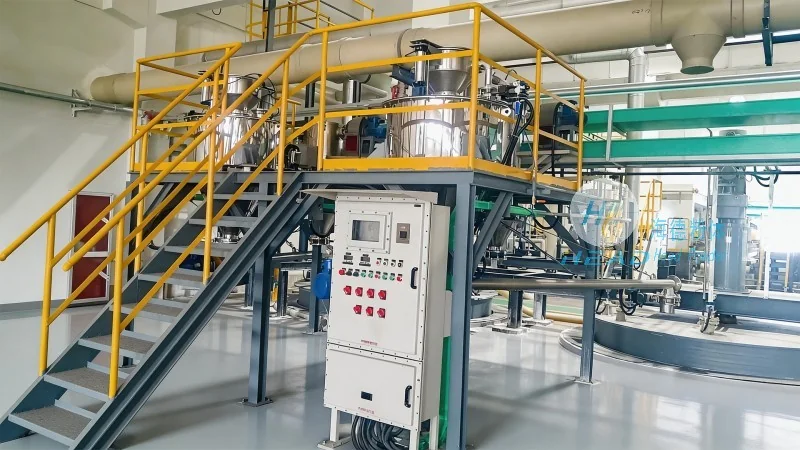
When implementing a pneumatic conveying system for glass beads, several factors must be considered to ensure successful operation. First, the particle size and density of the glass beads influence the system design. Smaller or lighter beads may require higher air velocities, while larger or heavier beads need more robust equipment. Second, the distance and elevation changes between the source and destination affect the system's pressure requirements. Proper sizing of the blower and pipeline is essential to maintain adequate pressure throughout the conveying process. Third, material handling equipment such as hoppers and receivers must be designed to prevent clogging and ensure smooth material flow. Shandong HeadPowder Engineering Co., Ltd. conducts thorough assessments of these factors to develop tailored solutions that meet the specific demands of each project.
Benefits of Choosing Shandong HeadPowder Engineering Co., Ltd.
Shandong HeadPowder Engineering Co., Ltd. stands out in the industry for its expertise in designing and implementing pneumatic conveying systems for glass beads. The company's team of engineers has extensive experience in material handling and process optimization, ensuring that each solution is tailored to the client's unique requirements. By leveraging advanced technology and rigorous testing, HeadPowder delivers systems that offer high efficiency, low maintenance, and long-term reliability. The company's commitment to quality and customer satisfaction has made it a trusted partner for businesses seeking reliable glass bead transport solutions. Whether it's a dilute phase, dense phase, or hybrid system, HeadPowder provides comprehensive support from design to installation and maintenance, ensuring that clients achieve their material handling goals effectively.




