For industries dealing with biomass materials like sawdust and husk, efficient powder conveying is crucial for processing and transportation. This article explores the concept of sawdust and husk powder conveying systems and the underlying design principles that ensure effective operation.
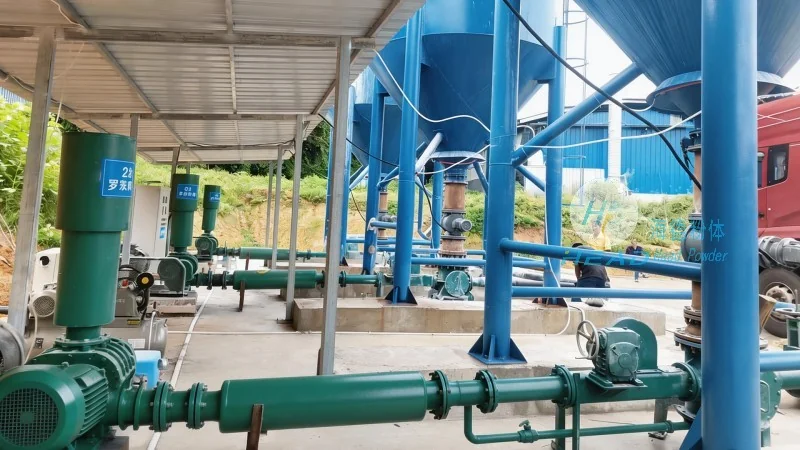
Understanding Sawdust and Husk Powder Conveying
Sawdust and husk powder conveying refers to the process of transporting fine particulate materials such as sawdust, corn husk, or other agricultural residues from one location to another within a production facility. These materials are typically lightweight, abrasive, and prone to dust generation, making conventional conveying methods less suitable. Specialized systems are designed to handle these characteristics while maintaining efficiency and safety.
Key Design Principles for Efficient Conveying
The design of sawdust and husk powder conveying systems follows several critical principles to address the unique challenges posed by these materials. First, the system must ensure proper material handling by controlling flow rates and preventing blockages. This involves selecting appropriate equipment like screw conveyors, pneumatic conveyors, or vacuum systems that can manage fine powders without clogging. Second, dust control is paramount due to the health and safety risks associated with airborne particles. Enclosed systems with filtration and ventilation are commonly used to minimize dust exposure and comply with environmental regulations. Third, energy efficiency is a key consideration, as continuous operation of conveying systems can be costly. Designers often opt for low-friction components and optimized airflow to reduce energy consumption while maintaining performance. Fourth, durability and maintenance are essential, as sawdust and husk can be abrasive and corrosive to equipment. Materials like stainless steel or corrosion-resistant coatings are used for components that come into direct contact with the material, ensuring long-term reliability.
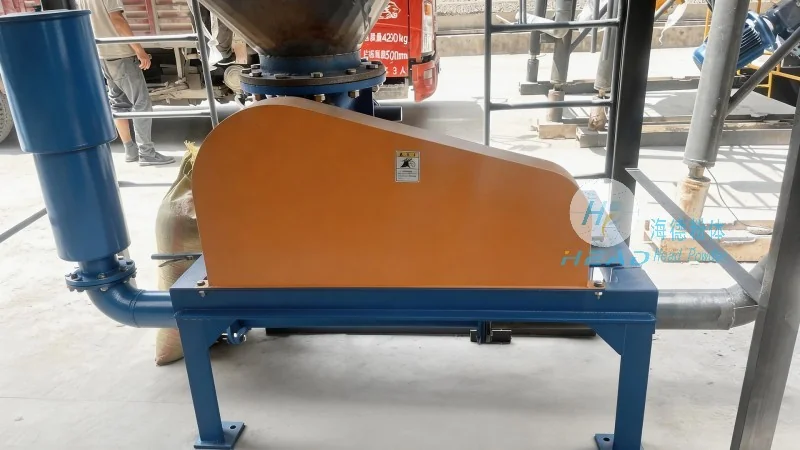
Role of HeadPowder in Sawdust and Husk Conveying Solutions
Shandong HeadPowder Engineering Co., Ltd., a leading provider in the field, specializes in designing and manufacturing tailored conveying systems for biomass powders. With a focus on innovation and customer needs, HeadPowder offers customized solutions that align with specific production requirements. The company’s expertise lies in integrating advanced technologies to enhance the performance of sawdust and husk conveying systems. For instance, their systems may incorporate variable speed drives to adjust flow rates dynamically, or advanced filtration systems to maintain air quality. By leveraging years of experience in the industry, HeadPowder ensures that their solutions not only meet but exceed the operational standards for efficient powder handling.
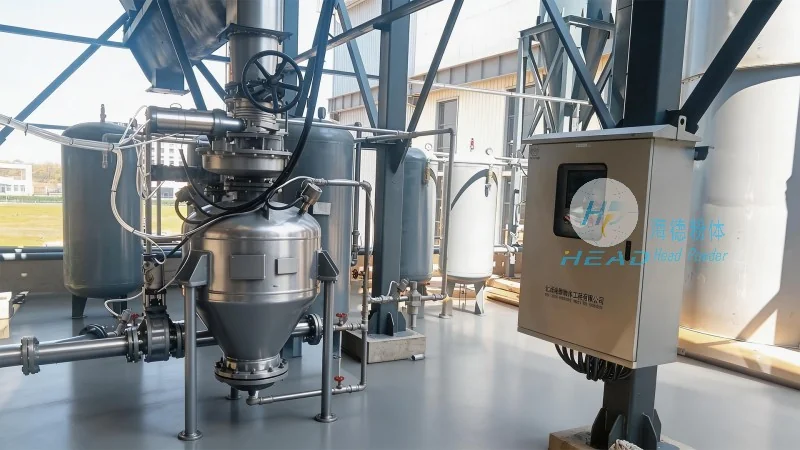
Applications and Benefits of Sawdust and Husk Powder Conveying
The applications of sawdust and husk powder conveying span across various industries, including woodworking, agriculture, and bioenergy. In woodworking, these systems are used to transport sawdust from cutting and shaping processes to storage or further processing stages. In agriculture, they facilitate the movement of husk from processing plants to storage or as raw material for other products. The benefits of efficient conveying systems include improved production throughput, reduced labor costs, and enhanced safety by minimizing manual handling of powders. Additionally, effective dust control contributes to a healthier working environment and compliance with environmental regulations, which is increasingly important for businesses operating in these sectors.
Conclusion
In summary, sawdust and husk powder conveying is a specialized process that requires careful consideration of design principles to ensure efficiency, safety, and durability. Companies like Shandong HeadPowder Engineering Co., Ltd. play a vital role in providing tailored solutions that address the unique challenges of handling these materials. By adhering to key design principles and leveraging advanced technologies, industries can achieve optimal performance in their powder conveying operations, supporting their overall production goals.




