HeadPowder, a leading engineering firm based in Shandong, China, specializes in providing advanced solutions for material handling and processing. Among their portfolio is the calcined limestone pneumatic conveying system, a critical equipment for efficient and reliable transportation of calcined limestone in industrial applications. This article delves into the fundamentals of this system, exploring its design principles and operational advantages.
Understanding the Calcined Limestone Pneumatic Conveying System
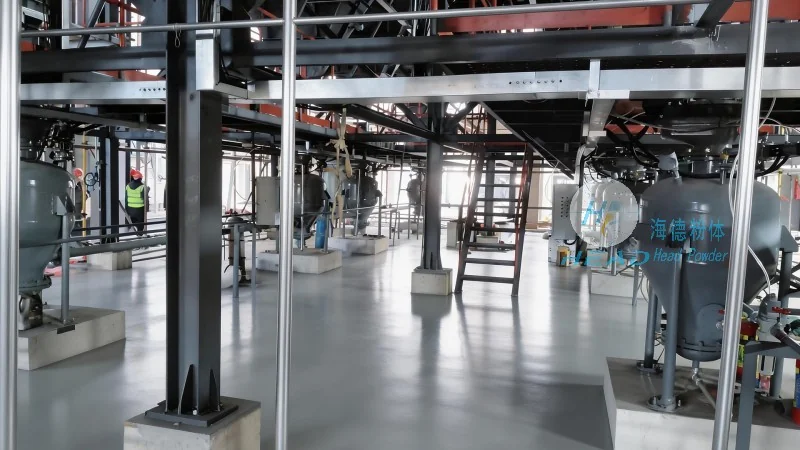
The calcined limestone pneumatic conveying system is a sophisticated piece of equipment designed to transport calcined limestone, a key raw material in various industries such as cement production, chemical manufacturing, and environmental remediation. Unlike traditional mechanical conveyors, this system utilizes air as the primary medium to move the material, offering several advantages including reduced equipment wear, lower maintenance costs, and the ability to handle materials in a dust-free environment. The system typically consists of a hopper for material storage, a blower or compressor to generate airflow, a pipeline network to transport the material, and a collection or discharge unit at the destination. The core of the system is the pneumatic conveying line, which can operate in either dilute-phase or dense-phase modes, depending on the material characteristics and required transport efficiency.
Key Components and Their Functions
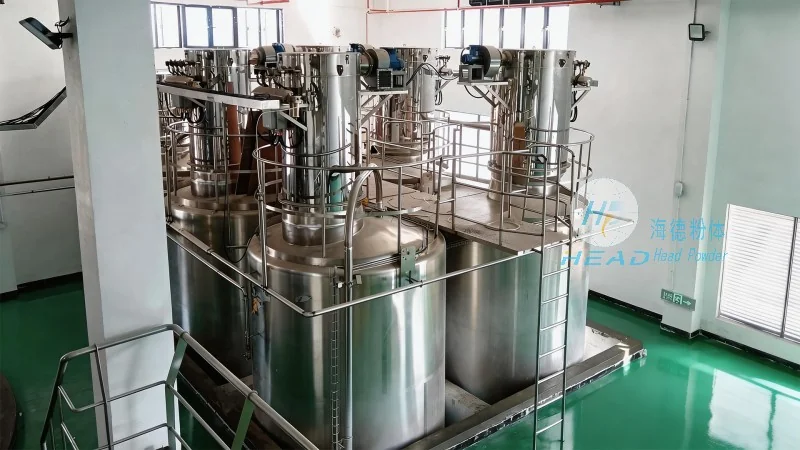
Each component of the calcined limestone pneumatic conveying system plays a crucial role in ensuring optimal performance. The material hopper is designed to store the calcined limestone, providing a consistent feed to the system. It often includes a feeder mechanism, such as a rotary valve or a screw feeder, to regulate the material flow into the conveying line. The blower or compressor is responsible for generating the necessary air pressure and flow rate to move the material through the pipeline. The choice of blower type (centrifugal, positive displacement, or rotary lobe) depends on factors like material density, particle size, and the required conveying distance. The pipeline network is constructed from materials like stainless steel or plastic, selected based on the material's chemical properties and the need for corrosion resistance. The pipeline layout includes bends, elbows, and expansion joints to accommodate changes in direction and elevation, minimizing pressure losses and ensuring smooth material flow. The collection or discharge unit at the end of the line receives the calcined limestone and deposits it into the target container or process equipment. This unit may include a filter or separator to remove any entrained air or fine particles from the material.
Design Principles for Optimal Performance
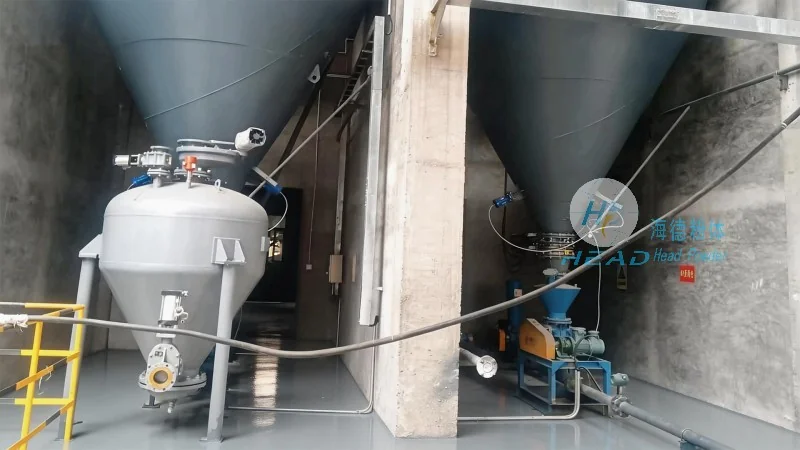
The design of a calcined limestone pneumatic conveying system follows several key principles to ensure efficiency, reliability, and safety. The first principle is the selection of the appropriate conveying mode, which depends on the material's physical properties. Dilute-phase conveying uses higher air velocities to transport the material in a dispersed state, suitable for fine powders and short distances. Dense-phase conveying, on the other hand, uses lower air velocities and higher material concentrations to transport the material in a slurry-like state, ideal for handling abrasive or sensitive materials over longer distances. The second principle is the calculation of the required air volume and pressure. This involves determining the material's bulk density, particle size distribution, and the conveying distance, using formulas and empirical data to ensure sufficient airflow to overcome friction losses and lift the material. The third principle is the proper sizing of the pipeline and components. The pipeline diameter is determined based on the material flow rate and air velocity, while the blower capacity is matched to the system's pressure requirements. The fourth principle is the incorporation of safety features, such as pressure relief valves, dust collection systems, and emergency shutdown mechanisms, to prevent accidents and protect personnel and equipment. The fifth principle is the consideration of energy efficiency, with the system designed to minimize power consumption while maintaining the required conveying performance. By adhering to these design principles, the calcined limestone pneumatic conveying system can achieve high throughput, low maintenance costs, and long operational life.
Operational Advantages and Applications
The calcined limestone pneumatic conveying system offers several operational advantages that make it a preferred choice in industrial applications. One of the main advantages is its ability to handle calcined limestone in a dust-free environment, which reduces the risk of dust explosions and improves workplace safety. Another advantage is the reduced equipment wear and lower maintenance costs compared to traditional mechanical conveyors, as the material is not in direct contact with the conveyor components. The system also provides flexibility in terms of layout, as the pipeline can be easily reconfigured to accommodate changes in production processes or facility expansions. Additionally, the system can handle materials with varying particle sizes and moisture content, making it suitable for a wide range of applications. The calcined limestone pneumatic conveying system is widely used in the cement industry for transporting raw materials and finished products, in chemical plants for moving reagents and byproducts, and in environmental projects for handling limestone used in flue gas desulfurization. In each of these applications, the system contributes to improved production efficiency, reduced downtime, and enhanced safety.
Conclusion and Future Outlook
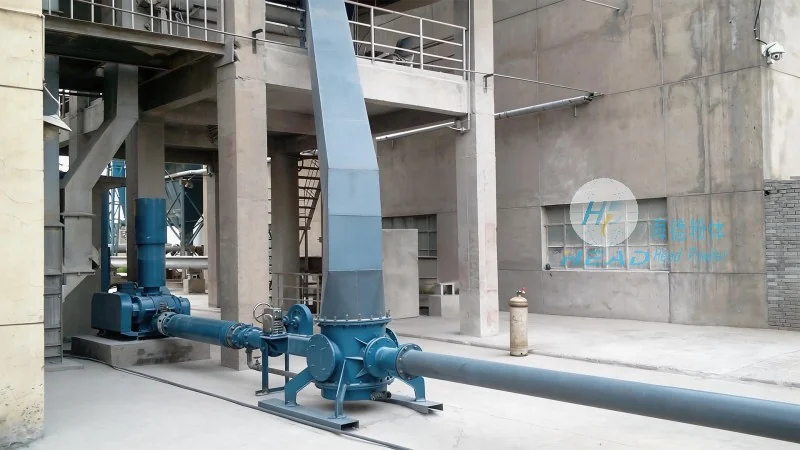
As a leading provider of engineering solutions, HeadPowder continues to innovate and improve the calcined limestone pneumatic conveying system to meet the evolving needs of the industrial sector. The system's design principles, based on material properties, operational requirements, and safety considerations, ensure its effectiveness in various applications. With advancements in technology, such as the use of intelligent control systems and energy-efficient components, the calcined limestone pneumatic conveying system is poised to become even more efficient and reliable in the future. By leveraging the expertise of companies like HeadPowder, industries can enhance their material handling processes, reduce costs, and improve overall productivity. The calcined limestone pneumatic conveying system remains a critical component in modern industrial operations, and its continued development will play a vital role in the future of material processing.




