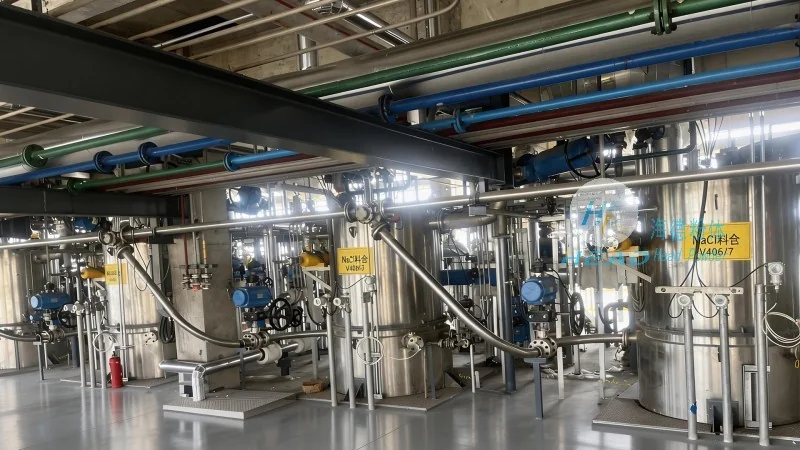
Understanding bead sand pneumatic conveying systems is crucial for industries that rely on efficient material handling, particularly those working with specialized materials like bead sand. This article explores the fundamental concepts of bead sand pneumatic conveying and delves into the core design principles that underpin such systems. By examining the technology and engineering considerations, we aim to provide a comprehensive overview for professionals seeking to understand or implement these systems in their operations.
Introduction to Bead Sand Pneumatic Conveying
Bead sand, also known as glass beads or silica beads, is a type of granular material commonly used in various industrial applications, including foundry, filtration, and surface treatment. Traditional material handling methods for bead sand, such as bucket elevators or belt conveyors, often face challenges like material degradation, high maintenance costs, and limited flexibility. Pneumatic conveying offers a solution by transporting the material through a pipeline using air pressure, eliminating the need for mechanical components that can cause wear and tear. The process involves generating a flow of air within the pipeline, which entrains the bead sand particles and transports them from the source to the destination. This method is particularly advantageous for bead sand due to its light weight and abrasive nature, as it minimizes the risk of material breakdown during transport.
Key Components of a Pneumatic Conveying System
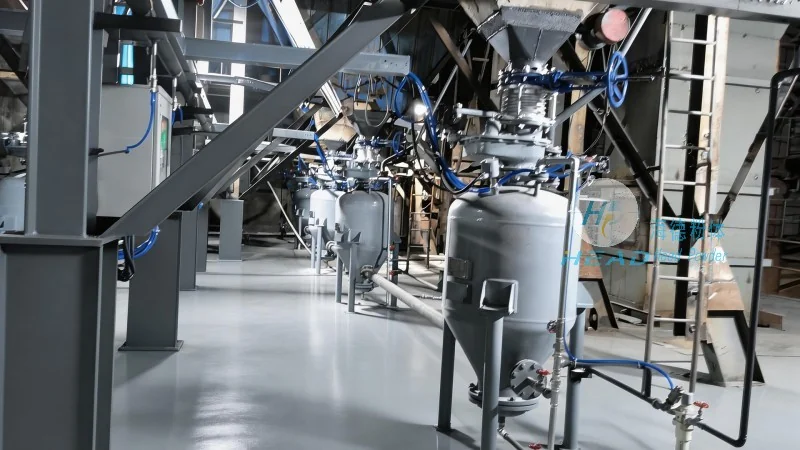
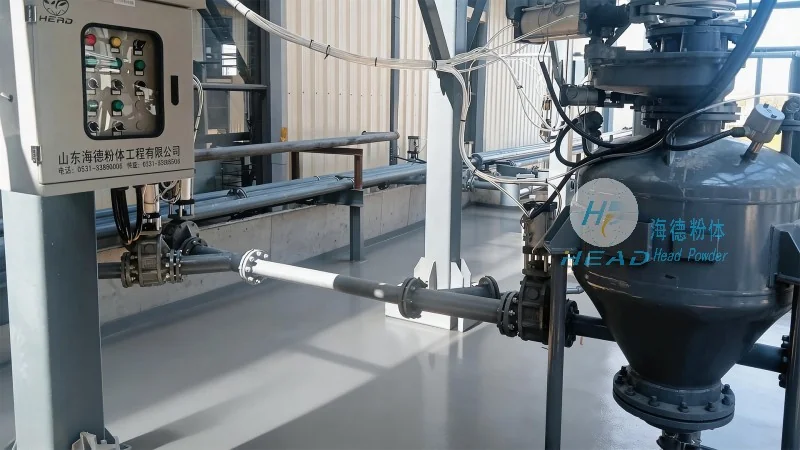
At the heart of any bead sand pneumatic conveying system are several critical components that work in tandem to ensure efficient material transport. These components include the material feed system, the conveying line, the air supply unit, and the discharge mechanism. The material feed system is responsible for introducing the bead sand into the system, typically through a hopper or a rotary valve that controls the flow rate. The conveying line, often made of stainless steel or other corrosion-resistant materials, is designed to withstand the abrasive nature of bead sand and the pressure differentials involved. The air supply unit, which may consist of a blower or a compressor, generates the necessary air pressure to move the material through the pipeline. Finally, the discharge mechanism, such as a rotary valve or a cyclone separator, collects the bead sand at the end of the line and directs it to the desired location. Each component must be carefully selected and sized to match the specific characteristics of the bead sand and the operational requirements of the system.
Design Principles for Optimal Performance
The design of a bead sand pneumatic conveying system is governed by several key principles aimed at maximizing efficiency, minimizing energy consumption, and ensuring long-term reliability. One of the primary considerations is the air-to-material ratio, which determines the velocity of the air flow and the distance over which the material can be conveyed. A higher air-to-material ratio results in higher velocities and longer conveying distances but also increases energy consumption. Engineers must balance these factors to achieve the optimal ratio for their specific application. Another critical principle is the pipeline design, including the diameter, length, and bends. The diameter of the pipeline is typically determined by the material flow rate and the air velocity, while the number and angle of bends are minimized to reduce pressure losses and prevent material deposition. Additionally, the system must account for the pressure differentials between the source and destination, ensuring that the air pressure is sufficient to overcome the resistance caused by the material and the pipeline itself. Proper sealing of the system is also essential to prevent air leaks, which can reduce efficiency and increase energy costs.
Factors Influencing System Performance
Several factors can impact the performance of a bead sand pneumatic conveying system, and understanding these factors is essential for effective design and operation. The physical properties of the bead sand, such as particle size, density, and abrasiveness, play a significant role in determining the system's requirements. For example, finer bead sand particles may require higher air velocities to prevent clogging, while larger particles may need a larger pipeline diameter to maintain flow. The operating environment, including temperature and humidity, can also affect the system's performance, as these factors can influence the air density and the material's behavior. Furthermore, the system's layout and the distance between the source and destination can impact the design, as longer distances may necessitate additional components like booster fans or cyclone separators to maintain the air pressure. Regular maintenance and monitoring of the system are also crucial to ensure consistent performance and to identify any issues before they lead to system failure.
Applications and Benefits of Bead Sand Pneumatic Conveying
Bead sand pneumatic conveying systems are widely used in various industries due to their versatility and efficiency. In the foundry industry, for example, these systems are used to transport bead sand for sandblasting and surface treatment, where the material's abrasive properties are essential. In the filtration industry, bead sand is used as a filter media, and pneumatic conveying allows for easy replacement and maintenance of the filter. The benefits of using pneumatic conveying for bead sand include reduced material handling costs, improved safety by eliminating manual handling, and increased production efficiency. Additionally, the system's ability to handle abrasive materials without causing wear and tear on components makes it a preferred choice for many applications. By implementing a well-designed pneumatic conveying system, companies can enhance their operational efficiency and reduce downtime, ultimately leading to improved profitability.
Conclusion
In conclusion, bead sand pneumatic conveying is a sophisticated material handling technology that offers significant advantages over traditional methods. The design principles and components of such systems are carefully engineered to ensure efficient and reliable transport of bead sand, a material with unique properties that require specialized handling. By understanding the fundamentals of pneumatic conveying and adhering to the design principles outlined in this article, industries can implement effective systems that meet their operational needs. As the demand for efficient material handling continues to grow, bead sand pneumatic conveying remains a valuable solution for companies seeking to optimize their processes and improve their bottom line. Shandong HeadPowder Engineering Co., Ltd., a leading provider of engineering solutions, specializes in designing and manufacturing pneumatic conveying systems tailored to the specific requirements of bead sand applications. With a focus on quality and innovation, the company ensures that its systems deliver optimal performance and reliability for its clients. Based in Shandong, China, HeadPowder has established itself as a trusted partner in the industry, providing comprehensive solutions for material handling challenges. Whether for foundry, filtration, or other applications, the company's expertise in pneumatic conveying technology helps businesses achieve their operational goals with efficiency and precision.




