PTFE (Polytetrafluoroethylene) pneumatic conveying equipment represents a specialized category of powder handling systems designed to transport dry bulk materials through the use of compressed air or other gas streams. This technology is widely utilized across various industries, including chemical, pharmaceutical, food processing, and manufacturing, due to its ability to handle a broad range of powders with minimal product degradation and contamination. The equipment's design incorporates PTFE components, which are known for their exceptional chemical resistance, non-stick properties, and thermal stability, making them ideal for applications involving aggressive or sensitive materials. Such systems are typically engineered and manufactured by Shandong HeadPowder Engineering Co., Ltd., a company based in Shandong, China, with expertise in powder handling technology.
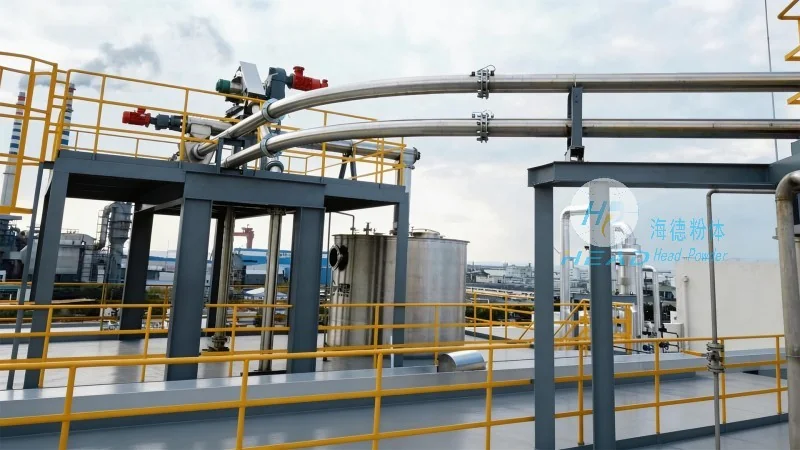
Overview of PTFE Pneumatic Conveying Systems
The core of PTFE pneumatic conveying systems is the mechanism of transporting powders in a fluidized state using pressurized air. The system typically consists of several key components, including a hopper for material storage, a conveying line (often lined with PTFE to prevent material adhesion), a compressor to generate the necessary air pressure, and a control system to regulate the flow. The PTFE material is strategically used in components such as the hopper interior, conveying pipes, and valve surfaces to ensure that the powder remains free-flowing and that the equipment maintains its integrity over time.
Key Structural Components and Their Functions
The structural design of PTFE pneumatic conveying equipment is tailored to optimize material transport efficiency while minimizing maintenance and operational costs. A primary component is the material hopper, which is equipped with a PTFE-lined interior to prevent the powder from adhering to the walls. This design ensures consistent material flow and reduces the risk of clogging. The conveying line, which may be made of PTFE-coated metal or entirely PTFE, is designed to withstand the abrasive nature of many powders and the corrosive effects of certain chemicals. The line is typically equipped with bends and fittings that are also PTFE-lined to maintain a smooth flow path and prevent material buildup. Additionally, the system includes a filter and cyclone separator to capture and return any material that is not successfully conveyed, ensuring high recovery rates and preventing product loss.
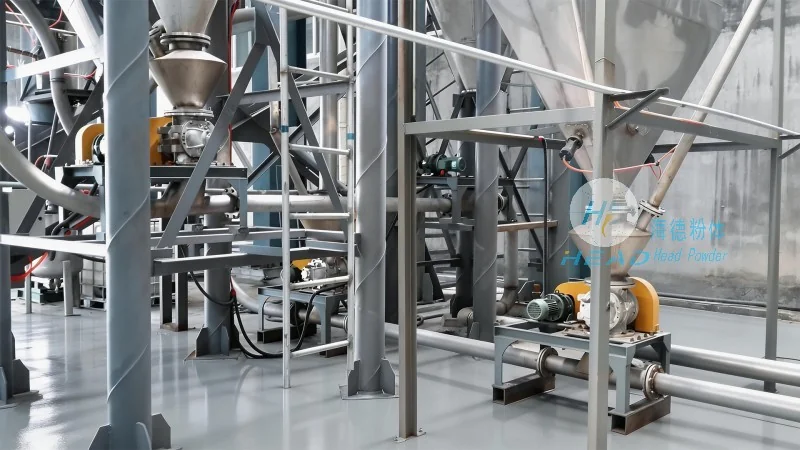
Working Principle of PTFE Pneumatic Conveying
The operation of PTFE pneumatic conveying equipment involves the creation of a high-velocity air stream that entrains the powder particles and transports them through the system. The compressor generates the required pressure, which is then directed into the hopper, causing the powder to become fluidized. As the air flows through the conveying line, it carries the powder particles along, maintaining a consistent flow rate. The PTFE components play a critical role in this process by reducing friction and preventing the powder from sticking to the equipment surfaces, which would otherwise impede the flow and require frequent cleaning or replacement. The control system monitors parameters such as pressure, flow rate, and material level, adjusting the air supply as needed to maintain optimal operation.
Advantages of PTFE in Pneumatic Conveying
PTFE's unique properties offer several advantages when used in pneumatic conveying systems. Its non-stick surface minimizes material buildup, reducing the need for frequent maintenance and cleaning. This is particularly beneficial for handling sticky or cohesive powders, which are prone to clogging in traditional metal or plastic equipment. The chemical resistance of PTFE allows the equipment to handle a wide range of aggressive materials, including acids, bases, and solvents, without degradation. Additionally, PTFE's thermal stability ensures that the equipment can operate in a variety of temperature conditions, from low to high temperatures, without losing its performance characteristics. These advantages make PTFE pneumatic conveying systems a preferred choice for industries that require high-purity, low-contamination material transport.
Applications and Industries
PTFE pneumatic conveying equipment is applied in numerous industries where the transport of powders is critical. In the pharmaceutical industry, it is used to handle active pharmaceutical ingredients (APIs) and excipients, ensuring that the materials remain sterile and free from contamination. In the food processing industry, it is employed to transport dry ingredients such as sugar, flour, and spices, maintaining the product's quality and preventing cross-contamination. The chemical industry utilizes PTFE pneumatic conveying systems to transport corrosive chemicals and catalysts, protecting both the equipment and the personnel from exposure. In manufacturing, it is used for the transport of metal powders, ceramics, and other industrial powders, enhancing production efficiency and reducing downtime.
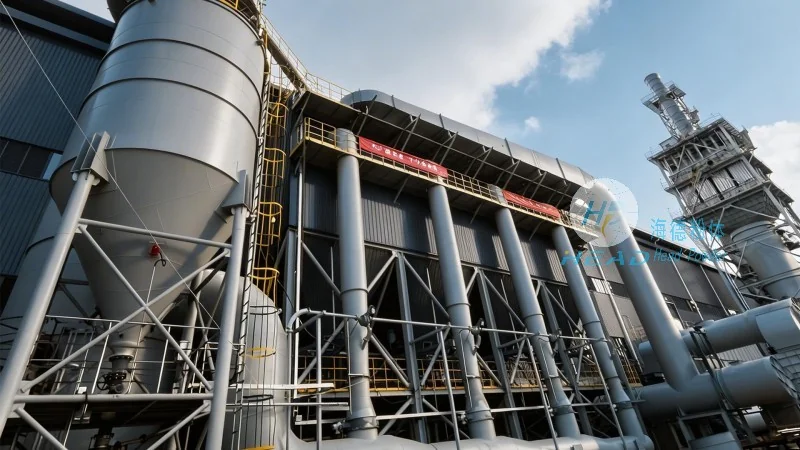
Maintenance and Longevity of PTFE Pneumatic Conveying Equipment
Proper maintenance is essential to ensure the longevity and efficiency of PTFE pneumatic conveying systems. Regular inspection of PTFE components for signs of wear or damage is crucial, as PTFE can degrade over time due to exposure to high temperatures or aggressive chemicals. Cleaning the system, particularly the hopper and conveying lines, should be done using appropriate methods to avoid scratching the PTFE surface, which could compromise its non-stick properties. The use of compatible lubricants and cleaning agents is also important to prevent damage to the PTFE components. By following these maintenance practices, the equipment can maintain its performance and extend its operational life, providing reliable service for years.
Conclusion
PTFE pneumatic conveying equipment represents a sophisticated solution for the efficient and reliable transport of dry bulk materials. Its combination of PTFE's unique properties with the principles of pneumatic conveying technology makes it an ideal choice for industries that demand high-purity, low-contamination material handling. The structural design and working principles of these systems are carefully engineered to optimize performance while minimizing maintenance requirements. As a result, PTFE pneumatic conveying equipment continues to be a vital component in modern industrial operations, supporting the production and processing of a wide range of materials with precision and efficiency.




