Alumina powder, a critical material in various industrial applications, often requires efficient and reliable transportation methods. Pneumatic conveying, particularly for alumina powder, offers a solution that combines performance with flexibility. This article explores the concept of alumina powder pneumatic conveying, detailing the working principles of powder handling systems and how they facilitate the movement of this valuable material.
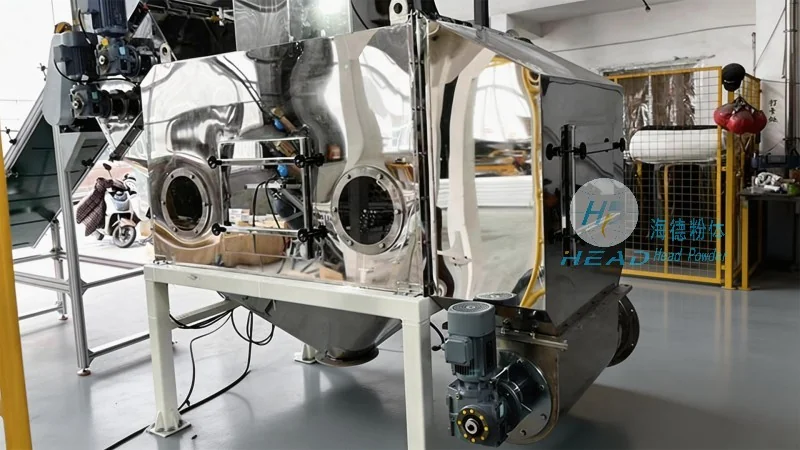
About the Company: HeadPowder
HeadPowder, or Shandong HeadPowder Engineering Co., Ltd., is a leading provider of advanced powder handling solutions. With a focus on innovation and customer-centric design, the company specializes in developing systems tailored to the unique needs of industries dealing with fine powders like alumina. HeadPowder's expertise lies in creating efficient, low-maintenance, and cost-effective pneumatic conveying systems that ensure the safe and reliable transport of materials from source to destination.
Understanding Pneumatic Conveying for Alumina Powder
Pneumatic conveying is a method of transporting bulk materials, such as powders, through a pipeline using a gas stream, typically air. For alumina powder, which is known for its high density and abrasive properties, the choice of conveying system is crucial. The system must be capable of handling the material's characteristics while minimizing wear and ensuring consistent flow. There are two primary types of pneumatic conveying systems: dilute-phase and dense-phase. Dilute-phase systems use a high-velocity air stream to suspend the powder particles, allowing for long-distance transport with minimal pressure drops. Dense-phase systems, on the other hand, operate at lower velocities, using a higher air-to-powder ratio to create a slurry-like flow, which is ideal for sensitive or abrasive materials like alumina.
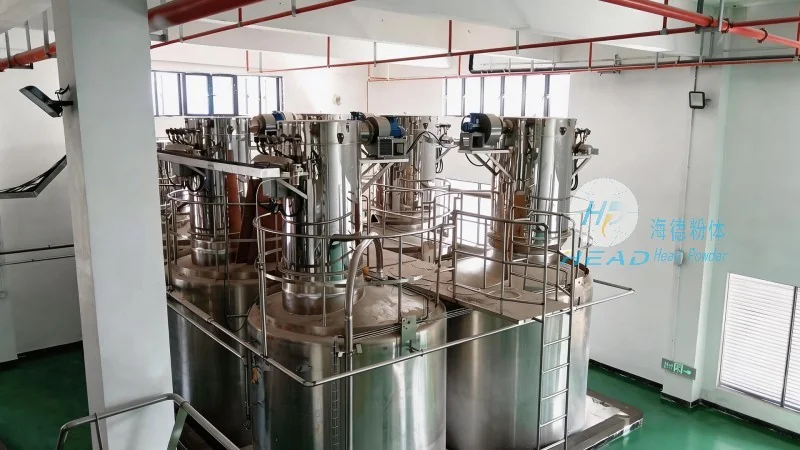
The Working Principle of a Typical Pneumatic Conveying System
A standard pneumatic conveying system for alumina powder consists of several key components, each playing a vital role in the overall process. The system typically includes a material feed hopper, a conveying line, a receiver or discharge hopper, and a blower or compressor. The process begins with the alumina powder being fed into the hopper. From there, the material is drawn into the conveying line by the air stream generated by the blower. The air velocity is carefully controlled to ensure that the powder particles are fully suspended and transported through the pipeline. As the material travels, it may encounter various components such as bends, filters, or cyclones, which help to maintain the flow and prevent blockages. The receiving hopper collects the transported alumina powder, where it can be further processed or stored. The entire system operates under controlled pressure and airflow, ensuring efficient and consistent transport of the material.
Key Advantages of Pneumatic Conveying for Alumina Powder
Implementing a pneumatic conveying system for alumina powder offers several advantages over traditional methods like bucket elevators or belt conveyors. One of the primary benefits is the ability to handle abrasive materials without significant wear on the system components. The enclosed pipeline design also prevents dust contamination, which is critical for maintaining product quality and meeting environmental regulations. Additionally, pneumatic systems can transport alumina powder over long distances with minimal energy consumption compared to other methods. The flexibility of the system allows for easy integration with existing production lines, and the low maintenance requirements contribute to reduced operational costs. For industries dealing with alumina powder, these advantages make pneumatic conveying a preferred choice for material handling.
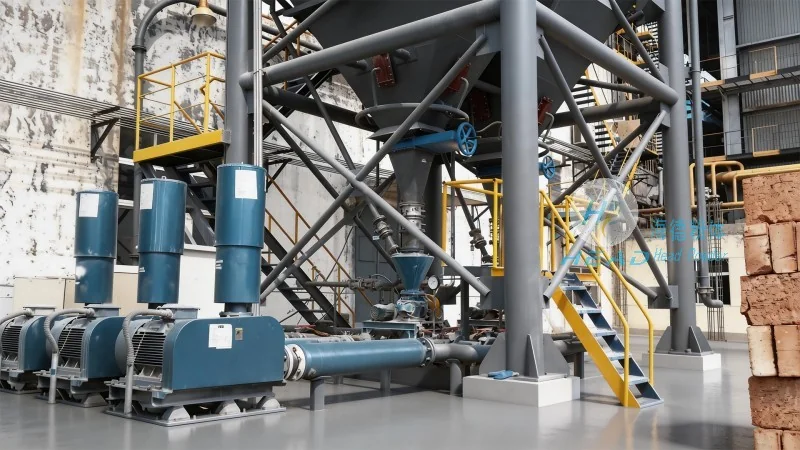
Applications and Industries Benefiting from Alumina Powder Pneumatic Conveying
Alumina powder is widely used in various industries, including ceramics, refractories, and chemical manufacturing. Pneumatic conveying systems are essential in these sectors for efficiently moving the material from storage to processing equipment. In the ceramics industry, for example, alumina powder is used as a raw material in the production of high-quality ceramics. The pneumatic system ensures that the powder is delivered to the mixing and molding equipment in a controlled manner, maintaining consistent quality and reducing downtime. Similarly, in the refractory industry, alumina powder is used to produce refractory bricks and linings. The ability to transport the material efficiently and safely is crucial for maintaining production rates and ensuring product integrity. Chemical manufacturers also benefit from pneumatic conveying systems when handling alumina powder in processes such as coating or catalyst production. The systems help to minimize material loss and ensure that the powder is delivered to the processing equipment in a clean and controlled manner.
Conclusion: The Importance of Reliable Alumina Powder Pneumatic Conveying Systems
In conclusion, alumina powder pneumatic conveying is a vital technology for industries dealing with this valuable material. The working principles of powder handling systems, combined with the expertise of companies like HeadPowder, ensure that alumina powder is transported efficiently, safely, and reliably. The advantages of pneumatic conveying, including its ability to handle abrasive materials and minimize contamination, make it an ideal choice for various applications. As industries continue to rely on alumina powder for their production processes, the importance of reliable and efficient pneumatic conveying systems cannot be overstated. HeadPowder's commitment to providing advanced powder handling solutions ensures that businesses can meet their material transport needs while maintaining high standards of quality and performance.




