Calcium nitrite is a chemical compound widely used in various industrial applications, particularly in the production of fire retardants, concrete additives, and as a food preservative. The efficient transportation of this fine powder is crucial for maintaining product quality and ensuring smooth industrial processes. This article explores the concept of calcium nitrite pneumatic conveying, a method that leverages air to transport powders like calcium nitrite over long distances or within complex industrial setups.
Understanding Pneumatic Conveying: The Basics
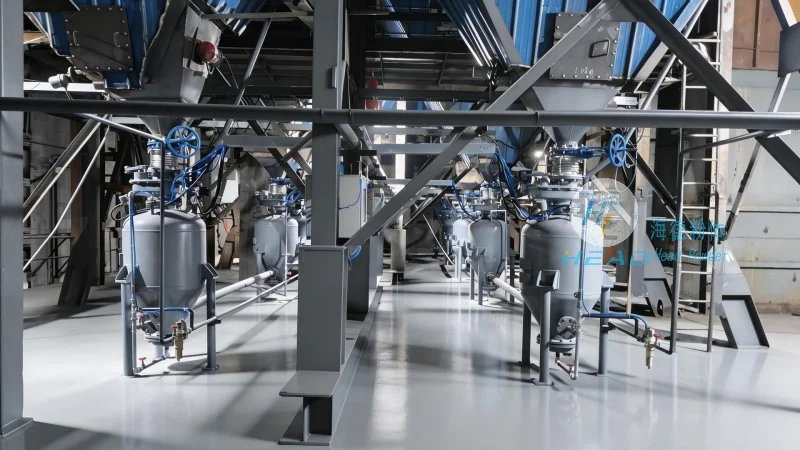
Pneumatic conveying, also known as powder handling systems, is a technology that uses pressurized air or vacuum to move bulk materials, such as powders, granules, or small particles. Unlike traditional mechanical methods like screw conveyors or belt conveyors, pneumatic systems offer advantages like flexibility in layout, reduced contamination risk, and the ability to handle materials in a closed environment. For calcium nitrite, which is a fine, potentially hygroscopic powder, pneumatic conveying is often preferred due to its ability to minimize dust exposure and maintain product integrity.
The Working Principle of Calcium Nitrite Pneumatic Conveying
The core of a pneumatic conveying system for calcium nitrite involves several key components working in tandem. At its simplest, the system consists of a material feed hopper, a conveying line (often a pipe), a compressor or vacuum pump to generate the air flow, and a discharge point where the material is deposited. The process begins when calcium nitrite is fed into the hopper. The system then introduces air, either under pressure (positive pressure system) or by creating a vacuum (negative pressure system), to transport the powder through the pipeline.
In a positive pressure system, a blower or compressor pushes air and the material mixture through the conveying line. The air velocity is maintained above the material's terminal velocity to prevent settling and ensure smooth transport. The pipeline is typically designed with bends and fittings that minimize pressure loss and maintain consistent flow. At the destination, a separator or cyclone separates the air from the powder, allowing the calcium nitrite to be collected in a storage bin or processing unit.
For calcium nitrite, which can be sensitive to moisture and temperature changes, the system may include additional features like temperature control or moisture-proofing measures. The air used in the conveying process is often filtered to prevent dust from escaping into the environment, and the system is designed to minimize product degradation during transport.
Key Components of a Calcium Nitrite Pneumatic Conveying System
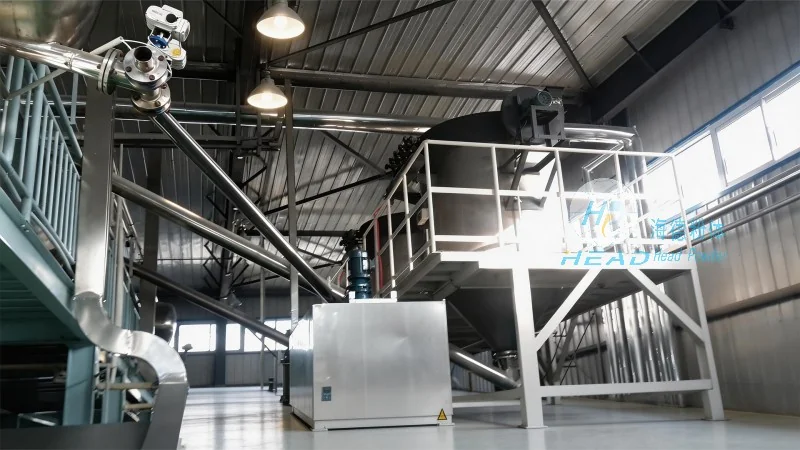
Several critical components are essential for the efficient operation of a calcium nitrite pneumatic conveying system. The material feed hopper is responsible for storing and feeding the calcium nitrite into the system. It is typically equipped with a feeder, such as a rotary valve or a screw feeder, to control the flow rate and prevent blockages. The conveying line, usually made of stainless steel or other corrosion-resistant materials, is designed to handle the abrasive nature of calcium nitrite and prevent material buildup.
The compressor or vacuum pump is the heart of the system, providing the necessary air pressure or vacuum to move the material. The choice between positive and negative pressure depends on factors like the distance to be covered, the volume of material to be transported, and the system layout. For long-distance or complex routes, positive pressure systems are often preferred due to their higher efficiency and ability to handle larger volumes.
The separator or cyclone is a crucial component for separating the air from the powder. It works by using centrifugal force to separate the heavier powder particles from the air stream. The collected powder is then discharged into a collection bin, while the air is either filtered and recirculated or released to the atmosphere. In some systems, additional filtration is used to ensure that no calcium nitrite dust escapes, maintaining environmental compliance and product safety.
Advantages of Using Pneumatic Conveying for Calcium Nitrite
Implementing a pneumatic conveying system for calcium nitrite offers several advantages over traditional mechanical methods. One of the primary benefits is the reduction in dust exposure, which is critical for both worker safety and product quality. Unlike open systems, pneumatic conveying operates in a closed environment, minimizing the risk of dust inhalation and contamination of other materials. This is particularly important for calcium nitrite, which is used in applications where purity is essential, such as food preservation or fire retardant production.
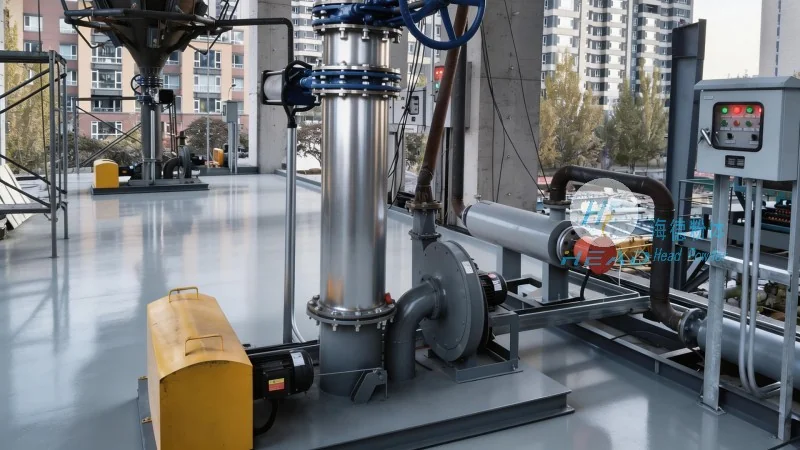
Another advantage is the flexibility in system design. Pneumatic systems can be easily adapted to different industrial layouts, allowing for the integration of multiple feeding points or discharge locations. This flexibility is especially valuable in facilities where space is limited or where the production process requires material to be transported to various locations. The ability to handle long distances without the need for multiple transfer points also simplifies the overall system design and reduces maintenance costs.
Efficiency and cost-effectiveness are also significant benefits. Pneumatic conveying systems can transport calcium nitrite at a lower cost per unit compared to other methods, especially over long distances. The reduced need for manual handling and the ability to operate continuously without frequent maintenance further enhance the economic benefits. Additionally, the closed system design minimizes material loss, which translates to lower operational costs and higher overall productivity.
Applications of Calcium Nitrite in Pneumatic Conveying Systems
Calcium nitrite is used in a wide range of industrial applications, and its efficient transportation via pneumatic conveying is essential for many of these processes. In the construction industry, calcium nitrite is commonly used as an admixture in concrete to improve its fire resistance and durability. Pneumatic conveying systems are used to transport the powder from storage to concrete mixing plants, ensuring a consistent and controlled addition of the admixture.
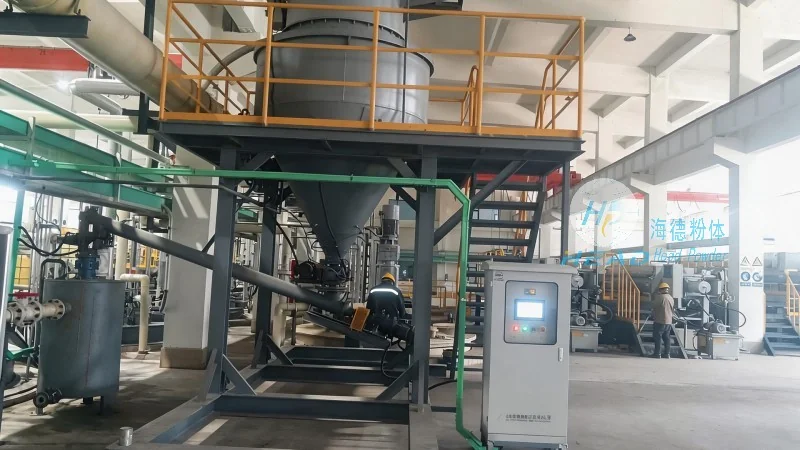
In the food industry, calcium nitrite is used as a preservative in processed meats, such as sausages and bacon. The pneumatic conveying system allows for the safe and hygienic transport of the powder from storage to processing lines, maintaining the product's quality and safety standards. The closed system design also helps in preventing cross-contamination with other food products.
In the chemical industry, calcium nitrite is used in the production of various chemicals, including nitrates and other nitrogen-based compounds. The pneumatic conveying system is used to transport the powder between different stages of the production process, such as from a reactor to a filtration unit or from a storage tank to a reaction vessel. The ability to handle the material in a closed environment ensures that the production process remains clean and efficient.
Conclusion: The Role of Pneumatic Conveying in Calcium Nitrite Handling
Calcium nitrite pneumatic conveying is a vital technology in the efficient and safe handling of this important chemical compound. By leveraging air to transport the fine powder, the system offers advantages in terms of dust control, flexibility, and cost-effectiveness. The working principle, which involves feeding, conveying, and separating, is designed to maintain the quality of the material while minimizing environmental impact.
For industries that rely on calcium nitrite, such as construction, food processing, and chemical manufacturing, the proper design and operation of a pneumatic conveying system are critical to ensuring product quality and operational efficiency. Companies like Shandong HeadPowder Engineering Co., Ltd., based in China, specialize in the design and manufacturing of such systems, providing tailored solutions to meet the specific needs of their clients. With the right system in place, calcium nitrite can be transported safely and efficiently, supporting the various industrial applications that depend on this versatile chemical.




