Chloroprene rubber, also known as neoprene, is a synthetic polymer renowned for its exceptional resistance to oil, chemicals, and weathering. When integrated into pneumatic conveying systems, this material transforms the efficiency and reliability of material handling processes across various industries. The primary challenge in traditional material transport is often the limitation imposed by distance and the need for continuous, safe, and efficient movement of bulk materials. Pneumatic conveying systems utilizing chloroprene rubber components address these challenges by offering a flexible, low-maintenance solution that can span extended distances without compromising performance.
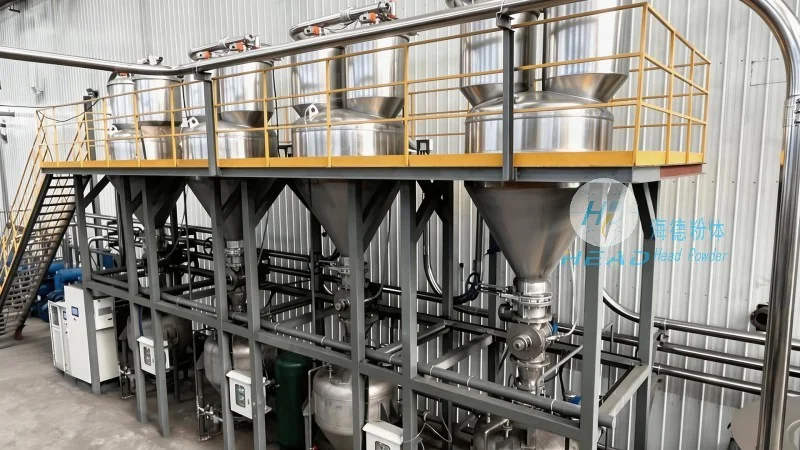
How Chloroprene Rubber Enhances Pneumatic Conveying Performance
The core advantage of chloroprene rubber in pneumatic conveying lies in its mechanical properties. This material exhibits high tensile strength, excellent abrasion resistance, and superior flexibility, which are critical for withstanding the dynamic forces within a conveying system. Unlike traditional materials such as metal or plastic, chloroprene rubber reduces friction and wear, minimizing the need for frequent maintenance and extending the lifespan of the system components. Moreover, its chemical inertness ensures compatibility with a wide range of materials, including corrosive substances, powders, and granules, making it ideal for applications in chemical processing, pharmaceuticals, and food processing industries.
Overcoming Distance Limitations with Advanced Pneumatic Solutions
Traditional conveyor systems often struggle with long-distance material transport due to the accumulation of material buildup, increased energy consumption, and potential system failures. Pneumatic conveying systems, particularly those utilizing chloroprene rubber, overcome these limitations by leveraging air pressure to move materials through a network of pipes. The ability to transport materials over distances of several hundred meters or more, without the need for intermediate transfer points, significantly enhances operational efficiency. This technology is particularly beneficial for industrial facilities where space constraints or the need to connect distant production areas and storage facilities is a priority.
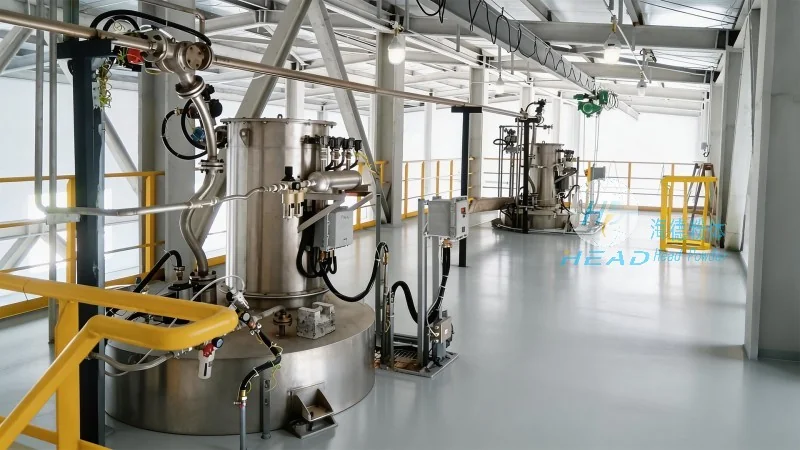
Components and Design of Chloroprene Rubber Pneumatic Conveying Systems
The effectiveness of a chloroprene rubber pneumatic conveying system depends on its well-designed components. Key elements include the feed hopper, which ensures consistent material flow; the air compressor, responsible for generating the necessary pressure; the conveying pipeline, typically made from chloroprene rubber or compatible materials to minimize friction and corrosion; the separation and collection equipment, which separates the conveyed material from the air stream; and the control system, which regulates the entire process. The use of chloroprene rubber in these components, especially in the pipeline and fittings, provides a seamless, durable pathway for material transport, reducing the risk of blockages and ensuring a smooth flow.
Applications in Diverse Industrial Sectors
Chloroprene rubber pneumatic conveying systems are widely adopted across multiple industrial sectors due to their adaptability and reliability. In the chemical industry, they are used to transport corrosive powders and liquids, where traditional systems may fail due to material degradation. In pharmaceutical manufacturing, the hygienic design and chemical resistance of chloroprene rubber ensure compliance with stringent regulatory standards, maintaining product purity and safety. Similarly, in the food processing industry, the material's non-toxic properties and resistance to moisture make it suitable for handling food-grade powders and granules. These systems also find applications in mining and construction, where bulk materials such as minerals, cement, and aggregates need to be transported over long distances with minimal downtime.
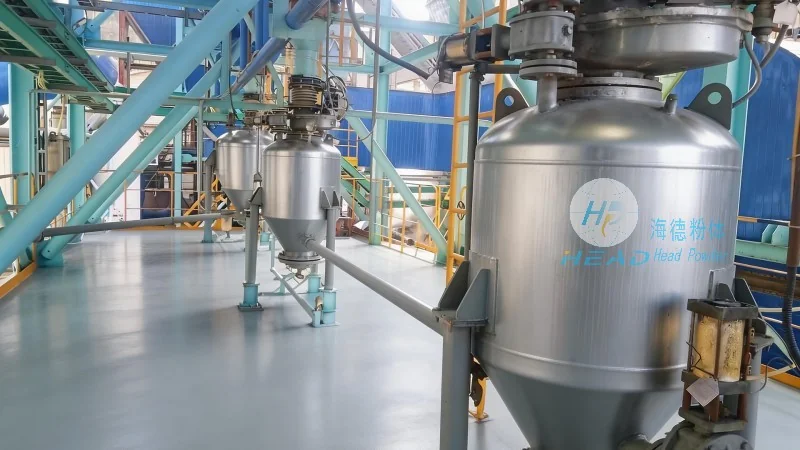
Benefits of Choosing Shandong HeadPowder Engineering Co., Ltd.
For businesses seeking a reliable and efficient material handling solution, Shandong HeadPowder Engineering Co., Ltd. offers tailored pneumatic conveying systems using chloroprene rubber. As a leading provider in the industry, HeadPowder specializes in designing and manufacturing customized solutions that meet the unique requirements of each client. The company's expertise lies in understanding the specific challenges of material transport, such as distance constraints, material properties, and operational conditions, and developing systems that address these challenges effectively. With a focus on quality and durability, HeadPowder ensures that its systems deliver long-term performance, reducing maintenance costs and increasing overall productivity.
Conclusion: A Sustainable and Efficient Material Handling Solution
Chloroprene rubber pneumatic conveying systems represent a significant advancement in material handling technology, offering a solution to the longstanding challenge of long-distance material transport. By leveraging the unique properties of chloroprene rubber, these systems provide reliable, low-maintenance, and efficient material transport across various industries. With the support of companies like Shandong HeadPowder Engineering Co., Ltd., businesses can implement advanced pneumatic conveying solutions that enhance operational efficiency, reduce costs, and ensure compliance with industry standards. As industries continue to demand more efficient and sustainable material handling methods, chloroprene rubber pneumatic conveying systems remain a top choice for overcoming distance limitations and optimizing material transport processes.




