

Design Considerations for Corn Kernels Pneumatic Conveying System Solutions
When designing a pneumatic conveying system for corn kernels, several critical factors must be considered to ensure efficient, reliable, and cost-effective operation. The system's performance is directly influenced by the selection of appropriate components, material properties of the corn kernels, and the operational environment. This article outlines key design considerations for corn kernels pneumatic conveying systems, emphasizing the expertise of Shandong HeadPowder Engineering Co., Ltd. (referred to as HeadPowder) in providing tailored solutions for agricultural material handling.
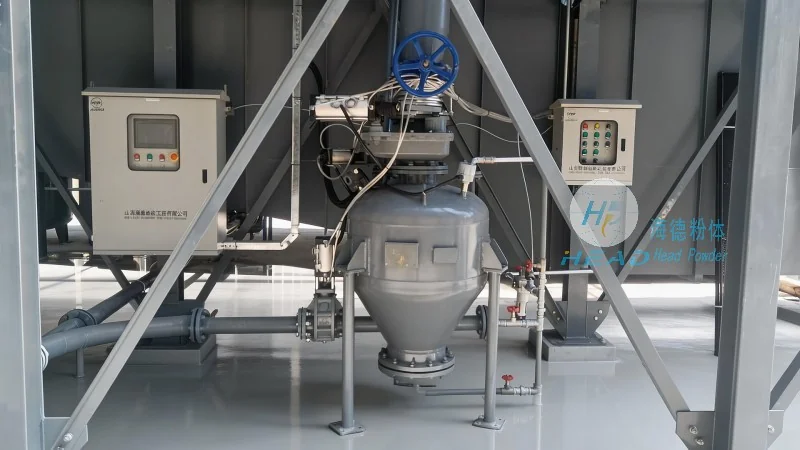
System Type Selection: Dilute vs. Dense Phase Conveying
The first major decision in system design is choosing between dilute phase and dense phase pneumatic conveying. Dilute phase systems use low air velocities to transport materials in a suspended state, typically with air-to-solid ratios ranging from 5:1 to 10:1. This method is suitable for short to medium distances and is often used for light, free-flowing materials like corn kernels. Dense phase systems, on the other hand, operate at higher air pressures and lower velocities, creating a plug flow of material and air. This approach is ideal for handling abrasive or sensitive materials, as it minimizes particle impact and reduces wear on equipment. HeadPowder engineers evaluate the specific characteristics of corn kernels—such as size, moisture content, and bulk density—to recommend the most suitable system type, ensuring optimal performance and longevity.
Design Parameters: Air Pressure, Flow Rate, and Air-Solid Ratio
Key design parameters include air pressure, flow rate, and the air-to-solid ratio. Air pressure is determined by the system's length, elevation changes, and the need to overcome friction losses in the pipeline. For corn kernels, typical operating pressures range from 0.5 to 2 bar (7 to 29 psi) in dilute phase systems, while dense phase systems may require pressures up to 6 bar (87 psi). Flow rate is calculated based on the required throughput, which depends on the production capacity of the corn processing facility. The air-solid ratio is a critical factor that balances material transport efficiency with energy consumption. HeadPowder uses advanced computational fluid dynamics (CFD) modeling to simulate airflow and particle behavior, optimizing the air-solid ratio to minimize energy use without compromising material transport. This approach ensures that the system operates efficiently while meeting the plant's throughput requirements.
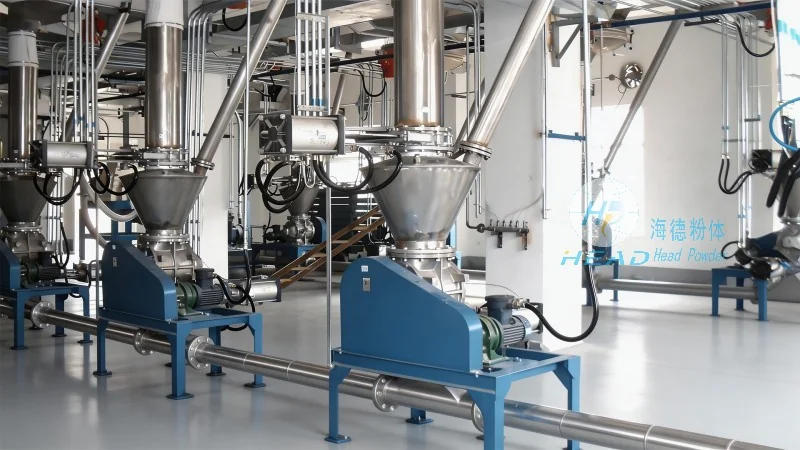
Pipeline Design: Diameter, Length, and Layout
Pipeline design is another critical aspect of system performance. The diameter of the pipeline is determined by the required flow rate and the air velocity to maintain material suspension. For corn kernels, a common pipeline diameter is 100 to 200 mm (4 to 8 inches), depending on the system's capacity. The length of the pipeline and any elevation changes (e.g., vertical lifts) must be accounted for in the design to ensure sufficient pressure is maintained. HeadPowder engineers consider the layout of the system, including the number of bends, elbows, and vertical sections, to minimize pressure losses. They also recommend the use of smooth, corrosion-resistant materials like stainless steel or PVC for the pipeline to prevent material buildup and reduce maintenance costs. Proper pipeline design is essential for maintaining consistent material flow and preventing blockages or system failures.
Equipment Selection: Feeders, Separators, and Filters
The selection of key equipment, such as feeders, separators, and filters, is crucial for the system's reliability. Feeders are responsible for introducing corn kernels into the pipeline at a controlled rate. Screw feeders or rotary valves are commonly used for corn kernels due to their ability to handle bulk materials and maintain consistent flow. Separators are used to remove air from the material stream at the end of the conveying line, preventing dust and moisture from entering downstream equipment. HeadPowder recommends using centrifugal or bag-type separators, which are effective at separating air from corn kernels. Filters are installed at the end of the system to capture any fine particles or dust, protecting downstream equipment and ensuring compliance with environmental regulations. The company's engineers work closely with clients to select equipment that matches the specific characteristics of the corn kernels and the processing plant's requirements, ensuring long-term reliability and minimal downtime.
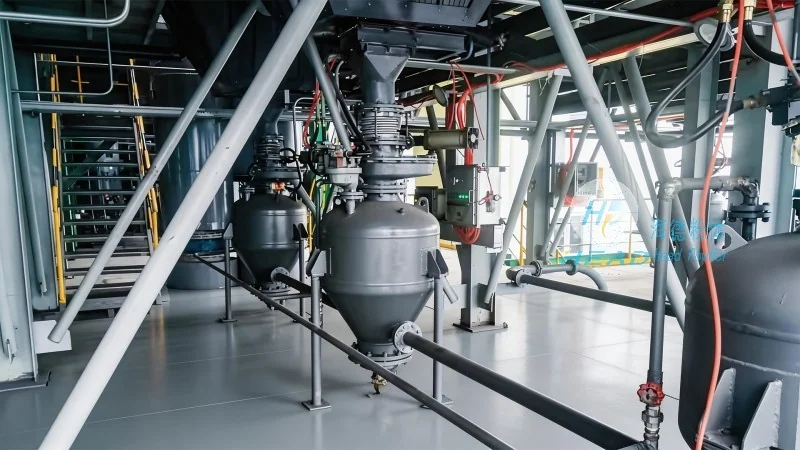
Material Handling Considerations: Corn Kernel Properties
Corn kernels have unique properties that affect system design. Their size (typically 8-12 mm in diameter), moisture content (usually 14-18%), and bulk density (around 660-720 kg/m³) must be considered when selecting equipment and determining system parameters. For example, higher moisture content can increase the material's stickiness, requiring specialized feeders or anti-stick coatings to prevent blockages. HeadPowder's expertise in agricultural material handling allows them to account for these properties, ensuring that the system is designed to handle the specific characteristics of corn kernels without compromising performance. The company also considers the impact of temperature and humidity on the material's behavior, as these factors can affect flowability and system efficiency.
Energy Efficiency and Maintenance: Long-Term Cost Considerations
Energy efficiency and maintenance are critical factors in the long-term operation of a pneumatic conveying system. HeadPowder designs systems with energy-saving features, such as variable frequency drives (VFDs) for air compressors, which adjust the air flow rate based on demand. This reduces energy consumption and lowers operating costs. Regular maintenance is also essential to ensure the system's longevity. HeadPowder provides comprehensive maintenance services, including routine inspections, cleaning, and component replacement, to minimize downtime and extend the system's lifespan. By focusing on energy efficiency and maintenance, the company helps clients achieve cost savings and reliable operation over the system's lifetime.
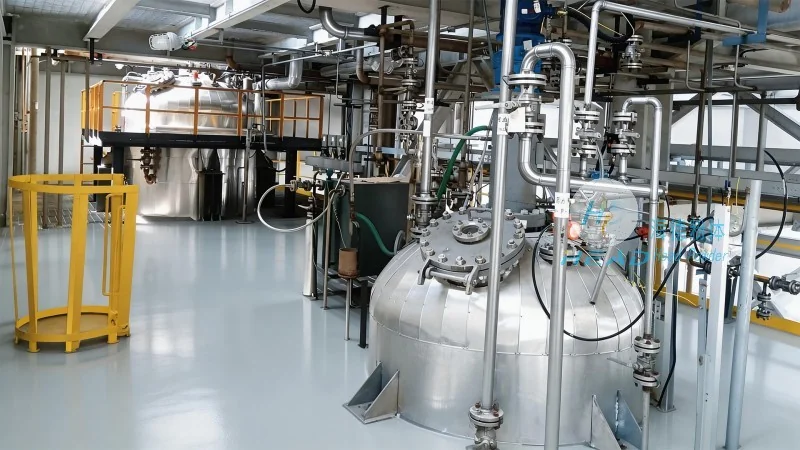
Case Study: Successful Implementation by HeadPowder
Shandong HeadPowder Engineering Co., Ltd. has successfully implemented corn kernels pneumatic conveying systems for several clients in China. For example, a corn processing plant in Shandong Province required a system to transport corn kernels from storage silos to a milling facility. HeadPowder designed a dense phase system with a capacity of 50 tons per hour, using stainless steel pipelines and specialized feeders to handle the corn kernels' properties. The system was installed and commissioned within a month, and it has been operating efficiently for over two years. The client reported significant cost savings due to reduced energy consumption and lower maintenance costs. This case study demonstrates HeadPowder's ability to provide tailored solutions that meet the specific needs of corn processing facilities, ensuring reliable and efficient material handling.
Conclusion: Tailored Solutions for Optimal Performance
In conclusion, designing a corn kernels pneumatic conveying system requires careful consideration of system type, design parameters, pipeline design, equipment selection, and material properties. Shandong HeadPowder Engineering Co., Ltd. leverages its expertise in agricultural engineering to provide comprehensive solutions that address the unique challenges of corn kernel handling. By focusing on efficiency, reliability, and long-term cost savings, HeadPowder helps clients achieve optimal performance in their material handling operations. Whether for new installations or system upgrades, HeadPowder's approach ensures that corn kernels are transported safely and efficiently, supporting the success of corn processing facilities.