For industries dealing with ceramic materials, efficient and reliable material handling is crucial. Pneumatic conveying systems offer a versatile approach to transporting ceramic particles, and there are several effective solutions tailored to different operational needs. This article explores key options for pneumatic conveying of ceramic particles, highlighting the advantages and practical applications of each approach.
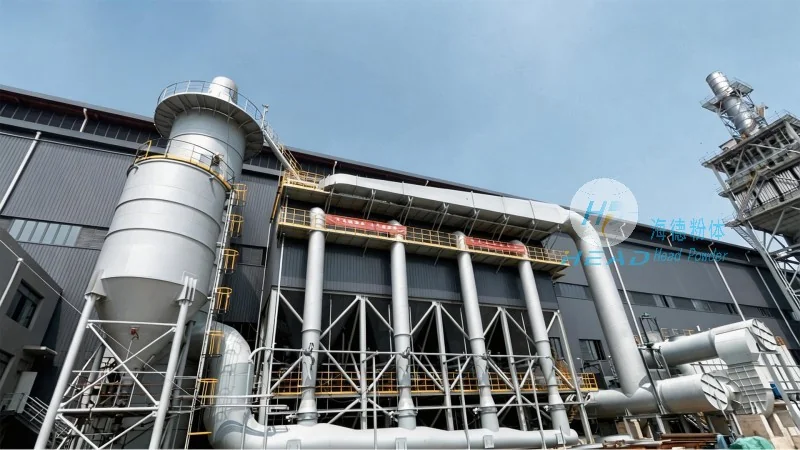
Understanding Ceramic Particles and Their Handling Challenges
Ceramic particles vary widely in size, shape, and density, which directly impacts the choice of conveying method. Common ceramic materials include alumina, silica, zirconia, and various composites. These particles often have abrasive properties, making equipment selection critical to prevent wear and ensure long-term system performance. Additionally, factors such as particle size distribution, moisture content, and the need for contamination-free transport influence the design of a pneumatic conveying system.
Option 1: Positive Pressure Conveying Systems
Positive pressure systems use a blower or compressor to generate air pressure that pushes material through the conveying line. This method is well-suited for applications requiring high material flow rates and long-distance transport. The primary advantage is the ability to handle abrasive materials without excessive wear on components. For ceramic particles, positive pressure systems can be configured with flexible hoses or rigid pipes, depending on the distance and layout of the conveying route. The system typically includes a hopper, feeder, and a series of elbows and straight sections to direct the material to the destination. HeadPowder, a leading provider in the field, offers customized positive pressure solutions that optimize efficiency and minimize downtime.
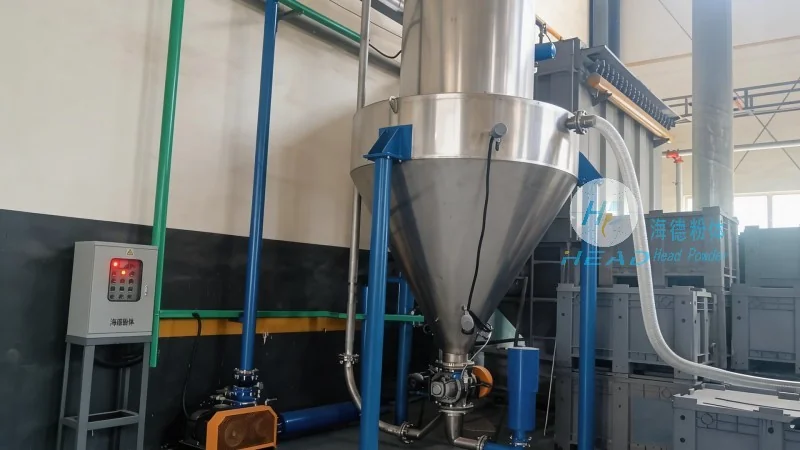
Option 2: Negative Pressure (Vacuum) Conveying Systems
Negative pressure systems use a vacuum pump to create a low-pressure environment that draws material from the source into the conveying line. This approach is ideal for applications where the material needs to be transported from multiple points or over shorter distances. The system is particularly effective for handling fine ceramic powders and preventing dust emissions. The design includes a hopper with a rotary valve or feeder, a vacuum pump, and a filter to capture any airborne particles. HeadPowder’s vacuum conveying solutions are engineered to maintain particle integrity and reduce contamination risks, making them suitable for pharmaceutical or food-grade ceramic applications.
Option 3: Hybrid (Combined) Conveying Systems
Hybrid systems combine elements of both positive and negative pressure methods, offering flexibility for complex material handling scenarios. These systems are often used when transporting ceramic particles over varying distances or when integrating multiple material sources. The hybrid approach allows for the use of positive pressure in the initial stages to boost material flow and negative pressure in the final stages to control dust and ensure precise delivery. HeadPowder specializes in designing hybrid systems that adapt to changing operational conditions, ensuring consistent performance and reduced maintenance costs.
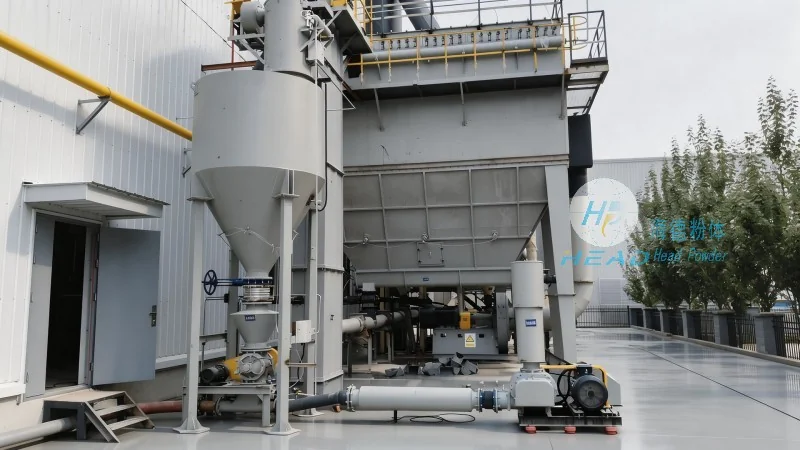
Key Considerations for Selecting the Right Pneumatic Conveying Solution
When choosing a pneumatic conveying system for ceramic particles, several factors must be evaluated. The first is the material's physical properties, including particle size, density, and abrasiveness. Next, the distance and layout of the conveying route determine whether a positive, negative, or hybrid system is most appropriate. Energy efficiency and operational costs are also critical considerations, as different systems have varying power requirements. Additionally, the need for dust control and material containment influences the design of the system, including the use of filters and sealed components. HeadPowder's engineering team provides comprehensive consultations to assess these factors and recommend the most suitable solution for each client's specific needs.
Conclusion: Tailored Solutions for Ceramic Particle Transport
Pneumatic conveying offers a robust and efficient method for handling ceramic particles, with several solutions available to meet diverse industrial requirements. Whether a positive pressure system is preferred for high-volume transport, a negative pressure system is needed for fine powders, or a hybrid system is required for complex operations, HeadPowder Engineering Co., Ltd. provides expert solutions tailored to the unique challenges of ceramic material handling. By focusing on material properties, operational efficiency, and long-term reliability, these systems ensure optimal performance and contribute to the overall success of industrial processes.




