HeadPowder, a leading engineering firm based in Shandong, China, specializes in the design and implementation of advanced pneumatic conveying systems tailored for kaolin processing. With a strong focus on efficiency, reliability, and cost-effectiveness, the company's solutions are engineered to meet the unique challenges of handling kaolin, a fine white clay widely used in various industrial applications such as paper, ceramics, and cosmetics. This article outlines the critical design considerations that ensure optimal performance and longevity of kaolin pneumatic conveying systems.
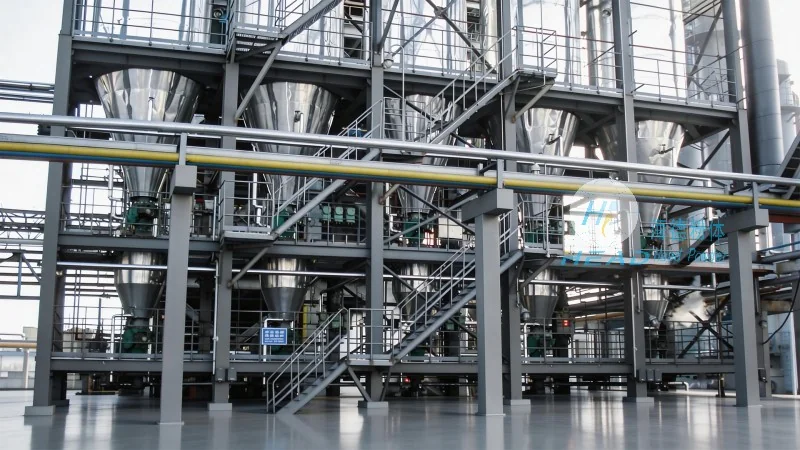
Understanding Kaolin and Its Handling Requirements
Kaolin, also known as china clay, is a naturally occurring clay mineral composed primarily of hydrated aluminum silicates. Its fine particle size and low bulk density make it particularly challenging to transport using traditional methods like belt conveyors or bucket elevators. Pneumatic conveying systems offer a superior alternative by utilizing air pressure to move kaolin particles through pipelines, minimizing material degradation and ensuring consistent flow rates. The design of a kaolin pneumatic conveying system must account for these material properties to prevent issues like clogging, particle degradation, and system inefficiencies.
Key Design Considerations for Kaolin Pneumatic Conveying Systems
The success of a kaolin pneumatic conveying system hinges on meticulous attention to several key design factors. First, the selection of the appropriate conveying type—whether it's a pressure or vacuum system—depends on the distance, elevation, and material characteristics. For long-distance or high-elevation transport, pressure systems are often preferred, as they can maintain consistent pressure to overcome resistance. Conversely, vacuum systems are suitable for shorter distances or when material needs to be drawn from multiple sources. HeadPowder engineers carefully evaluate these factors to recommend the most suitable system type for each client's specific needs.
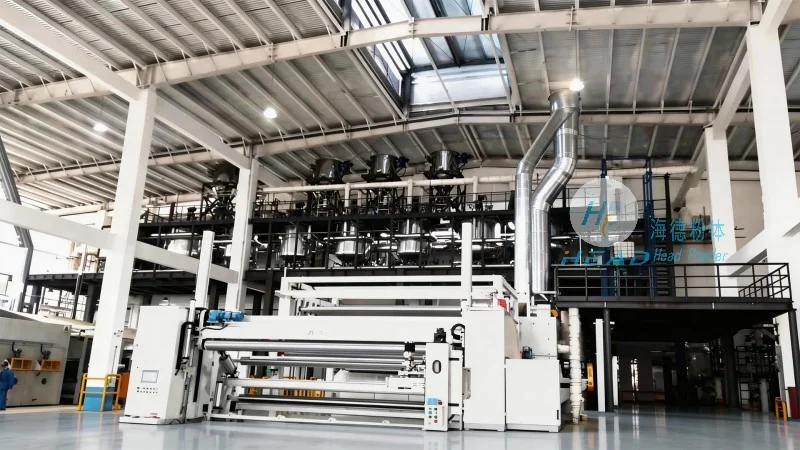
Second, the design of the pipeline network is critical. The diameter, length, and layout of the pipelines must be optimized to minimize pressure drop and prevent particle segregation. Kaolin particles are prone to settling, so maintaining a consistent air velocity is essential to keep the material in suspension. Engineers at HeadPowder use computational fluid dynamics (CFD) and empirical formulas to calculate the required air velocity and pressure drop, ensuring that the system operates within safe and efficient parameters.
Third, the choice of equipment, including blowers, cyclones, and filters, directly impacts system performance. High-efficiency blowers with appropriate air capacity and pressure are selected to match the conveying requirements. Cyclones are used for material separation and recovery, while high-quality filters prevent dust emissions and protect equipment from contamination. HeadPowder ensures that all equipment is selected to handle the specific properties of kaolin, such as its fine particle size and potential for agglomeration.
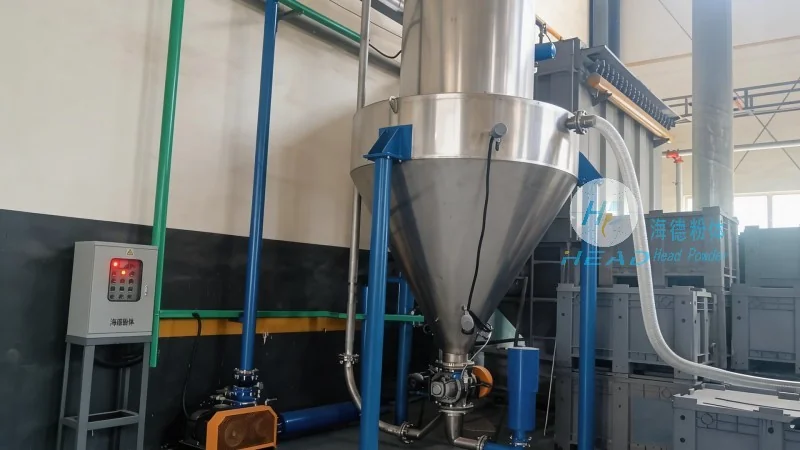
Fourth, the system's control and monitoring mechanisms are vital for maintaining optimal operation. Automated controls allow for real-time adjustment of air pressure, flow rate, and material feed, ensuring that the system adapts to varying production demands. Monitoring systems, including pressure sensors, flow meters, and particle size analyzers, provide valuable data for troubleshooting and preventive maintenance. This proactive approach helps minimize downtime and extends the lifespan of the equipment.
Fifth, material handling and storage considerations are also essential. Proper storage silos and feeders are designed to prevent material bridging and ensure a consistent feed rate to the conveying system. HeadPowder's engineers work closely with clients to integrate the conveying system with existing storage and processing facilities, ensuring seamless operation from raw material intake to final product delivery.
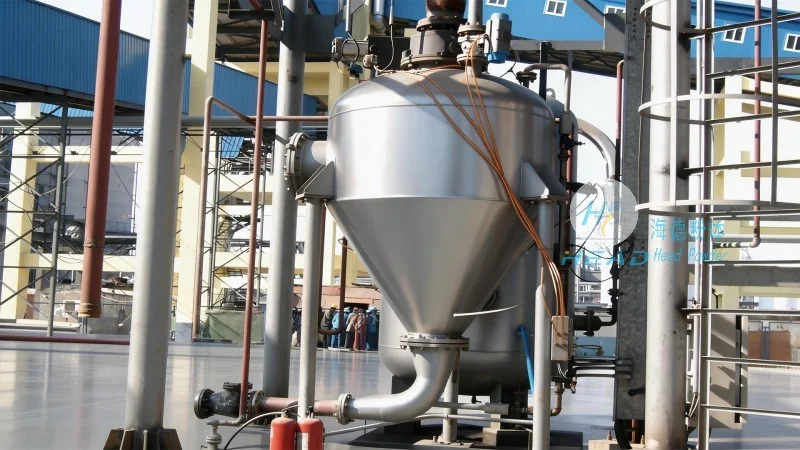
Customization and Integration Services
HeadPowder understands that each kaolin processing facility has unique operational requirements. Therefore, the company offers customized pneumatic conveying solutions tailored to specific production volumes, material characteristics, and site constraints. The design process involves detailed site surveys, material testing, and collaboration with clients to develop a system that meets their exact needs. Additionally, HeadPowder provides comprehensive integration services, ensuring that the new system works harmoniously with existing equipment and infrastructure. This approach minimizes disruption during installation and ensures a smooth transition to the new conveying system.
Benefits of Choosing HeadPowder for Kaolin Pneumatic Conveying Systems
Partnering with HeadPowder for kaolin pneumatic conveying system design and implementation offers numerous benefits. The company's expertise in handling fine materials like kaolin ensures that systems are optimized for efficiency and reliability. By reducing material degradation and minimizing downtime, HeadPowder's solutions help clients improve their overall productivity and reduce operational costs. The use of high-quality equipment and advanced control systems also enhances safety and compliance with environmental regulations. Furthermore, HeadPowder's commitment to customer support extends beyond the initial installation, with ongoing maintenance and technical assistance to ensure long-term system performance.




