Wheat bran, a byproduct of the milling process, is widely utilized in the food, animal feed, and pharmaceutical industries. Efficient and reliable powder conveying systems are essential for handling wheat bran and other similar bulk materials. This article provides an overview of a specialized wheat bran powder conveying system, detailing its structural design and operational principles.
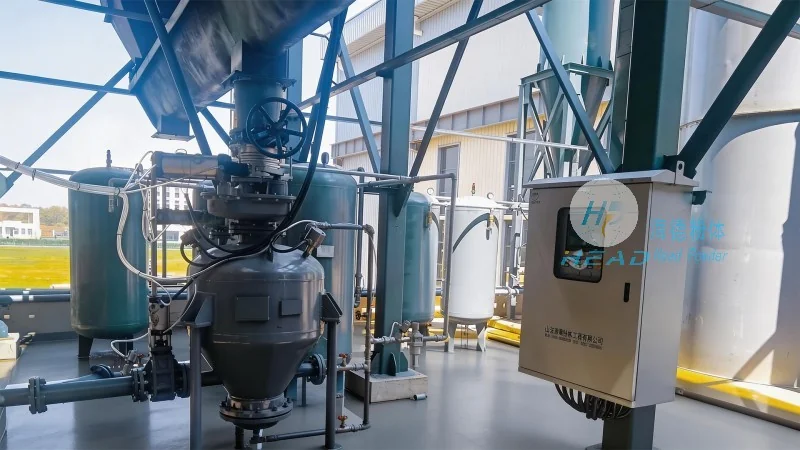
HeadPowder, a leading engineering company based in Shandong, China, specializes in the design and manufacturing of advanced powder handling solutions. The company's expertise lies in developing systems that ensure safe, efficient, and cost-effective material transport, particularly for sensitive materials like wheat bran. With a strong focus on industrial applications, HeadPowder's systems are engineered to meet the demands of various sectors, including food processing, feed production, and pharmaceutical manufacturing.
The wheat bran powder conveying system described here is a robust solution tailored for the transportation of wheat bran from storage silos or processing units to downstream equipment such as mixers, extruders, or packaging machines. The system is designed to handle the unique challenges associated with wheat bran, including its fine particle size, hygroscopic nature, and potential for dust generation.
System Structure and Components
The conveying system consists of several key components that work in tandem to ensure smooth and efficient material transport. The primary components include a hopper for material storage, a screw conveyor or pneumatic duct for transport, a dust collection system, and a control panel for operation and monitoring.
The hopper is typically made of stainless steel or other corrosion-resistant materials to prevent contamination and ensure durability. It is equipped with a discharge valve that allows controlled release of the wheat bran into the conveyor. The screw conveyor, often referred to as an auger, is the core transport mechanism. It consists of a rotating screw inside a cylindrical housing, which pushes the material forward through the system. The design of the screw, including its pitch and diameter, is optimized to handle the specific characteristics of wheat bran, minimizing blockages and ensuring consistent flow rates.
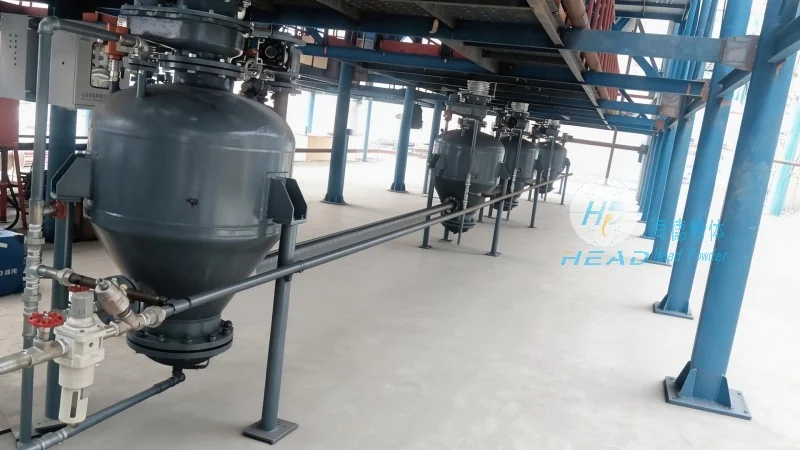
For systems requiring longer distances or more complex routing, a pneumatic conveying system may be employed. This involves using compressed air to transport the wheat bran through a network of pipes. The pneumatic system is particularly effective for handling fine powders and can be integrated with a cyclone separator to collect and return any material that is not fully conveyed.
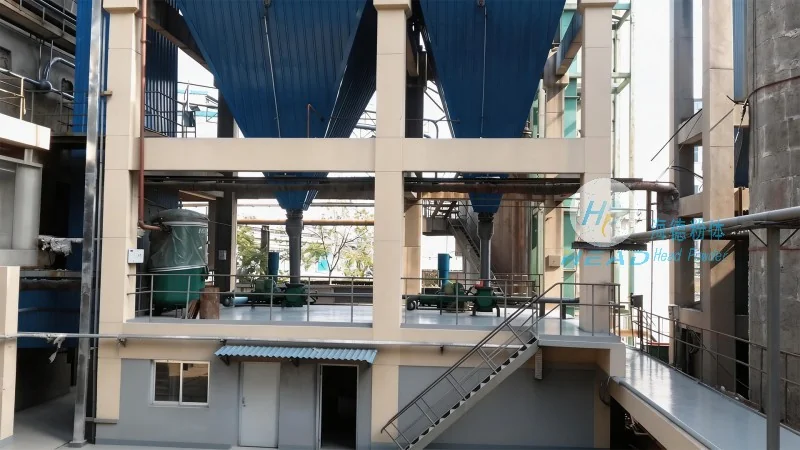
The dust collection system is a critical component for maintaining air quality and preventing dust explosions. It typically includes a filter or baghouse that captures airborne particles, ensuring compliance with safety regulations. The control panel allows operators to monitor system performance, adjust conveyor speed, and manage material flow, providing real-time feedback and control over the entire process.
Working Principles
The operation of the wheat bran powder conveying system follows a sequential process that ensures efficient material transport. The process begins with the loading of wheat bran into the hopper. The discharge valve is then opened, allowing the material to flow into the screw conveyor or pneumatic duct.
In the screw conveyor system, the rotating screw moves the wheat bran forward. The pitch of the screw determines the speed at which the material is transported; a larger pitch results in faster movement, while a smaller pitch allows for more controlled, gentle handling of the material. The system is designed to maintain a consistent flow rate, preventing overloading or underloading of the conveyor.
For pneumatic conveying systems, compressed air is introduced into the conveying line, creating a flow that propels the wheat bran through the pipes. The air velocity is carefully controlled to ensure that the material is fully entrained and transported without causing excessive wear on the system components. The cyclone separator at the end of the line separates the wheat bran from the air, allowing the material to be discharged into the receiving vessel while the air is filtered and recirculated.
The control panel plays a vital role in managing the system's operation. It monitors parameters such as conveyor speed, material level in the hopper, and air pressure in pneumatic systems. Operators can adjust these parameters as needed to optimize performance and ensure the system operates within safe limits. The system is also equipped with safety features, such as emergency stop buttons and overload protection, to prevent accidents and equipment damage.
Advantages and Applications
The wheat bran powder conveying system offers several advantages that make it suitable for various industrial applications. One of the key benefits is its ability to handle fine, hygroscopic materials like wheat bran without causing blockages or degradation. The system's design minimizes material degradation by reducing friction and maintaining gentle handling, which is crucial for maintaining the quality of the final product.
Another advantage is its flexibility in terms of system configuration. Whether a short-distance screw conveyor or a long-distance pneumatic system is required, the design can be customized to meet specific operational needs. This flexibility allows the system to be integrated into existing production lines or used as a standalone solution for material transport.
The system is widely used in the food industry for transporting wheat bran to mixers and extruders, where it is used as an ingredient in products such as bread, cereals, and animal feed. In the pharmaceutical industry, the system is used to transport wheat bran for use in dietary supplements or as a raw material in the production of certain medications. The system's ability to maintain product purity and prevent contamination makes it an ideal choice for these applications.
Furthermore, the system's energy efficiency and low maintenance requirements contribute to its cost-effectiveness. The screw conveyor design reduces energy consumption compared to other conveying methods, while the robust construction ensures long service life with minimal downtime. The dust collection system also helps to reduce operational costs by minimizing the need for frequent cleaning and maintenance.




