Electrode dust, also known as calcium carbide dust, is a byproduct generated during the production and processing of calcium carbide. This material is often mixed with other impurities and requires efficient handling and transportation for subsequent treatment or disposal. The gas-solid pneumatic conveying equipment designed for handling electrode dust offers a reliable solution to address these challenges.
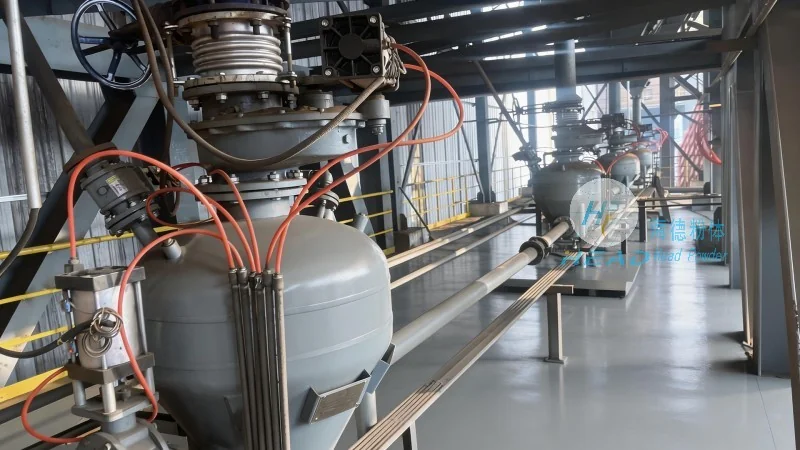
Overview of Electrode Dust Pneumatic Conveying Equipment
Electrode dust pneumatic conveying equipment is a specialized system engineered to transport dry powders, such as electrode dust, through a pipeline using air or other gas as the conveying medium. This technology eliminates the need for mechanical components like belts or buckets, reducing maintenance costs and operational complexity. The equipment is particularly suitable for applications where the material is abrasive, corrosive, or has a tendency to agglomerate, making it an ideal choice for the calcium carbide industry.
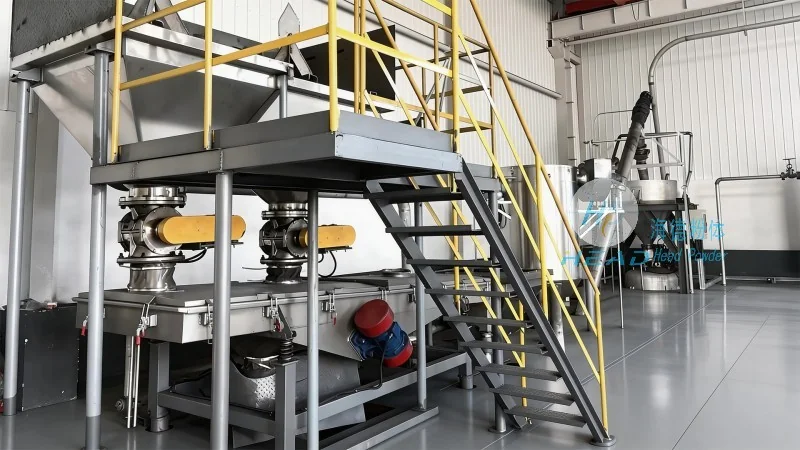
Key Components and Structure of the Pneumatic Conveying System
The pneumatic conveying system for electrode dust typically consists of several core components, each playing a critical role in the overall operation. The main parts include a dust collection hopper, a rotary airlock valve, a conveying pipeline, a pressure vessel (or receiver), and a blower or compressor. The dust collection hopper is designed to collect the electrode dust from the production line and feed it into the system. The rotary airlock valve acts as a gate to control the flow of material into the pipeline, preventing backflow and ensuring a steady supply of dust. The conveying pipeline is usually made of corrosion-resistant materials like stainless steel or plastic to withstand the abrasive nature of the dust. The pressure vessel is used to store the conveyed material and maintain the pressure within the system. The blower or compressor provides the necessary air pressure to move the dust through the pipeline.
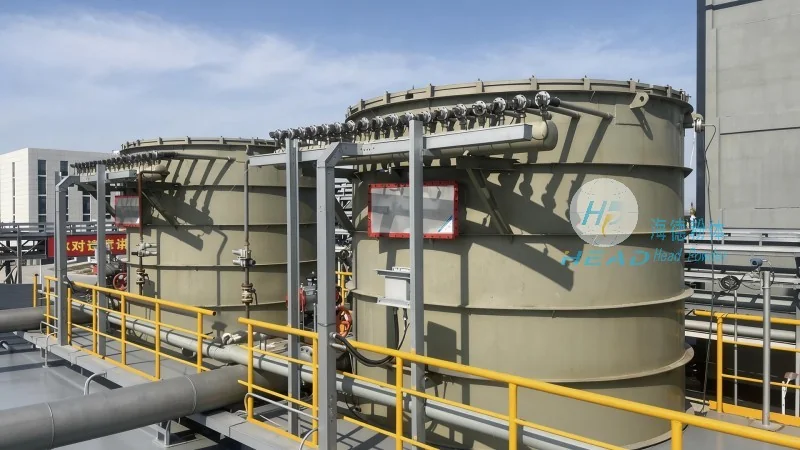
Working Principle of the Pneumatic Conveying Equipment
The operation of the electrode dust pneumatic conveying equipment follows a simple yet effective principle. The process begins with the dust being fed from the collection hopper into the rotary airlock valve. The valve opens to allow a controlled amount of dust to enter the conveying pipeline. Simultaneously, the blower or compressor generates a high-pressure air stream that travels through the pipeline. As the air and dust mixture moves through the pipeline, the air velocity is sufficient to keep the dust particles suspended and transported to the destination. The pressure vessel at the receiving end collects the conveyed dust, and the air is then filtered and discharged back into the environment. This closed-loop system ensures efficient and continuous transportation of electrode dust while minimizing dust emissions and environmental impact.
Advantages of Using Pneumatic Conveying for Electrode Dust
Compared to traditional mechanical conveying methods, the pneumatic conveying system for electrode dust offers several advantages. Firstly, it provides a dust-tight and enclosed operation, significantly reducing the risk of dust contamination and environmental pollution. Secondly, the system is highly flexible and can be easily integrated with existing production lines, allowing for seamless material handling. Thirdly, the equipment requires less maintenance as there are no moving parts in direct contact with the abrasive dust, leading to lower operational costs and longer service life. Additionally, the system can handle varying material flow rates and can transport dust over long distances without the need for intermediate transfer points.
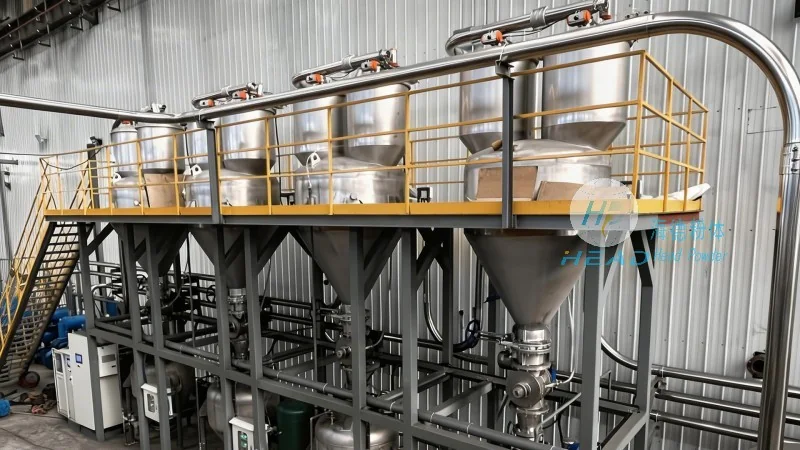
Application Scenarios and Performance Specifications
The electrode dust pneumatic conveying equipment is widely used in various industrial applications within the calcium carbide industry. It is commonly employed in factories that process calcium carbide, where the dust is generated during the crushing, grinding, and packaging stages. The equipment can transport the dust from the production area to a storage silo or a treatment facility for further processing. The performance specifications of the system typically include a conveying capacity ranging from 1 to 50 tons per hour, depending on the system size and the specific requirements of the application. The system can handle dust with a particle size ranging from 10 microns to several millimeters, and the conveying distance can vary from a few meters to several hundred meters. The pressure requirements of the system are usually between 0.5 to 2 bar, which can be adjusted based on the material properties and the distance to be covered.




