Ammonium acetate, a widely used chemical compound in various industrial applications, often requires efficient and reliable transportation methods. Pneumatic conveying systems have emerged as a preferred solution for handling such materials, offering advantages like dust-free operation, reduced material degradation, and enhanced safety. This article provides an overview of the pneumatic conveying equipment designed specifically for ammonium acetate, detailing its structural components and operational principles.
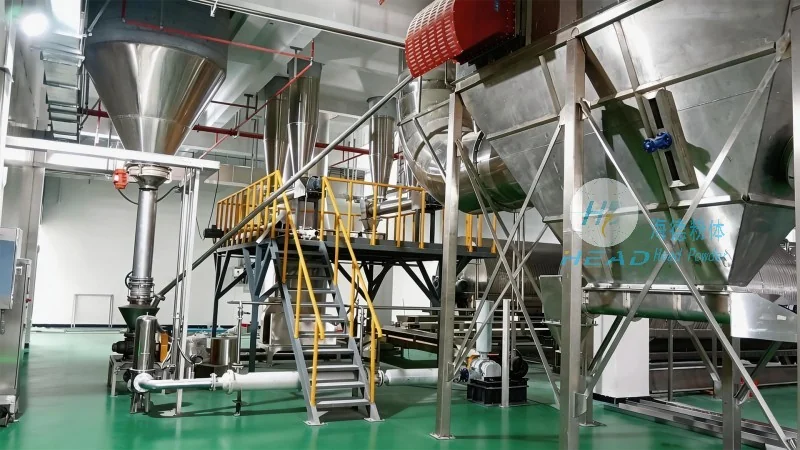
Company Profile: Shandong HeadPowder Engineering Co., Ltd.
HeadPowder, a leading manufacturer in the field of powder processing and conveying solutions, specializes in developing advanced equipment tailored to meet the unique demands of chemical and pharmaceutical industries. With a strong commitment to innovation and quality, the company has established itself as a trusted partner for businesses requiring efficient material handling systems. HeadPowder's headquarters is located in Shandong, China, where the company's research and development teams continuously work to enhance the performance and reliability of their products.
Key Components of Ammonium Acetate Pneumatic Conveying Systems
The pneumatic conveying equipment for ammonium acetate typically consists of several critical components that work in tandem to ensure smooth material transport. The main parts include the hopper, which serves as the storage and feeding unit, the air compressor or blower that generates the necessary air pressure, the pipeline system for transporting the material, and the receiver or discharge unit where the material is deposited. Each component plays a vital role in the overall functionality of the system.
Structural Design and Material Considerations
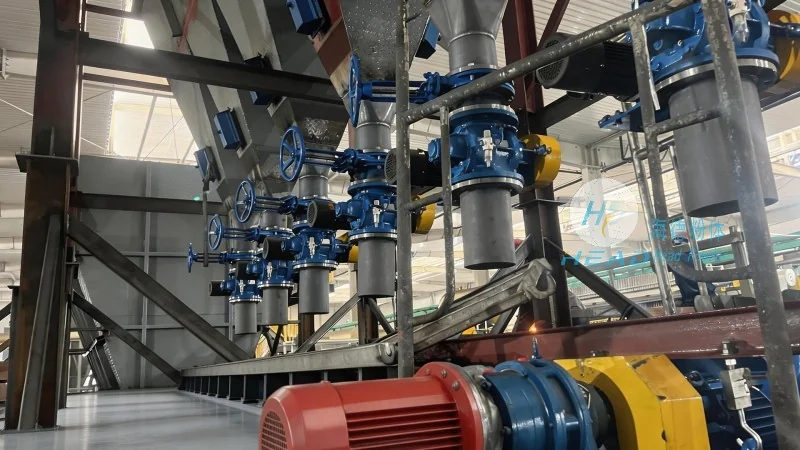
The structural design of the ammonium acetate pneumatic conveying equipment is carefully engineered to accommodate the specific properties of the material. Materials such as stainless steel and corrosion-resistant alloys are commonly used for the construction of the hopper and pipelines to prevent chemical reactions and ensure durability. The hopper is designed with a sloped bottom to facilitate uniform material flow, while the air inlet and outlet are strategically positioned to optimize the air-material mixture. The pipeline system is typically made of flexible or rigid tubing, depending on the application requirements, and is equipped with appropriate fittings and valves for controlling the flow rate and direction.
Working Principle of Pneumatic Conveying
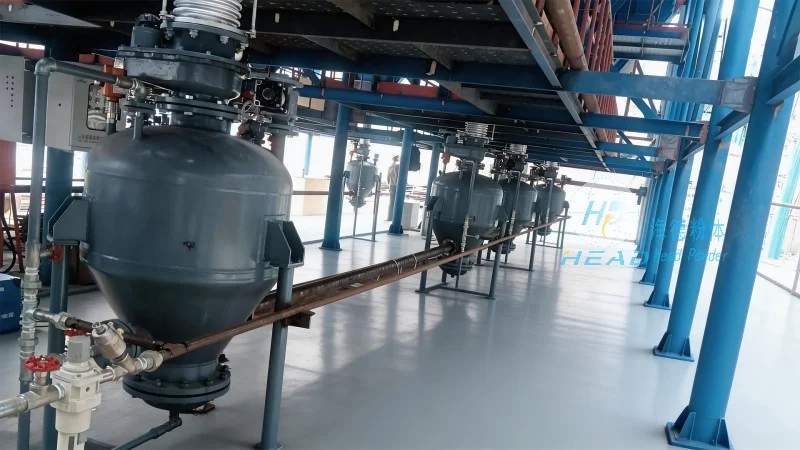
The operation of the ammonium acetate pneumatic conveying system relies on the principle of air flow to transport the material. The process begins with the material being fed from the hopper into the pipeline. Simultaneously, the air compressor generates a high-pressure air stream that is introduced into the pipeline. As the air flows through the system, it creates a low-pressure zone that draws the ammonium acetate particles into the air stream, forming a dense mixture. This mixture is then transported through the pipeline to the receiver, where the material is separated from the air by gravity or a filtration system. The air is then recycled back to the compressor, completing the cycle.
Advantages of Using Pneumatic Conveying for Ammonium Acetate
Compared to traditional methods like belt conveyors or bucket elevators, pneumatic conveying offers several advantages when handling ammonium acetate. The primary benefit is the ability to transport the material in a dust-free environment, which reduces the risk of contamination and improves workplace safety. Additionally, the system minimizes material degradation due to reduced friction and impact, which is crucial for maintaining the quality of the chemical. The compact design of the equipment also allows for easy integration into existing production lines, saving space and operational costs. Furthermore, the flexibility of the system enables it to handle varying material flow rates and different distances, making it suitable for diverse industrial applications.
Applications and Industries
The ammonium acetate pneumatic conveying equipment is widely used in various industries that require the handling of fine powders. In the chemical industry, it is employed in the production of pharmaceuticals, fertilizers, and other chemical products. The pharmaceutical sector utilizes this equipment for the transport of active ingredients and excipients, ensuring that the materials remain pure and uncontaminated. In the food industry, it is used for handling food-grade ammonium acetate used as a flavor enhancer or preservative. The equipment is also applicable in the agricultural sector for the distribution of ammonium acetate-based fertilizers, facilitating efficient and safe application.
Maintenance and Operational Tips
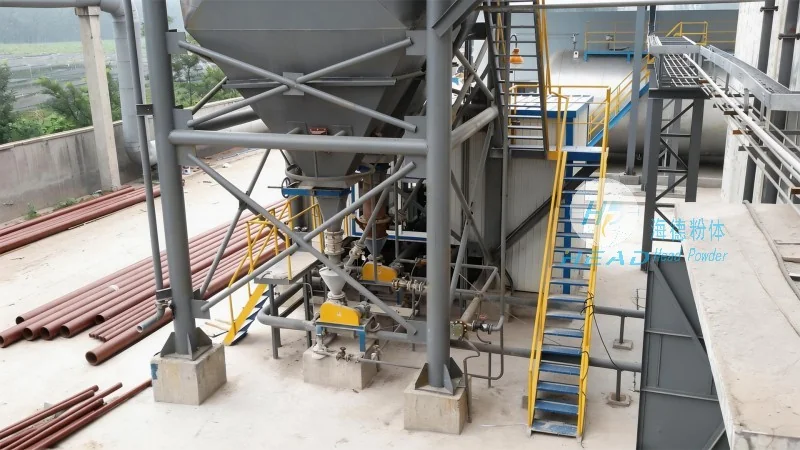
To ensure the optimal performance and longevity of the ammonium acetate pneumatic conveying system, regular maintenance is essential. The air compressor and blower should be checked regularly for proper functioning and lubrication. The pipelines and fittings should be inspected for any signs of wear or damage, and cleaned periodically to prevent clogging. The hopper and receiver should be emptied and cleaned after each use to avoid material buildup. Additionally, monitoring the air pressure and flow rate is crucial to maintain the efficiency of the system. By following these maintenance practices, the equipment can operate reliably and efficiently, minimizing downtime and operational costs.
Conclusion
Ammonium acetate pneumatic conveying equipment, as detailed in this article, represents a sophisticated solution for the efficient and safe handling of this important chemical compound. The combination of advanced structural design and operational principles ensures that the material is transported with minimal degradation and maximum safety. With the expertise of companies like Shandong HeadPowder Engineering Co., Ltd., businesses can benefit from reliable and high-performance conveying systems that meet their specific industrial needs. As the demand for efficient material handling continues to grow, such equipment plays a vital role in enhancing productivity and maintaining quality in various industries.




