

Types and Applications of Polyethylene Powder Pneumatic Conveying
When it comes to handling polyethylene powder, the choice of conveying method is critical for efficiency, safety, and cost-effectiveness. Pneumatic conveying, particularly for polyethylene powder, offers a range of solutions tailored to different operational needs. This article explores the types, key characteristics, and practical applications of polyethylene powder pneumatic conveying systems, providing insights into how these technologies enhance material handling processes in industrial settings.
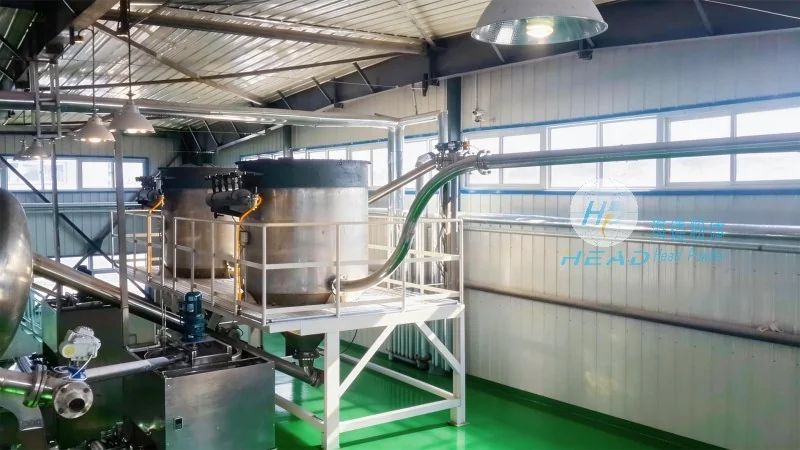
Understanding Polyethylene Powder Pneumatic Conveying Systems
Pneumatic conveying systems for polyethylene powder are designed to transport fine powders through a pipeline using air or other gases. The primary goal is to move the material from a source to a destination without the need for mechanical components like belts or buckets. These systems are categorized based on the direction of airflow and the pressure used, which directly impacts their performance and suitability for specific applications.
Types of Polyethylene Powder Pneumatic Conveying
There are two main categories of pneumatic conveying systems: pressure and vacuum. Each type has distinct features and is chosen based on factors such as the distance to be covered, the volume of material, and the required flow rate.
1. Pressure Conveying systems operate by blowing air or gas into the material to create a positive pressure that pushes the powder through the pipeline. This method is ideal for short to medium distances and high-volume applications. The pressure is maintained by a blower or compressor at the inlet, ensuring consistent flow. Pressure conveying is particularly effective for polyethylene powders due to its ability to handle abrasive materials and prevent clogging in the pipeline.
2. Vacuum Conveying systems, on the other hand, use a vacuum to draw the powder from the source into the pipeline. This approach is suitable for longer distances and applications where the material needs to be collected from multiple points. The vacuum is created by a fan or pump at the receiving end, pulling the powder through the line. Vacuum systems are often preferred for polyethylene powder when the material is to be transported from a storage silo or a production line to a processing unit.
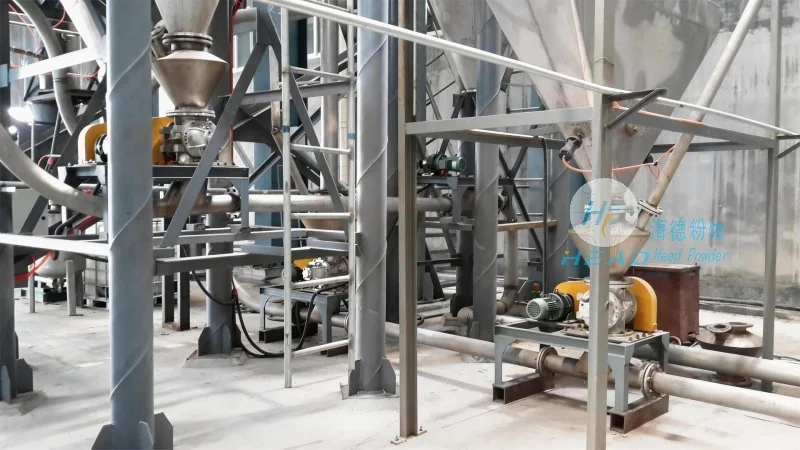
Key Features of Polyethylene Powder Pneumatic Conveying
Several key features make pneumatic conveying an attractive option for polyethylene powder handling:
- Efficiency and Speed: Pneumatic systems can transport polyethylene powder at high speeds, reducing overall processing time compared to traditional methods like bucket elevators or screw conveyors.
- Low Maintenance: Unlike mechanical conveyors, pneumatic systems have fewer moving parts, leading to lower maintenance costs and longer operational life.
- Flexibility: These systems can be easily reconfigured or expanded to accommodate changes in production volume or layout, making them adaptable to evolving industrial needs.
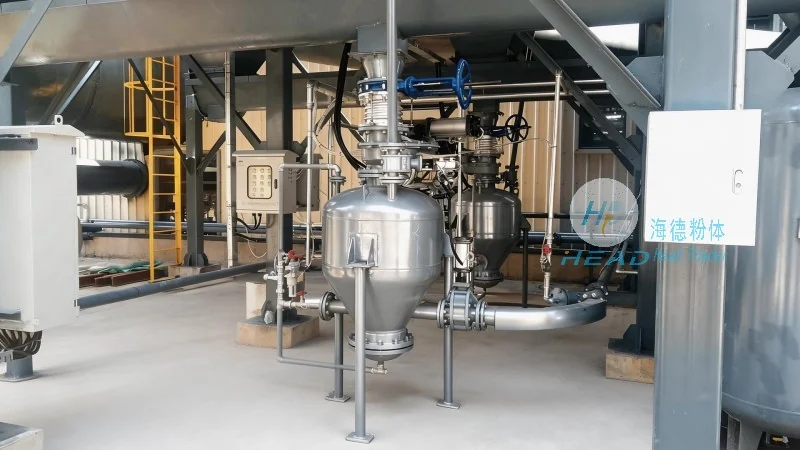
- Reduced Downtime: With no mechanical components to wear out or break, pneumatic conveying minimizes downtime and ensures continuous operation, which is crucial for maintaining production schedules.
Application Ranges of Polyethylene Powder Pneumatic Conveying
Polyethylene powder pneumatic conveying is widely used across various industries due to its versatility and effectiveness. The following are some common application ranges:
1. Plastic Manufacturing: In the production of polyethylene-based plastics, pneumatic conveying is used to transport raw powder from storage silos to extrusion or molding machines. This ensures a consistent feed rate, which is essential for maintaining product quality and reducing waste.
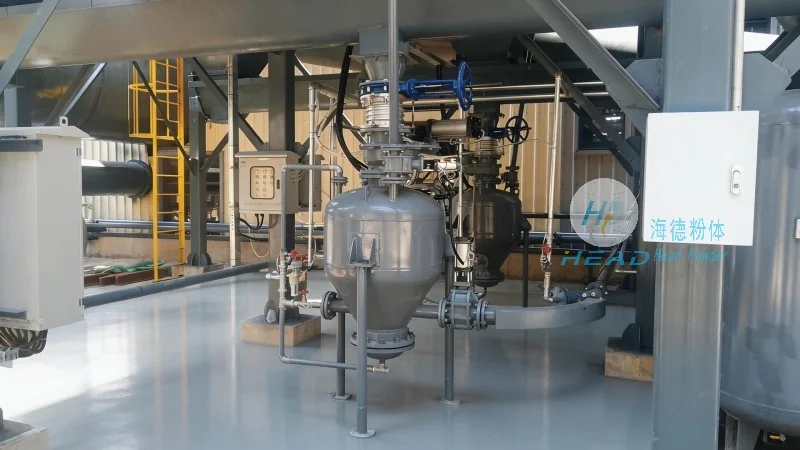
2. Chemical Processing: Chemical plants that handle polyethylene powders use pneumatic systems to move the material between reactors, storage tanks, and packaging lines. The ability to handle abrasive and potentially hazardous materials makes this method ideal for chemical applications.
3. Food and Pharmaceutical Industries: Although polyethylene is not typically used in food products, the principles of pneumatic conveying are applied to similar powders in these sectors. The systems are designed to maintain hygiene and prevent contamination, ensuring compliance with industry regulations.
4. Construction Materials: Polyethylene powders are sometimes used in construction applications, such as additives in concrete or coatings. Pneumatic conveying helps transport these materials to construction sites efficiently, supporting large-scale projects.
Conclusion
Pneumatic conveying systems for polyethylene powder offer significant advantages in terms of efficiency, flexibility, and maintenance. By understanding the different types and key features, industries can select the most suitable system for their specific needs. As a leading provider in this field, Shandong HeadPowder Engineering Co., Ltd. specializes in designing and manufacturing customized pneumatic conveying solutions that meet the unique requirements of each client. With a focus on quality and innovation, HeadPowder ensures that polyethylene powder handling is both effective and reliable, supporting the success of industrial operations worldwide.