Welcome to Shandong HeadPowder Engineering Co., Ltd., a leading provider in the field of solid powder pneumatic conveying systems. Based in Shandong, China, our company specializes in the design, manufacturing, and implementation of advanced pneumatic conveying solutions tailored for various industrial applications. This article provides an overview of the fundamental concepts, structural components, and operational principles behind solid powder pneumatic conveying, offering insights into how these systems efficiently transport bulk solid materials through a gas stream.
Understanding Solid Powder Pneumatic Conveying
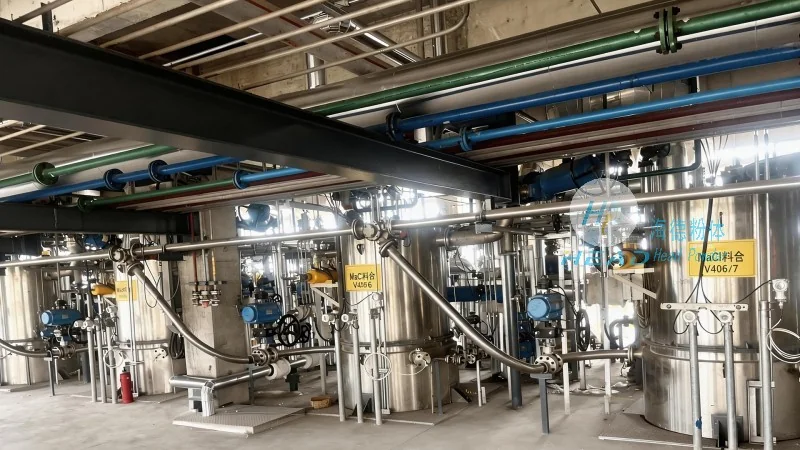
Solid powder pneumatic conveying is a method of transporting dry bulk materials, such as powders, granules, and fine particles, using a pressurized or vacuum gas stream. Unlike traditional mechanical conveying systems that rely on belts, screws, or buckets, pneumatic conveying utilizes air or other gases to move materials through pipes or ducts. This technology is widely adopted across industries including pharmaceuticals, food processing, chemical manufacturing, and mining due to its flexibility, ability to handle delicate materials, and reduced risk of contamination.
Key Structural Components of Pneumatic Conveying Systems
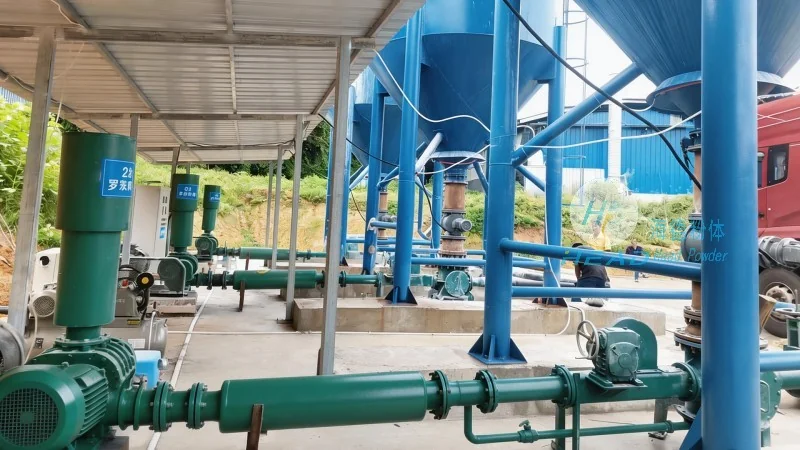
A typical solid powder pneumatic conveying system consists of several essential components that work in concert to ensure efficient material transport. The primary components include the material feed hopper, the conveying line (pipes or ducts), the air supply system (blowers or compressors), and the control valves. The material feed hopper is responsible for storing and feeding the solid powder into the system, often equipped with a rotary valve or a gate valve to regulate the flow rate. The conveying line, made from materials like stainless steel or plastic, is designed to withstand the pressure and temperature conditions of the gas stream. The air supply system generates the necessary pressure or vacuum to move the material through the line, with blowers or compressors providing the required airflow. Control valves, such as check valves or flow control valves, are used to regulate the air flow and prevent backflow, ensuring smooth operation of the system.
Operational Principles and Types of Pneumatic Conveying
The operational principle of solid powder pneumatic conveying is based on the interaction between the solid particles and the gas stream. In a pressurized system, the gas is forced through the conveying line, carrying the solid particles along with it. The velocity of the gas must be sufficient to overcome the gravitational forces acting on the particles and maintain their suspension. In a vacuum system, the gas is drawn through the line, creating a negative pressure that pulls the material from the source. The two main types of pneumatic conveying are dilute phase and dense phase. Dilute phase systems operate at higher velocities, with particles suspended in the gas stream, suitable for long-distance transport. Dense phase systems operate at lower velocities, with particles moving in a plug or slurry-like state, ideal for handling sensitive or abrasive materials.
Advantages and Applications of Pneumatic Conveying
Solid powder pneumatic conveying offers numerous advantages over traditional mechanical conveying methods. These include the ability to handle a wide range of materials, including those that are abrasive, corrosive, or sensitive to moisture. The system is also flexible, allowing for changes in material flow rates and distances without significant modifications. Additionally, pneumatic conveying systems can be designed to minimize contamination, making them suitable for applications in the pharmaceutical and food industries. The technology is widely used in the transportation of powders such as flour, cement, plastic resin, and pharmaceutical powders. In the chemical industry, it is employed for the handling of reactive or hazardous materials. The mining sector utilizes pneumatic conveying for transporting ore and minerals from processing plants to storage facilities.
Design Considerations and Maintenance
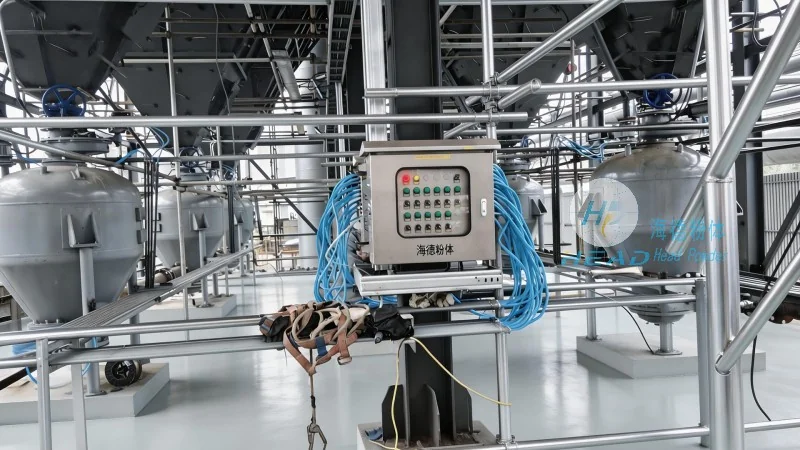
Designing an effective solid powder pneumatic conveying system requires careful consideration of several factors, including the material properties, the required transport distance, and the system's operating conditions. Material properties such as particle size, density, and flowability significantly impact the system's performance. The design must ensure that the gas velocity is sufficient to maintain particle suspension while minimizing energy consumption. Additionally, the system must be constructed from materials that are compatible with the conveyed materials to prevent corrosion or contamination. Regular maintenance is crucial to ensure the longevity and efficiency of the system. This includes inspecting and cleaning the conveying lines, replacing worn-out components, and monitoring the performance of the air supply system. Proper maintenance can prevent system failures, reduce downtime, and extend the lifespan of the equipment.
Conclusion
Solid powder pneumatic conveying is a versatile and efficient technology for transporting bulk solid materials. With its ability to handle a wide range of materials and its flexibility in design, it has become an essential component in many industrial processes. Shandong HeadPowder Engineering Co., Ltd. specializes in providing customized pneumatic conveying solutions tailored to the specific needs of our clients. By understanding the structural components and operational principles of these systems, industries can optimize their material handling processes, improve efficiency, and reduce operational costs. As a leading provider in the field, we are committed to delivering high-quality, reliable pneumatic conveying systems that meet the demands of modern industrial applications.




