For industrial applications, the efficient handling of soybean protein powder is crucial for maintaining product quality and operational productivity. The soybean protein powder material conveying line, designed by Shandong HeadPowder Engineering Co., Ltd., is a specialized system engineered to meet these demands. This article provides a detailed overview of the operation process and working principles of such a conveying line, highlighting its key components and functional mechanisms.
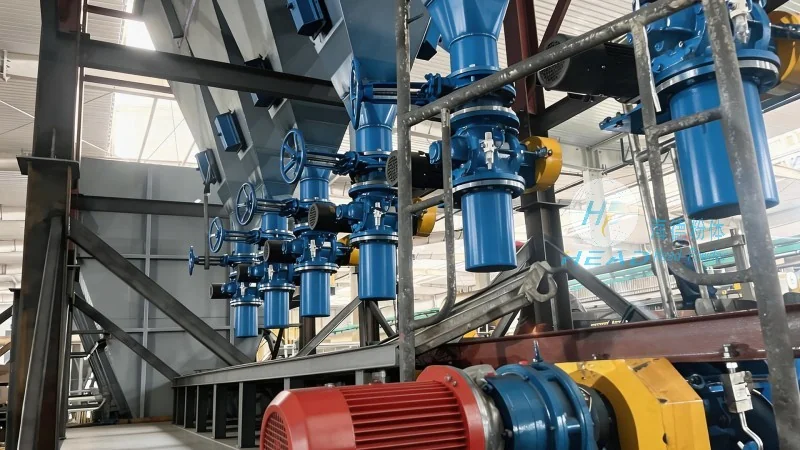
Introduction to the Soybean Protein Powder Conveying Line
The soybean protein powder conveying line is a critical piece of equipment in the food processing and industrial manufacturing sectors. It is specifically engineered to handle the unique properties of soybean protein powder, which includes its fine particle size, hygroscopic nature, and potential for dust generation. The system is designed to ensure safe, efficient, and hygienic material transport from storage to processing or packaging stages. HeadPowder, as a leading manufacturer in this field, has developed this line to address the challenges associated with handling such powders, ensuring minimal product loss, contamination, and operational downtime.
Key Components of the Conveying Line
The conveying line typically consists of several integrated components that work in tandem to achieve seamless material transport. These components include:
1. Storage Hopper: The system begins with a storage hopper, which is used to store the bulk soybean protein powder. The hopper is designed with a sloped bottom to facilitate material flow and is equipped with a discharge valve or gate to control the release of powder into the conveying system.
2. Pneumatic Conveying System: This is the core of the material transport mechanism. The pneumatic system uses compressed air to move the powder through a network of pipes. It includes components such as air blowers, dust collectors, and flexible hoses or rigid pipes. The system is designed to handle the fine particles of soybean protein powder, ensuring minimal clogging and efficient transport.
3. Control Panel: An integrated control panel allows operators to monitor and adjust the conveying process. It includes sensors for flow rate, pressure, and level, as well as controls for the air blower and other components. This ensures precise control over the material transport, optimizing efficiency and preventing overloading or underloading.
4. Discharge and Dosing Unit: At the end of the conveying line, the powder is discharged into a dosing unit or directly into processing equipment. The dosing unit ensures accurate and consistent feeding of the powder, which is essential for maintaining product quality and process consistency.
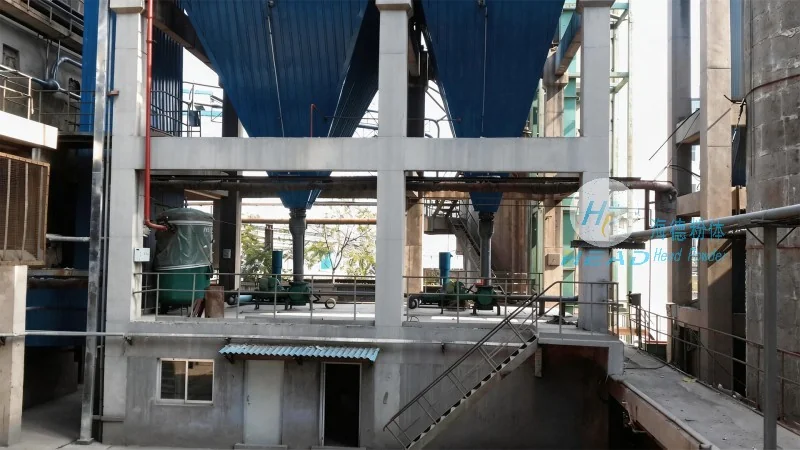
Operation Process of the Conveying Line
The operation of the soybean protein powder conveying line follows a systematic process, starting from the initial storage and ending with the final discharge. The steps are as follows:
1. Material Loading: The soybean protein powder is loaded into the storage hopper from bulk storage containers. The hopper is filled to an appropriate level, ensuring that the powder can flow freely when the discharge valve is opened.
2. Initial Conveying: When the system is activated, the control panel signals the air blower to start. Compressed air is introduced into the conveying line, creating a pressure differential that draws the powder from the hopper into the pipes.
3. Transport Through the Line: The powder is carried through the network of pipes by the moving air stream. The system may include multiple sections, such as vertical and horizontal pipes, to navigate the layout of the facility. The air flow rate is controlled to ensure the powder is transported at an optimal speed, minimizing particle degradation and ensuring consistent flow.
4. Filtering and Cleaning: As the powder travels through the line, it passes through a dust collector or filter system. This component captures any fine particles or dust that may have been generated during the conveying process, ensuring that the final product remains clean and free from contaminants.
5. Discharge and Dosing: Once the powder reaches the end of the line, it is discharged into the dosing unit. The dosing unit then feeds the powder into the next stage of the production process, such as mixing, packaging, or further processing. The control panel monitors the flow rate and adjusts the air pressure as needed to maintain consistent dosing.
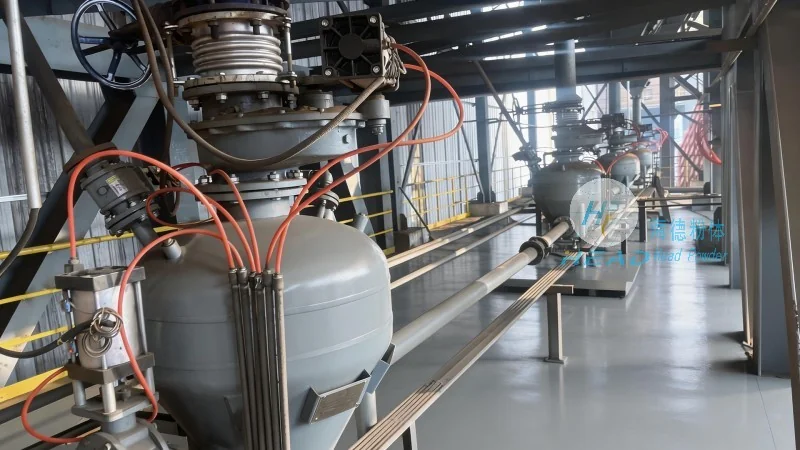
Working Principle of the Conveying Line
The working principle of the soybean protein powder conveying line is based on the principles of pneumatic transport. The system utilizes compressed air to create a flow that moves the powder particles through the conveying pipes. The key aspects of this principle include:
1. Air Pressure and Flow Rate: The air blower generates a high-pressure air stream that creates a pressure differential between the hopper and the discharge point. The flow rate of the air is carefully controlled to ensure that the powder particles are carried along with the air without settling or clogging the pipes.
2. Particle Suspension: The fine particles of soybean protein powder are suspended in the air stream, allowing them to be transported over long distances without the need for mechanical conveyors. This method is particularly effective for handling powders that are prone to clogging or degradation.
3. System Efficiency: The design of the conveying line is optimized for efficiency, minimizing energy consumption and maximizing material throughput. The use of flexible hoses and adjustable pipe sections allows for easy installation and adaptation to different facility layouts.
4. Hygiene and Maintenance: The system is designed with hygiene in mind, featuring smooth surfaces and easy-to-clean components. Regular maintenance, including cleaning of the hopper, pipes, and filter system, is essential to maintain the efficiency and longevity of the conveying line.
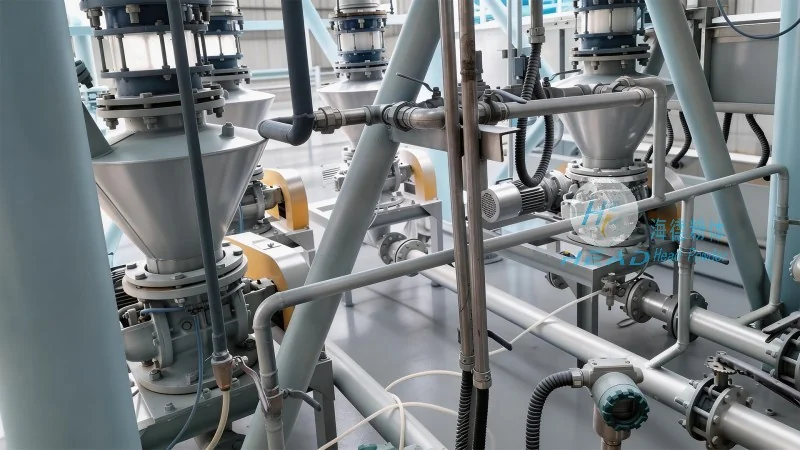
Benefits of Using the Soybean Protein Powder Conveying Line
The soybean protein powder conveying line offers several benefits for industrial operations, including:
1. Improved Product Quality: By minimizing product contact with equipment and reducing the risk of contamination, the system helps maintain the quality and purity of the soybean protein powder.
2. Increased Operational Efficiency: The automated and controlled nature of the system reduces labor costs and minimizes downtime, leading to higher productivity.
3. Reduced Material Loss: The precise control over material flow and dosing reduces waste and ensures that the entire batch of powder is utilized effectively.
4. Enhanced Safety: The pneumatic system eliminates the need for manual handling of powders, reducing the risk of dust exposure and related health hazards.
Conclusion
The soybean protein powder material conveying line, developed by Shandong HeadPowder Engineering Co., Ltd., is a sophisticated and efficient system designed to handle the unique challenges of soybean protein powder transport. By integrating advanced components and a systematic operation process, the line ensures reliable, hygienic, and high-quality material handling. For industries relying on soybean protein powder, this system is a critical investment that enhances operational efficiency, product quality, and overall safety.




