Seaweed residue, a byproduct of various marine processing activities, often requires efficient handling and transportation to facilitate further processing or disposal. The granular material conveying line designed by Shandong HeadPowder Engineering Co., Ltd. addresses these needs through a systematic approach that ensures reliable and consistent operation. This article details the operation process and working principle of such a system, highlighting the key components and their interplay in moving seaweed residue efficiently.
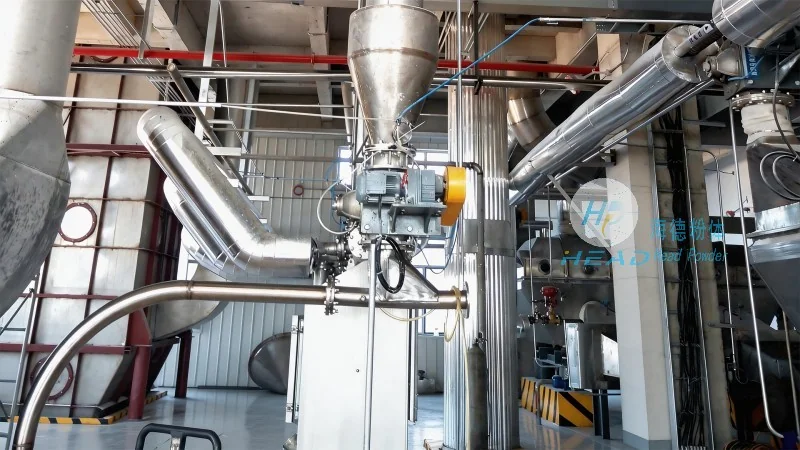
Company Overview
HeadPowder, the abbreviation for Shandong HeadPowder Engineering Co., Ltd., is a professional manufacturer based in Shandong, China. With a focus on engineering solutions for material handling, the company specializes in designing and supplying equipment tailored to the unique requirements of industrial applications, including those involving organic residues like seaweed. The company's commitment to quality and innovation has positioned it as a trusted partner in the field of material conveying systems.
Overview of the Seaweed Residue Granular Material Conveying Line
The conveying line for seaweed residue granules is a comprehensive system engineered to handle the specific characteristics of this material. It typically comprises several interconnected components, each playing a crucial role in the overall process. The system is designed to ensure that the granular material is transported from the source to the destination with minimal loss, maximum efficiency, and adherence to safety standards. Key features include robust construction, adjustable speed controls, and integrated monitoring capabilities to maintain optimal performance.
Step-by-Step Operation Process
The operation of the seaweed residue granular material conveying line follows a structured sequence of steps that ensure smooth and continuous material flow. The process begins with the intake of raw seaweed residue, which is usually collected in bulk storage or processing facilities. The material is then fed into the initial hopper or feeder, where it is evenly distributed before entering the primary conveying mechanism. This initial stage is critical for preventing blockages and ensuring consistent material feed.
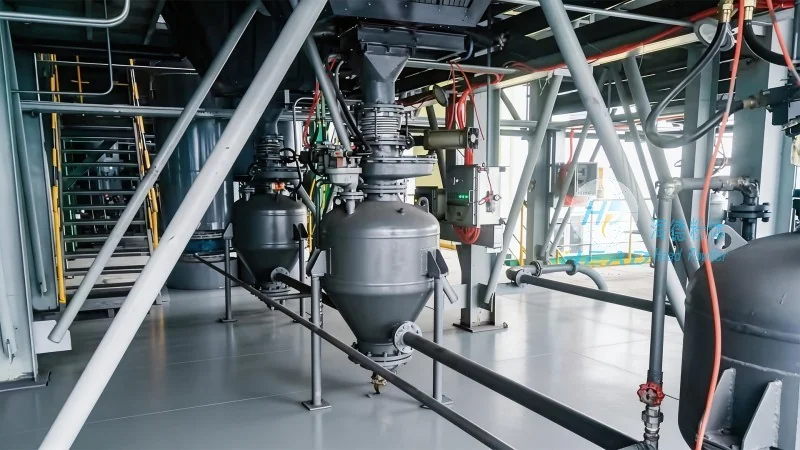
Once the material is properly fed, it moves into the main conveying section, which may utilize various technologies such as screw conveyors, belt conveyors, or pneumatic systems, depending on the specific design. The chosen method is optimized for the density, moisture content, and particle size of the seaweed residue, ensuring effective movement without degradation of the material. As the granules travel through the conveyor, they are guided along the intended path by the system's structural components, such as guide rails or chutes.
During transit, the conveying line may incorporate additional features like vibration or agitation devices to prevent material settling or bridging, which are common issues with granular organic materials. These features help maintain a steady flow rate and prevent operational disruptions. At the receiving end, the material is discharged into a designated container or processing unit, completing the transportation cycle. The entire process is typically automated, with sensors and control panels monitoring key parameters such as flow rate, pressure, and temperature to ensure that the system operates within safe and efficient parameters.
Working Principle of Key Components
The effectiveness of the seaweed residue granular material conveying line is largely attributed to the working principles of its core components. Each part is engineered to perform a specific function, and their integration ensures the seamless operation of the system. The initial feeding mechanism, often a hopper or rotary feeder, operates on the principle of gravity-assisted material flow. By controlling the opening size and angle of the hopper, the system regulates the rate at which seaweed residue enters the conveyor, preventing overloading and maintaining a steady feed.
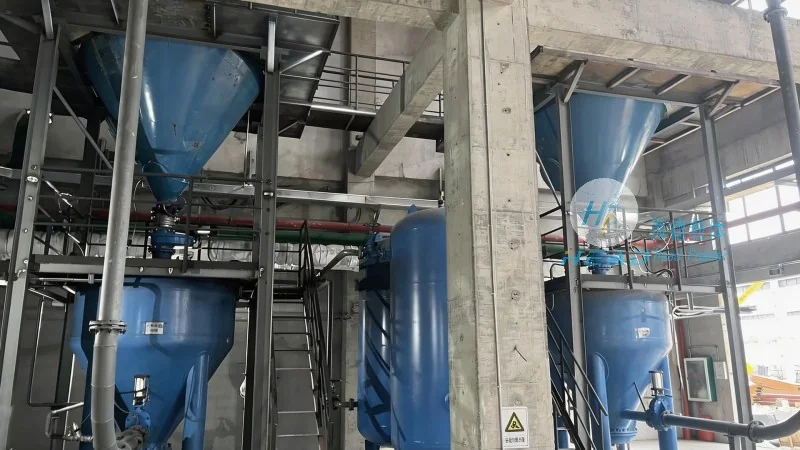
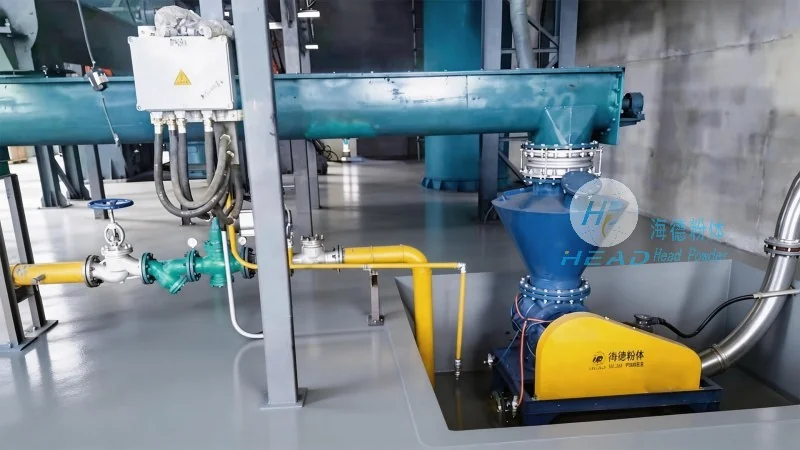
The conveying mechanism itself, whether a screw conveyor or a belt conveyor, relies on mechanical energy to move the material. In a screw conveyor, for example, a rotating helical screw pushes the granules forward along the trough. The pitch and diameter of the screw are carefully selected to match the material's characteristics, ensuring that the material is moved without excessive pressure or friction. This mechanical action is efficient for handling dry or slightly moist granular materials, as seen in seaweed residue.
For systems that incorporate pneumatic conveying, the working principle involves the use of compressed air to transport the material through a pipeline. The granules are suspended in the air stream and carried to the destination. This method is particularly effective for fine or dusty materials but requires careful control of air pressure and flow rate to prevent material deposition or system blockages. The choice of conveying technology depends on factors such as the distance to be covered, the material's properties, and the required throughput.
Control systems play a vital role in the overall operation, using sensors to monitor parameters like flow rate, pressure, and temperature. These sensors feed data to a control panel, which adjusts the system's settings in real-time to maintain optimal performance. For instance, if the flow rate decreases, the control system may increase the motor speed or adjust the feeder opening to restore the desired throughput. This feedback loop ensures that the conveying line operates consistently and efficiently, even under varying load conditions.
Benefits and Applications
The seaweed residue granular material conveying line offers several advantages for industrial applications. Its design allows for the efficient handling of large volumes of material, reducing labor costs and improving operational efficiency. The system's robust construction ensures durability and long-term reliability, even in harsh environments where seaweed residue may be wet or contain debris. Additionally, the modular design of the conveying line enables easy integration with existing processing facilities, minimizing downtime during installation.
Applications of this system are widespread in industries that process seaweed, such as biofuel production, fertilizer manufacturing, and marine biotechnology. In biofuel plants, for example, the conveying line transports seaweed residue to the pretreatment or fermentation stages, where it is converted into biofuels. In fertilizer production, the material is moved to composting or drying units, where it is processed into high-quality organic fertilizers. The system's adaptability to different processing stages makes it a versatile solution for various industrial needs.
Conclusion
The operation process and working principle of the seaweed residue granular material conveying line, as designed by Shandong HeadPowder Engineering Co., Ltd., represent a sophisticated solution for handling organic residues. By integrating advanced engineering principles and robust components, the system ensures efficient, reliable, and safe transportation of seaweed residue. The company's expertise in material handling, combined with its commitment to quality, makes it a leading provider of such systems in the industry. As industries continue to seek sustainable solutions for waste management and resource utilization, the seaweed residue conveying line remains a critical component in the processing chain, contributing to both operational efficiency and environmental sustainability.




