

Operation Process and Working Principle of Dry Powder Mortar Material Conveying Line
For construction and building material industries, efficient and reliable material handling is crucial for maintaining production efficiency and product quality. The dry powder mortar material conveying line, a specialized system designed for transporting bulk dry powder materials like mortar, cement, and additives, plays a vital role in modern manufacturing processes. This article will explore the operation process and working principle of such a system, highlighting its key components, operational steps, and the technological advancements that enhance its performance.
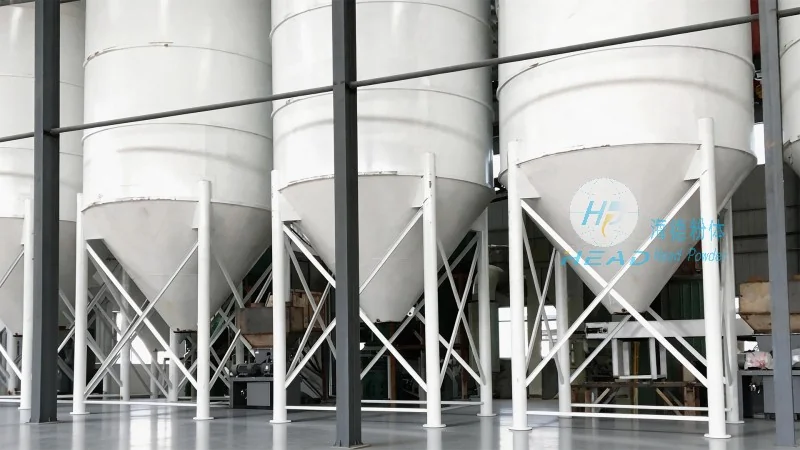
Key Components of the Dry Powder Mortar Conveying Line
The dry powder mortar material conveying line typically consists of several essential components that work in tandem to ensure smooth material transport. These components include a hopper for material storage, a screw conveyor or pneumatic conveyor system for material movement, a control panel for operational management, and a dust collection system to maintain air quality and prevent material loss. Each component is carefully designed to handle the specific characteristics of dry powder materials, such as their fine particle size and potential for dust generation.
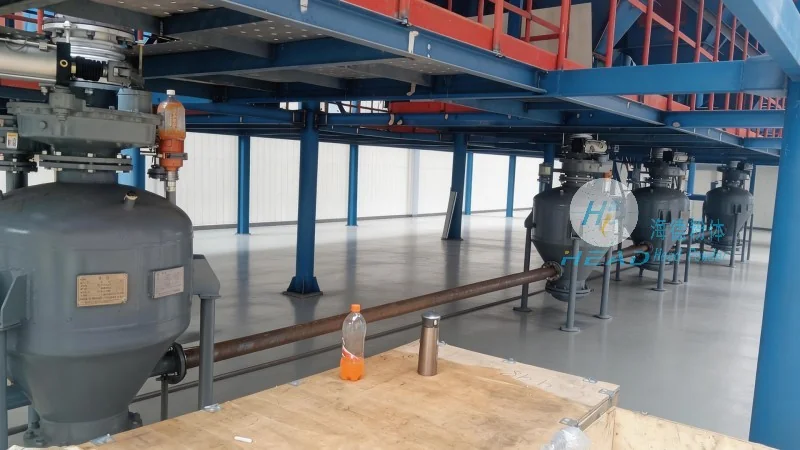
Working Principle of the Conveying System
The core working principle of the dry powder mortar material conveying line revolves around the movement of material from the storage hopper to the processing or packaging units. The process begins with the material being fed into the hopper, where it is held until needed. A screw conveyor or a pneumatic system then takes over, using mechanical or air pressure to transport the material through a series of pipes or troughs. The screw conveyor, for instance, utilizes rotating screws to push the material forward, while the pneumatic system employs compressed air to create a flow that carries the powder through the system. The control panel allows operators to adjust the speed and direction of material flow, ensuring precise control over the entire process.
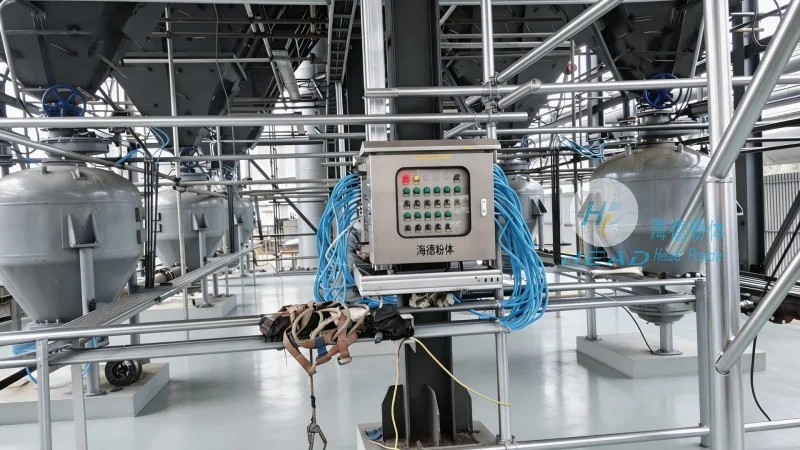
Operation Process: Step-by-Step Guide
The operation of the dry powder mortar material conveying line follows a systematic sequence of steps to ensure efficient material handling. First, the material is loaded into the storage hopper, which is equipped with a feeding mechanism to regulate the flow of material into the conveyor system. Next, the conveyor system is activated, and the material is transported from the hopper to the processing area or the next stage of the production line. During this process, the dust collection system continuously operates to capture any airborne particles, maintaining a clean and safe working environment. The control panel monitors the system's performance, providing real-time data on material flow rates and system status. Finally, the material is delivered to the desired location, such as a mixer or a packaging unit, where it is further processed or prepared for distribution.
Advantages and Applications
The dry powder mortar material conveying line offers several advantages that make it an ideal solution for construction material manufacturers. Its ability to handle fine powders without clogging or blockages ensures consistent material flow, reducing downtime and increasing productivity. The system's compact design allows for easy integration into existing production facilities, making it suitable for both new and retrofit applications. Additionally, the dust collection system enhances workplace safety by minimizing exposure to airborne particles, which is particularly important in environments where health and safety regulations are strict. The applications of this system are widespread, including the production of dry mix mortars, cement-based products, and other construction materials, where reliable material transport is essential for maintaining product consistency and quality.
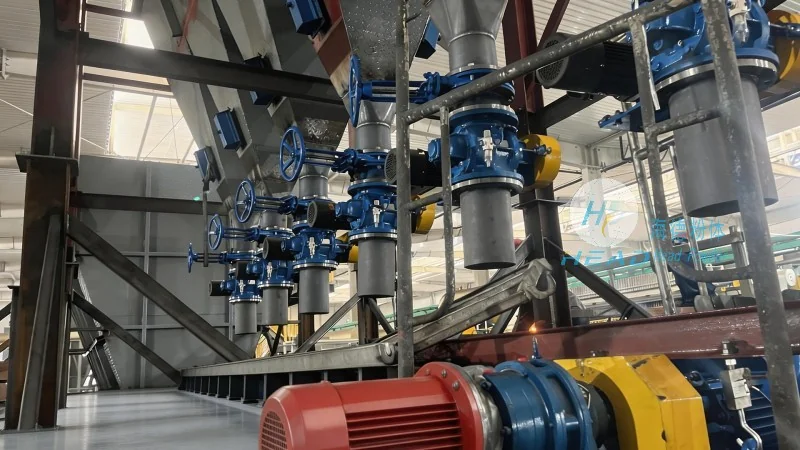
Conclusion
In conclusion, the dry powder mortar material conveying line is a sophisticated and efficient system that plays a critical role in the construction and building material industry. By understanding its operation process and working principle, manufacturers can optimize their production processes, improve material handling efficiency, and enhance overall productivity. With its robust design and advanced control systems, this equipment ensures consistent performance and reliability, making it a valuable asset for any company involved in the production of dry powder materials. As technology continues to advance, these systems are likely to become even more efficient and user-friendly, further enhancing their role in modern manufacturing.