Shandong HeadPowder Engineering Co., Ltd., commonly known as HeadPowder, is a professional manufacturer and supplier specializing in the design, production, and installation of material handling equipment for the food additive industry. The company is headquartered in Shandong, China, and has established a strong reputation for providing reliable and efficient solutions tailored to the unique needs of food processing facilities. With a focus on quality and innovation, HeadPowder ensures that its equipment meets the stringent safety and hygiene standards required by the food industry.
Operation Process of Food Additive Material Handling Equipment
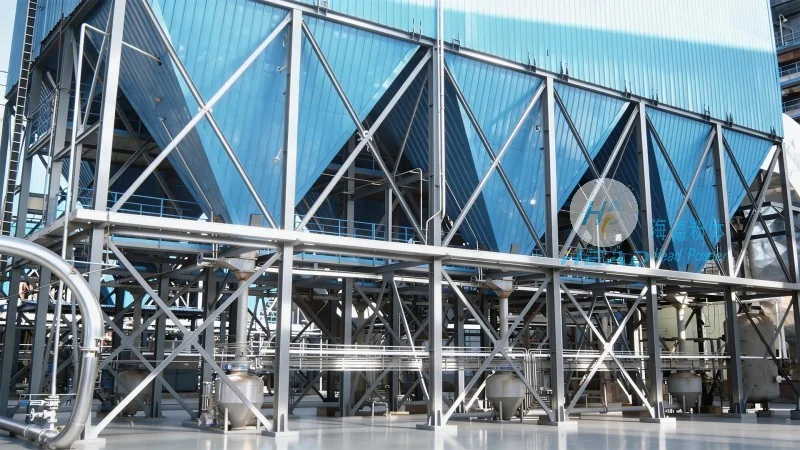
The operation process of food additive material handling equipment typically involves several key stages designed to ensure the safe and efficient transfer of materials from storage to processing areas. The first stage is material loading, where raw food additives are introduced into the system, often through hoppers or bulk containers. This initial step is critical as it sets the foundation for the entire handling process. Once loaded, the material is conveyed through a series of components, including conveyors, elevators, and pneumatic systems, depending on the specific equipment configuration. The conveying mechanism may vary, but the primary goal is to move the material in a controlled manner, minimizing the risk of contamination and ensuring consistent flow rates.
During the conveying process, the equipment may incorporate features such as speed control, direction reversal, and material sorting. These functionalities allow operators to adjust the flow based on real-time production demands. For example, in a high-demand production line, the conveyor speed can be increased to match the throughput requirements, while in maintenance or cleaning periods, the system can be slowed or stopped to facilitate inspections. The integration of sensors and control systems further enhances operational efficiency by providing real-time monitoring of material levels, flow rates, and system performance. This data-driven approach enables proactive maintenance and reduces downtime, which is crucial for maintaining productivity in food processing environments.
Working Principle of Food Additive Material Handling Equipment
The working principle of food additive material handling equipment is based on mechanical, pneumatic, or hydraulic systems, each tailored to the specific characteristics of the materials being handled. Mechanical systems, such as belt conveyors and screw conveyors, utilize rotating components to move materials through a closed or open path. Belt conveyors, for instance, consist of a continuous belt looped over rollers, with the material placed on the belt and carried to the desired location. Screw conveyors, on the other hand, use a rotating screw (auger) to push material forward, making them ideal for handling granular or powdery additives that require gentle handling to prevent degradation.
Pneumatic systems, commonly known as air conveyors, operate by using compressed air to transport materials in a closed pipeline. This method is particularly effective for handling fine powders and granules, as it minimizes the risk of material degradation and cross-contamination. The system typically includes a blower, filter, and control valves to regulate air pressure and flow. The material is introduced into the pipeline at one end and is carried to the other by the force of the air, with the velocity and pressure adjusted to match the material's density and flow characteristics. Pneumatic conveyors are often preferred in applications where dust control and hygiene are paramount, as they can be designed with sealed systems that prevent the release of airborne particles.
Hydraulic systems, though less common in food additive handling due to their complexity and maintenance requirements, are used in specialized applications where high force or precise positioning is needed. These systems utilize hydraulic fluid to power cylinders or motors, enabling the movement of heavy or bulky materials. However, due to the potential for fluid contamination and the need for regular maintenance, hydraulic systems are typically reserved for specific industrial processes where other methods are not feasible.
Key Components and Their Functions
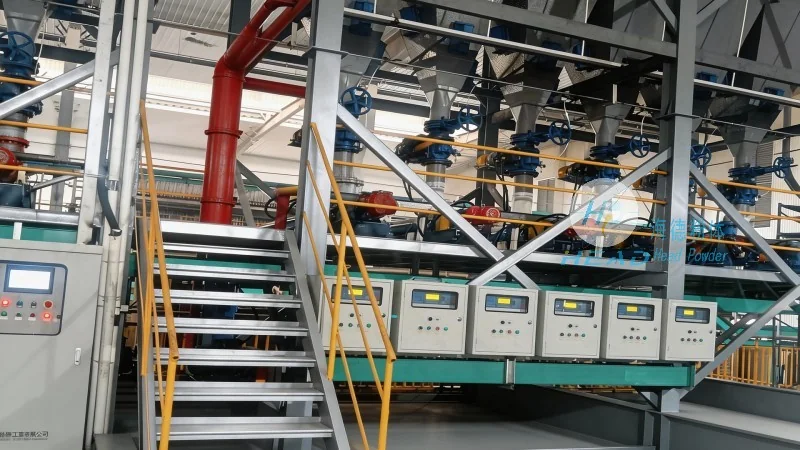
Food additive material handling equipment consists of several key components, each playing a vital role in the overall operation. The primary components include hoppers, conveyors, elevators, and control systems. Hoppers are used for material storage and feeding, providing a controlled release of material into the conveying system. They are designed with sloped sides to prevent material bridging and ensure smooth flow. Conveyors, as mentioned earlier, are responsible for the actual movement of the material. The choice of conveyor type depends on the material's properties, such as particle size, moisture content, and flowability. Elevators are used to lift materials vertically, often connecting different levels of a processing facility. They may be integrated with conveyors to create a vertical transport system, allowing materials to be moved from ground level to elevated processing areas.
Control systems are essential for managing the operation of the entire material handling process. These systems typically include programmable logic controllers (PLCs), sensors, and human-machine interfaces (HMIs). PLCs are used to automate the control of conveyor speeds, direction, and material flow, while sensors monitor critical parameters such as material levels, temperature, and pressure. HMIs provide operators with a user-friendly interface to monitor system performance and make adjustments as needed. The integration of these components ensures that the equipment operates efficiently and safely, adhering to industry standards and regulations.
Applications and Benefits
Food additive material handling equipment is widely used in various industries, including pharmaceuticals, chemicals, and food processing. In the food industry, these systems are crucial for handling ingredients such as flavorings, colorings, preservatives, and vitamins. The primary benefits of using specialized material handling equipment include improved efficiency, reduced labor costs, and enhanced product quality. By automating the material transfer process, facilities can increase production throughput while minimizing the risk of human error. Additionally, the use of enclosed systems and gentle handling mechanisms helps maintain the integrity of the food additives, ensuring that they retain their flavor, color, and nutritional value.
Another significant benefit is the reduction of contamination risks. Food additives are often sensitive to environmental factors, and improper handling can lead to degradation or cross-contamination with other materials. The use of sealed conveyors and air filtration systems minimizes the exposure of materials to dust, moisture, and other contaminants. This is particularly important in facilities that handle multiple products, as it prevents cross-contamination and ensures compliance with regulatory requirements. Furthermore, the ability to control material flow rates and speeds allows for precise dosing, which is critical in applications where exact amounts of additives are required for product formulation.
Maintenance and Safety Considerations
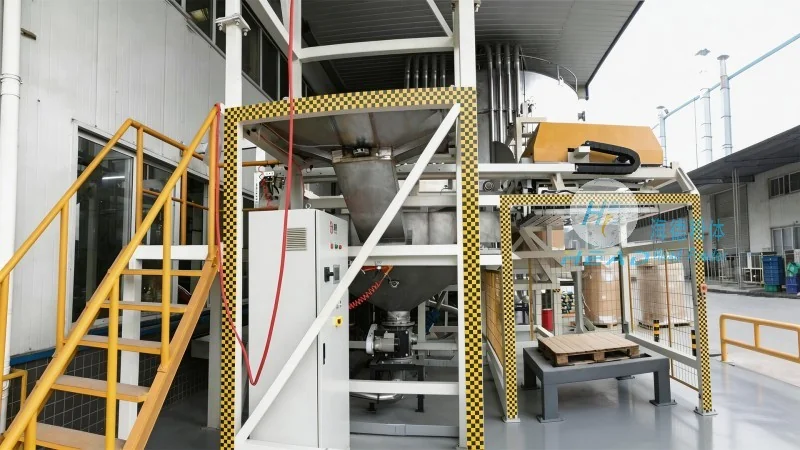
Maintaining the proper operation of food additive material handling equipment is essential for ensuring long-term performance and safety. Regular maintenance, including cleaning, lubrication, and component inspection, is necessary to prevent equipment failure and extend the lifespan of the system. Cleaning is a critical step, as food additives can leave residues that may affect the quality of subsequent products. The equipment should be designed with easy-to-clean components, such as smooth surfaces and removable parts, to facilitate thorough cleaning and disinfection. Lubrication of moving parts is also important to reduce friction and wear, which can lead to increased energy consumption and equipment breakdown.
Safety considerations are paramount in the operation of food additive handling equipment. The equipment must be designed to prevent accidental release of materials and to protect operators from potential hazards. This includes features such as emergency stop buttons, safety guards, and interlocks that prevent the equipment from operating when access to moving parts is required. Additionally, the system should be equipped with alarms and indicators to alert operators of any abnormalities, such as overfilling or blockages. Regular safety training for operators is also essential to ensure that they are aware of the potential risks and know how to respond appropriately in case of an incident.
Future Trends and Innovations
The food additive industry is continuously evolving, and material handling equipment is adapting to meet new challenges and opportunities. One of the key trends is the integration of advanced technologies, such as artificial intelligence (AI) and the Internet of Things (IoT), into material handling systems. These technologies enable predictive maintenance, real-time monitoring, and data-driven decision-making, which can further improve operational efficiency and reduce costs. AI algorithms can analyze system performance data to predict potential failures before they occur, allowing for proactive maintenance and minimizing downtime. IoT sensors can provide real-time data on material flow, temperature, and pressure, which can be used to optimize the operation of the system and improve product quality.
Another trend is the development of more sustainable and energy-efficient equipment. As the industry focuses on reducing its environmental impact, manufacturers are designing equipment that consumes less energy and produces less waste. This includes the use of energy-efficient motors, variable speed drives, and materials that are more environmentally friendly. Additionally, the adoption of recycling and waste reduction practices in material handling processes is becoming more common, as facilities strive to minimize their carbon footprint and comply with environmental regulations.
In conclusion, food additive material handling equipment plays a vital role in the efficient and safe operation of food processing facilities. The equipment's design and functionality are tailored to the unique requirements of the food industry, ensuring that materials are handled with care and precision. With continuous advancements in technology and a focus on sustainability, the future of material handling in the food additive sector looks promising, with continued improvements in efficiency, safety, and product quality.




