

Operation Process and Working Principle of Positive Pressure Dense Phase Material Conveying Lines
Positive pressure dense phase material conveying lines are advanced industrial systems designed to transport bulk materials efficiently and safely. These systems are widely used in various industries, including chemical, pharmaceutical, food processing, and mining, where reliable material handling is critical. The technology behind these lines combines high-pressure air or gas with a controlled flow of material to achieve dense phase conveying, minimizing particle degradation and ensuring consistent flow rates. This article provides a detailed overview of the operation process and working principles of such systems, highlighting the key components, operational steps, and benefits of using positive pressure dense phase conveying.
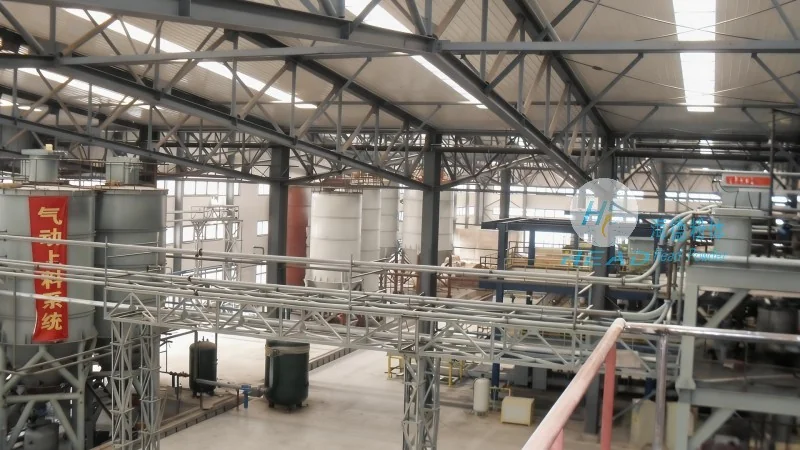
About HeadPowder: Your Expert in Material Handling Solutions
HeadPowder, or Shandong HeadPowder Engineering Co., Ltd., is a leading provider of innovative material handling solutions. With a strong focus on engineering excellence and customer satisfaction, the company specializes in designing, manufacturing, and installing positive pressure dense phase material conveying lines. HeadPowder's expertise lies in tailoring systems to meet the specific needs of clients, ensuring optimal performance and durability. The company's facilities are located in Shandong, China, where it leverages advanced technology and skilled professionals to deliver high-quality products and services. By partnering with HeadPowder, businesses can enhance their material handling processes, reduce operational costs, and improve overall productivity.
Key Components of Positive Pressure Dense Phase Material Conveying Lines
The positive pressure dense phase material conveying line consists of several critical components that work together to facilitate efficient material transport. The main components include a positive displacement blower or compressor, a hopper or feeder, a pipeline system, and a control system. The positive displacement blower generates the necessary pressure to move the material through the pipeline. The hopper or feeder ensures a consistent feed of material into the system, preventing blockages and maintaining stable flow. The pipeline system, typically made of durable materials like stainless steel or PVC, is designed to withstand the high pressures and abrasive nature of the conveyed materials. The control system monitors and regulates the pressure, flow rate, and other parameters to ensure safe and efficient operation. Each component plays a vital role in the overall performance of the conveying line, and proper maintenance is essential to ensure long-term reliability.
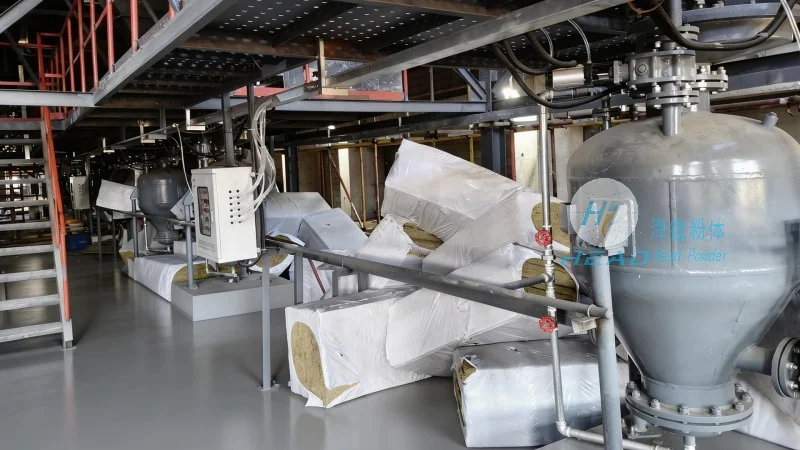
The Operation Process of Positive Pressure Dense Phase Material Conveying Lines
The operation process of a positive pressure dense phase material conveying line involves several sequential steps. First, the material is loaded into the hopper or feeder. The feeder then controls the flow rate of the material, ensuring a steady supply to the system. Next, the positive displacement blower or compressor is activated, generating the required pressure. The high-pressure air or gas is then mixed with the material in the hopper, creating a dense phase mixture. This mixture is then forced through the pipeline, moving the material to the destination point. The control system continuously monitors the pressure and flow rate, adjusting the blower speed or feeder settings as needed to maintain optimal performance. The process is designed to be continuous and automated, minimizing the need for manual intervention and ensuring consistent material delivery. The entire operation is safe and efficient, with minimal material degradation and low energy consumption compared to traditional conveying methods.
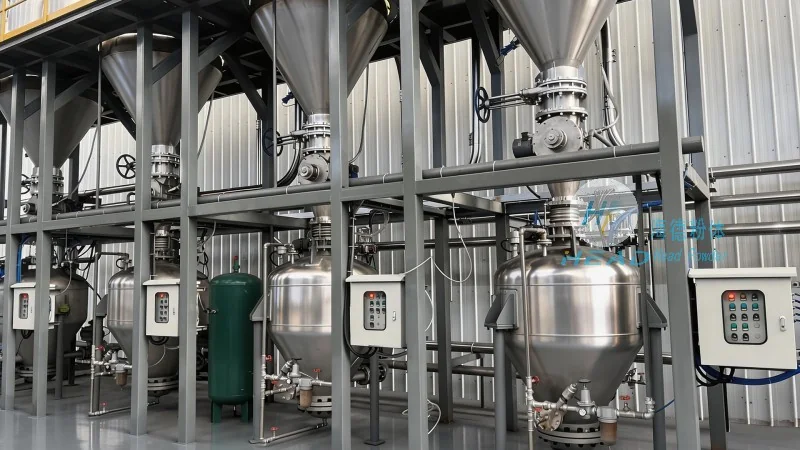
Working Principle of Positive Pressure Dense Phase Material Conveying Lines
The working principle of positive pressure dense phase material conveying lines is based on the principle of dense phase flow. In this mode, the material is conveyed in a semi-solid state, where the particles are closely packed together, reducing the risk of segregation and degradation. The positive pressure generated by the blower or compressor creates a high velocity flow that propels the material through the pipeline. The air or gas is mixed with the material in a controlled manner, ensuring that the material remains in a dense phase throughout the conveying process. The key to successful dense phase conveying is maintaining the correct air-to-material ratio, which is typically determined by the material's properties, such as particle size, density, and moisture content. By adjusting the pressure and flow rate, the system can achieve the desired conveying velocity and minimize the risk of blockages or material degradation. The working principle also emphasizes the importance of proper pipeline design, including the use of appropriate pipe diameters and bends, to ensure smooth flow and prevent pressure losses. Overall, the working principle of positive pressure dense phase material conveying lines combines mechanical pressure with controlled material flow to achieve efficient and reliable material transport.
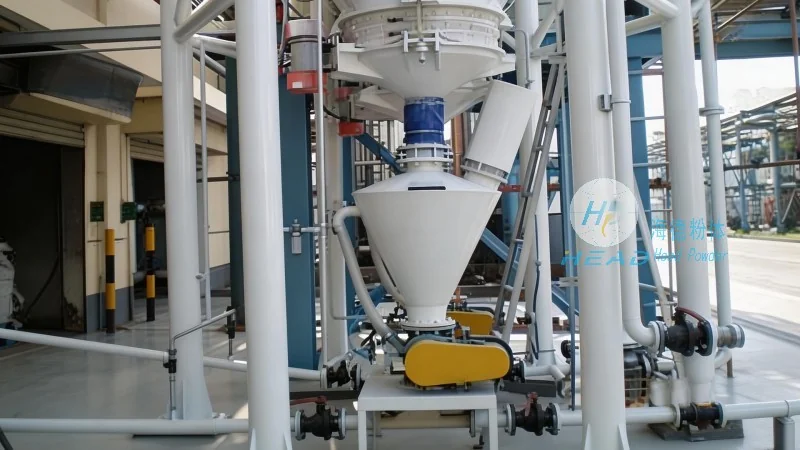
Benefits and Applications of Positive Pressure Dense Phase Material Conveying Lines
Positive pressure dense phase material conveying lines offer numerous benefits over traditional conveying methods. These systems are capable of transporting a wide range of materials, including powders, granules, and bulk solids, with minimal degradation. The dense phase flow reduces the risk of segregation, caking, and dust generation, making it suitable for materials that are sensitive to handling. Additionally, the high-pressure operation allows for long-distance conveying without the need for multiple transfer points, reducing the overall system complexity and cost. The systems are also energy-efficient, as they use less air or gas compared to pneumatic conveying systems, resulting in lower operational costs. HeadPowder's positive pressure dense phase material conveying lines are used in various applications, including the transport of chemicals, pharmaceuticals, food products, and mining materials. These systems are particularly useful in industries where material handling is critical to production efficiency and product quality. By using these systems, businesses can improve their operational efficiency, reduce downtime, and enhance overall productivity.
Conclusion and Future Developments
Positive pressure dense phase material conveying lines are a reliable and efficient solution for bulk material handling. The technology has evolved significantly over the years, with continuous improvements in component design and control systems. HeadPowder, as a leading provider in this field, continues to innovate and develop advanced systems that meet the evolving needs of the industry. The future of positive pressure dense phase material conveying lines lies in the integration of advanced technologies, such as automation and IoT, to enhance system performance and monitoring capabilities. These developments will further improve the efficiency and reliability of material handling processes, making positive pressure dense phase conveying lines an essential component of modern industrial operations. For businesses seeking to enhance their material handling capabilities, partnering with HeadPowder and investing in positive pressure dense phase material conveying lines is a strategic decision that can lead to long-term benefits and competitive advantages.