

Operation Process and Working Principle of High-Speed Material Loading Conveyor Lines
High-speed material loading conveyor lines are critical components in modern industrial production, designed to efficiently transport bulk materials from one processing stage to another. Understanding their operation process and working principles is essential for optimizing production efficiency and ensuring smooth workflow in various manufacturing environments. This article provides a detailed overview of how these systems function, highlighting key components, operational steps, and the underlying mechanisms that enable high-speed material handling.
Introduction to High-Speed Material Loading Conveyor Lines
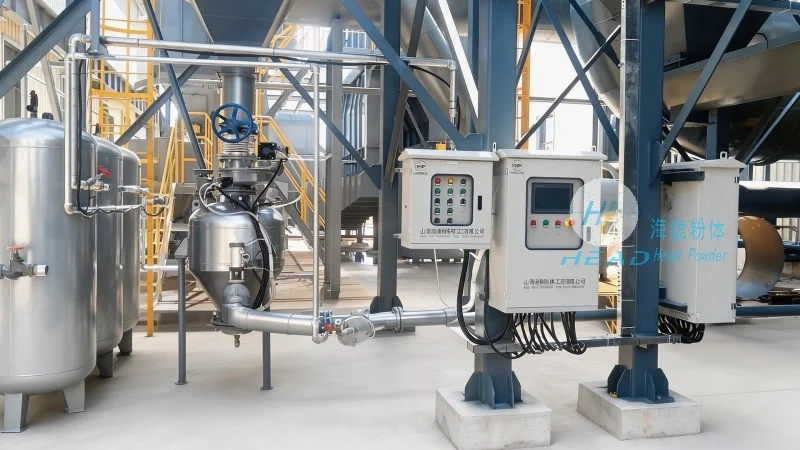
High-speed material loading conveyor lines, often referred to as bulk material handling systems, are engineered to handle large volumes of raw materials with precision and speed. These systems are commonly used in industries such as mining, construction, and manufacturing, where the efficient movement of materials is crucial for maintaining production throughput. The design of these conveyor lines typically incorporates robust mechanisms that can withstand heavy loads and continuous operation, ensuring reliability in demanding industrial settings. As a leading manufacturer based in China, Shandong HeadPowder Engineering Co., Ltd. specializes in developing advanced conveyor solutions tailored to meet the diverse needs of industrial applications.
Key Components of a High-Speed Material Loading Conveyor Line
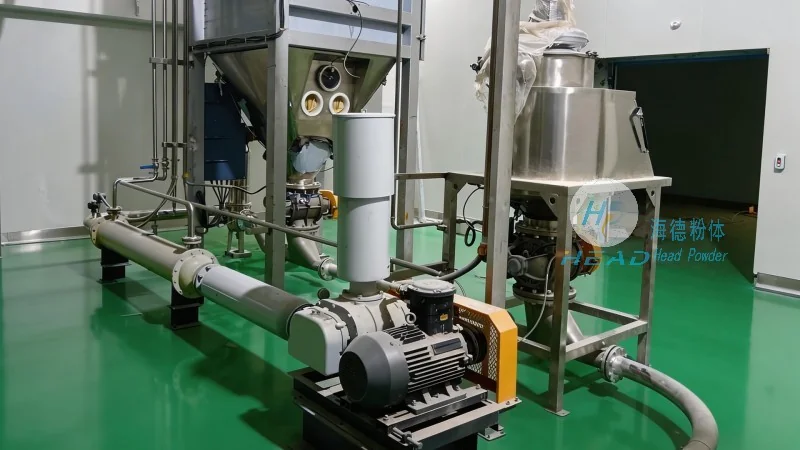
The functionality of a high-speed material loading conveyor line relies on several interconnected components that work in harmony to facilitate material transport. The primary components include the feeding mechanism, conveyor belt or roller system, control system, and discharge equipment. Each component plays a vital role in the overall operation, contributing to the system's efficiency and effectiveness. The feeding mechanism, often a hopper or chute, ensures raw materials are introduced into the system uniformly. The conveyor system, which may consist of belts, rollers, or chains, is designed to move the material along the desired path. The control system, integrated with sensors and automation technology, monitors flow and adjusts speed or direction as needed. Finally, the discharge equipment, such as chutes or elevators, transports material to the next processing stage or storage area.
Operation Process of High-Speed Material Loading Conveyor Lines
The operation of a high-speed material loading conveyor line involves a series of sequential steps that ensure the smooth and efficient movement of materials. The process typically begins with the feeding of raw materials into the system. The feeding mechanism ensures that the material is evenly distributed and fed into the conveyor belt or rollers. As the material moves along the conveyor, it is transported to the discharge point, where it is transferred to the next stage of processing or storage. The control system continuously monitors the material flow and adjusts the conveyor speed to maintain optimal throughput. Sensors detect material levels or position, providing real-time data for process adjustments. Safety features like emergency stop buttons and overload protection are integrated to prevent accidents and ensure operator safety.
Working Principle of High-Speed Material Loading Conveyor Lines
The working principle of high-speed material loading conveyor lines is based on mechanical and hydraulic systems that enable the efficient transport of bulk materials. The primary mechanism involves the use of a conveyor belt or rollers driven by an electric motor. The motor provides the necessary power to move the material along the conveyor, while the control system regulates speed and direction. In many high-speed systems, the conveyor is designed with inclines or declines to facilitate vertical or horizontal material transport. Inclined conveyors allow efficient movement from lower to higher levels, while horizontal conveyors handle lateral transport. Additional features like vibrators or agitators prevent material clogging and ensure consistent flow, maintaining system reliability.
Applications and Benefits of High-Speed Material Loading Conveyor Lines
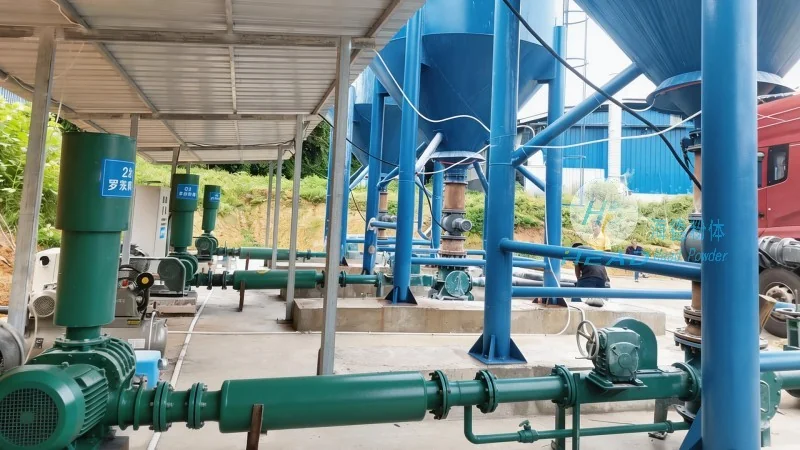
High-speed material loading conveyor lines are widely used in various industrial applications due to their ability to handle large volumes of materials with high efficiency. These systems are particularly beneficial in industries where production speed and material throughput are critical factors. The benefits of using high-speed conveyor lines include increased production efficiency, reduced labor costs, and improved workplace safety. For instance, in mining operations, they transport mined materials from extraction sites to processing facilities. In construction, they move building materials like sand, gravel, and cement to job sites. In manufacturing, they deliver raw materials to production lines and finished products to storage areas. The versatility of these systems makes them suitable for a wide range of industrial applications, enhancing operational productivity.
Maintenance and Troubleshooting of High-Speed Material Loading Conveyor Lines
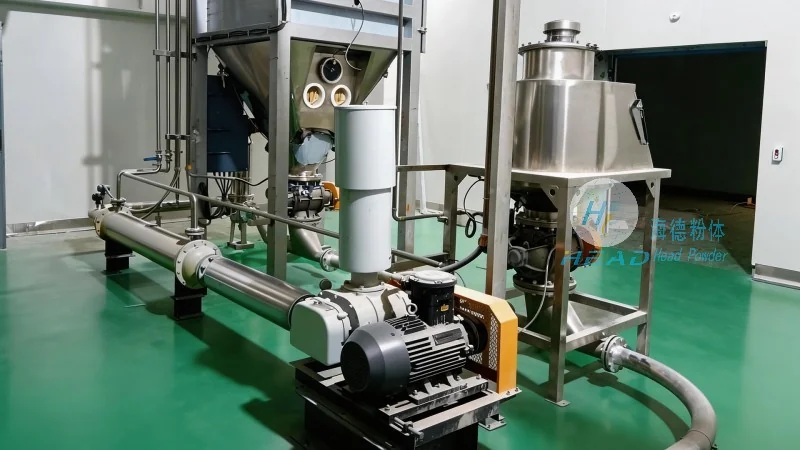
To ensure the continuous and efficient operation of high-speed material loading conveyor lines, regular maintenance is essential. The maintenance schedule typically includes routine checks of conveyor belt tension, motor performance, and control system functionality. Regular cleaning of the conveyor system is also important to prevent material buildup and ensure smooth operation. In case of any issues, troubleshooting steps should be taken to identify and resolve problems. Common issues may include belt slippage, material clogging, or control system malfunctions. By addressing these issues promptly, the system can be restored to optimal performance, minimizing downtime and maintaining production efficiency. Proper maintenance, as recommended by manufacturers like Shandong HeadPowder Engineering Co., Ltd., extends the lifespan of the equipment and ensures consistent performance.
Conclusion
High-speed material loading conveyor lines are sophisticated systems that play a vital role in modern industrial production. Understanding their operation process and working principles is crucial for optimizing their performance and ensuring their reliability. By incorporating robust components, advanced control systems, and regular maintenance, these systems can efficiently handle large volumes of materials, contributing to increased productivity and cost savings in various industrial settings. As a trusted manufacturer based in China, Shandong HeadPowder Engineering Co., Ltd. continues to innovate in conveyor technology, providing solutions that meet the evolving needs of industrial sectors worldwide.