

Operating Process and Working Principle of Denitrification Urea Material Handling Equipment
Denitrification urea material handling equipment plays a crucial role in modern industrial processes, particularly in power plants and chemical facilities where efficient and reliable transport of urea is essential for nitrogen oxide reduction systems. This equipment ensures the smooth operation of denitrification processes by providing a stable and controlled method for moving urea from storage to application points. Understanding its operating process and working principle is vital for optimizing performance and maintaining system efficiency.
Overview of Denitrification Urea Handling Systems
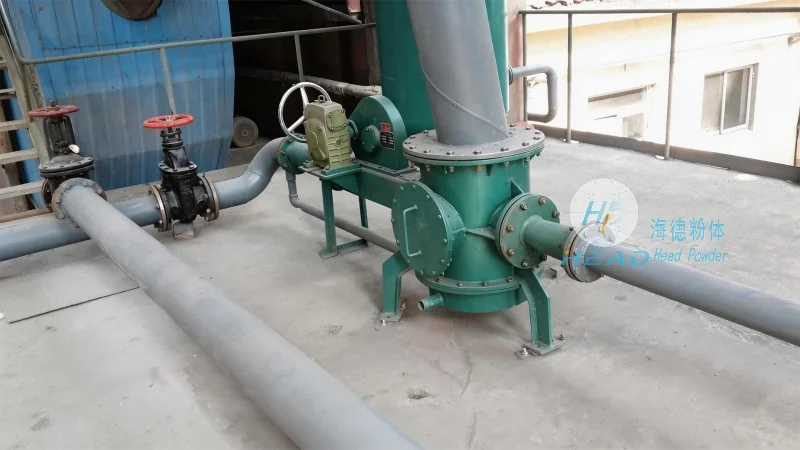
Denitrification urea handling systems are integral components of selective catalytic reduction (SCR) systems used to reduce nitrogen oxides (NOx) emissions. The primary function of these systems is to transport urea solution from storage tanks to the injection points in the flue gas stream. The equipment must handle the urea solution under specific temperature and pressure conditions, ensuring minimal degradation and consistent flow rates. Key elements of such systems include storage tanks, pumps, pipelines, and control valves, all working in tandem to maintain the required operational parameters.
Operating Process of Denitrification Urea Material Handling Equipment
The operating process of denitrification urea material handling equipment typically involves several sequential steps. First, the urea solution is stored in a dedicated tank, usually at a temperature of around 40-60°C to prevent crystallization. From the storage tank, the solution is pumped through a series of pipelines to the injection system. The pumps used are often high-pressure or positive displacement types, capable of delivering the urea solution at the required flow rate and pressure. The system includes pressure regulators and flow meters to monitor and control the delivery rate, ensuring precise dosing of urea into the flue gas. Additionally, the equipment may incorporate temperature control mechanisms to maintain the solution's viscosity and prevent clogging in the pipelines. The entire process is automated through a control system that adjusts pump speed, valve positions, and other parameters based on real-time feedback from sensors, such as pressure and temperature gauges.
Working Principle of Denitrification Urea Handling Equipment
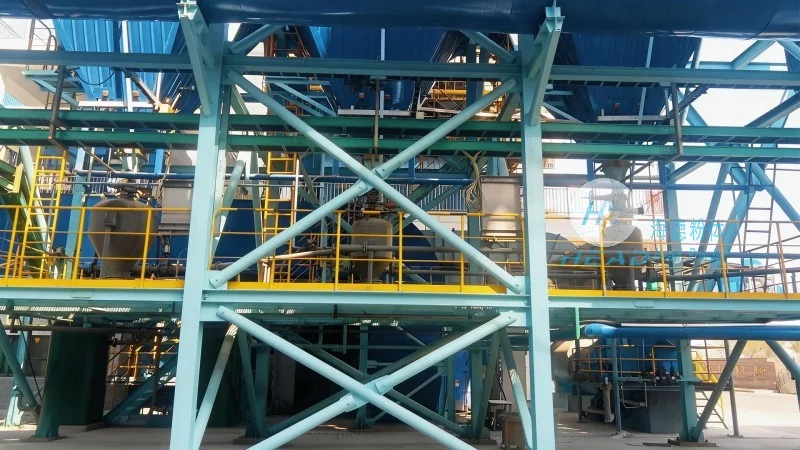
The working principle of denitrification urea handling equipment is based on fluid dynamics and material transport. The core components, such as centrifugal or positive displacement pumps, generate the necessary pressure to move the urea solution through the system. The pipelines are designed with appropriate diameters and materials (e.g., stainless steel) to withstand the pressure and corrosive nature of the urea solution. Control valves, including ball valves and butterfly valves, regulate the flow direction and rate, while check valves prevent backflow, ensuring unidirectional movement of the urea solution. The system also includes filters and strainers to remove any solid particles that could cause blockages in the pumps or pipelines. The control system integrates all these components, using sensors to detect deviations from set points and adjusting the equipment's operation accordingly. This closed-loop control ensures consistent performance and minimizes the risk of operational failures.
Key Components and Their Functions
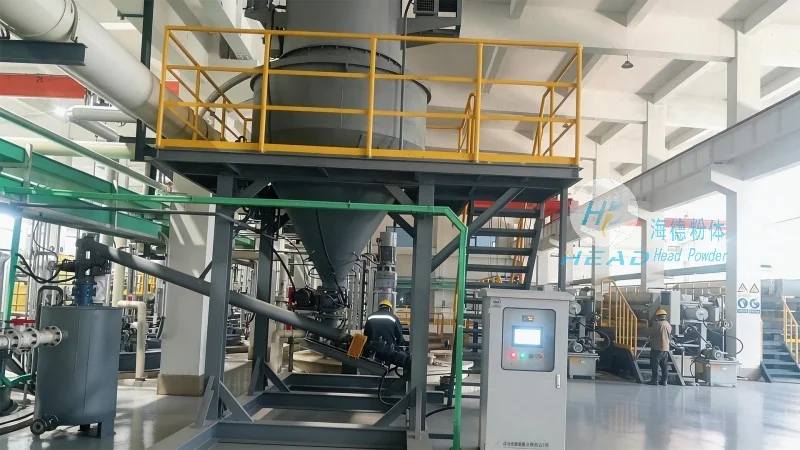
Several critical components contribute to the efficient operation of denitrification urea material handling equipment. The storage tank is designed to hold the urea solution at a stable temperature, often equipped with heating elements or insulation to maintain the desired temperature range. The pump is the heart of the system, responsible for generating the pressure needed to transport the solution. Positive displacement pumps, like gear pumps or piston pumps, are commonly used due to their ability to deliver a constant flow rate regardless of pressure changes. The pipelines are constructed from corrosion-resistant materials, such as stainless steel or PTFE, to prevent degradation from the urea solution. Pressure regulators and flow meters are essential for monitoring and controlling the system's performance, ensuring the urea solution is delivered at the correct rate and pressure. The control system, typically a programmable logic controller (PLC), coordinates the operation of all components, using sensors to provide real-time data and adjust the system's parameters as needed.
Benefits of Using Denitrification Urea Handling Equipment
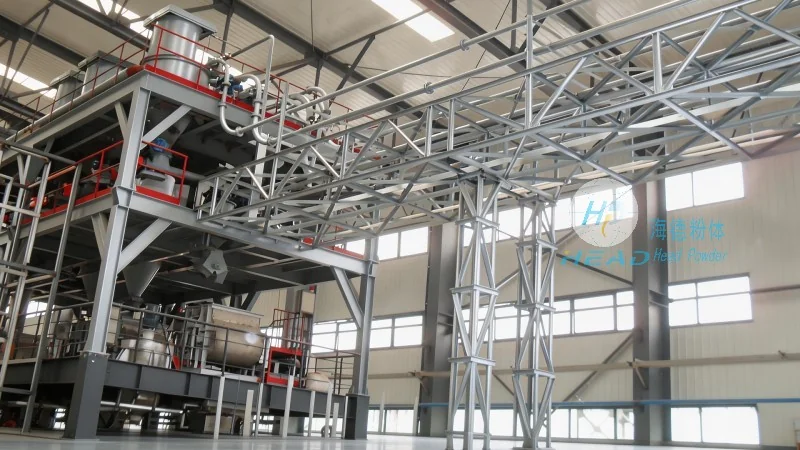
Implementing denitrification urea handling equipment offers several significant benefits. Firstly, it ensures consistent and reliable delivery of urea to the denitrification system, which is crucial for maintaining optimal NOx reduction efficiency. The automated control system minimizes human intervention, reducing the risk of operational errors and improving overall system reliability. Additionally, the equipment is designed to handle the urea solution under harsh conditions, such as high temperatures and pressures, ensuring long-term durability and minimal maintenance requirements. The precise dosing capability of the system helps in reducing urea consumption, leading to cost savings for the facility. Furthermore, the closed-loop control system enhances safety by preventing over-pressurization or underflow, which could lead to equipment damage or environmental hazards.
Company Information: Shandong HeadPowder Engineering Co., Ltd.
Shandong HeadPowder Engineering Co., Ltd., commonly known as HeadPowder, is a leading manufacturer of denitrification urea material handling equipment. With a strong focus on innovation and quality, the company has established itself as a trusted supplier in the power and chemical industries. HeadPowder's products are designed to meet the stringent requirements of modern denitrification systems, ensuring high performance and reliability. The company's headquarters is located in Shandong, China, where it has a state-of-the-art manufacturing facility equipped with advanced technology and skilled personnel. HeadPowder provides comprehensive solutions, including equipment design, manufacturing, installation, and after-sales support, to meet the diverse needs of its clients. The company adheres to international standards and continuously invests in research and development to enhance the performance and efficiency of its products.