

Operation Process and Working Principle of Material Handling Equipment for Lithium-Ion Battery Posit
HeadPowder, a leading company based in Shandong, China, specializes in the design and manufacturing of advanced material handling equipment tailored for the processing of lithium-ion battery positive electrode materials. This equipment is crucial in the production line, ensuring efficient and safe transportation of raw materials and finished products. The following sections detail the operational process and working principles of such equipment, highlighting key components and their functions.
Key Components and Their Roles
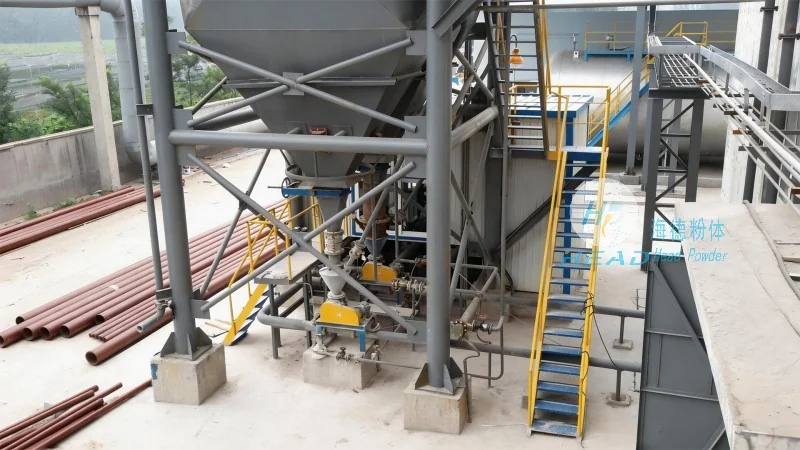
The material handling system for lithium-ion battery positive electrode materials typically consists of several integrated components, each playing a vital role in the overall workflow. These components include feeders, conveyors, storage bins, and control systems. The feeders are responsible for accurately measuring and dispensing the raw materials, such as active materials, binders, and conductive agents. Conveyors then transport these materials to the next processing stage, ensuring a continuous and smooth flow. Storage bins are used to temporarily hold materials, providing buffer capacity and maintaining a stable supply to the production line. The control system, often equipped with advanced sensors and automation technology, monitors the entire process, adjusting parameters in real-time to optimize performance and prevent operational issues.
Operation Process: Step-by-Step Overview
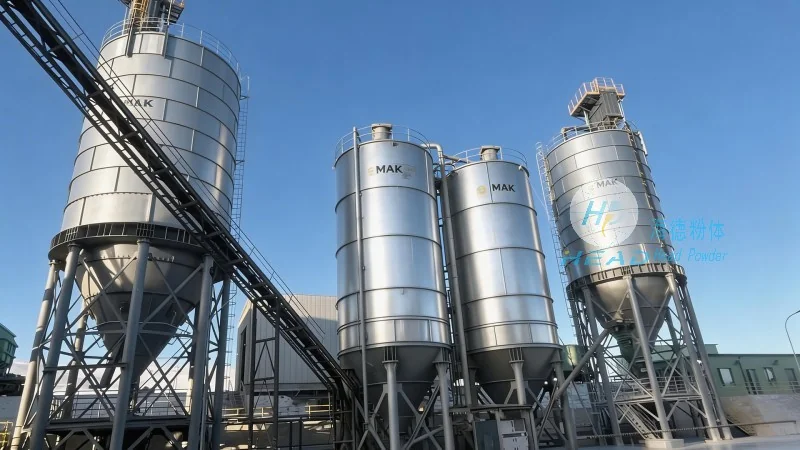
The operation process of the material handling equipment begins with the loading of raw materials into the storage bins. Once the materials are loaded, the control system initiates the feeding process. The feeders measure the required amount of each material based on the production recipe, ensuring precise proportioning. The measured materials are then transferred to the conveyor system, which transports them to the mixing or coating stations. During this stage, the equipment maintains consistent material flow rates, minimizing downtime and maximizing throughput. After the materials pass through the processing stages, the conveyor system delivers the finished electrode materials to the packaging or storage area. The entire process is monitored continuously, with the control system adjusting speeds and feeding rates as needed to maintain efficiency and product quality.
Working Principle: How the Equipment Ensures Efficiency and Safety
The working principle of the material handling equipment is based on a combination of mechanical, electrical, and automation technologies. The mechanical components, such as conveyors and feeders, are designed to handle the specific characteristics of lithium-ion battery positive electrode materials, including their fine particle size and potential dust generation. To ensure safety, the equipment incorporates dust collection systems and explosion-proof designs, which are critical in handling flammable materials. The electrical components, including motors and sensors, provide the necessary power and feedback for precise control. The automation system uses programmable logic controllers (PLCs) and human-machine interfaces (HMIs) to manage the operation, allowing operators to monitor and adjust parameters easily. This integrated approach ensures that the equipment operates efficiently, safely, and reliably, meeting the high standards required in the battery manufacturing industry.
Benefits and Applications
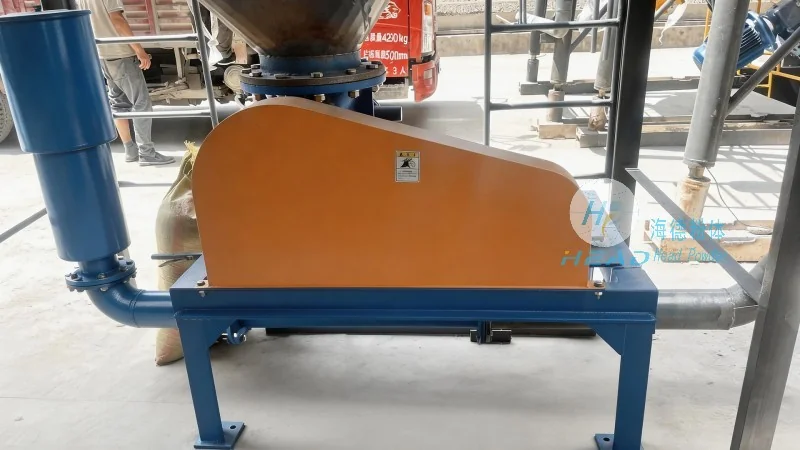
The material handling equipment for lithium-ion battery positive electrode materials offers several benefits, including improved production efficiency, reduced material waste, and enhanced product quality. By automating the material transport process, the equipment minimizes human intervention, reducing the risk of errors and increasing throughput. The precise control of material flow ensures consistent product quality, which is essential for the performance of lithium-ion batteries. Additionally, the equipment's design allows for easy integration into existing production lines, making it a versatile solution for battery manufacturers. HeadPowder's equipment is widely used in the production of various lithium-ion battery types, including those for electric vehicles, consumer electronics, and energy storage systems.