

Operation Process and Working Principle of Multi-functional Material Conveying Lines
Multi-functional material conveying lines are sophisticated industrial systems designed to transport various types of materials efficiently and reliably across different production stages. These systems are integral to modern manufacturing and logistics operations, offering versatility in handling diverse materials such as powders, granules, liquids, and bulk solids. The design and functionality of these lines ensure seamless integration into production workflows, enhancing productivity and operational efficiency.
Key Components and Structure of the Conveying Line
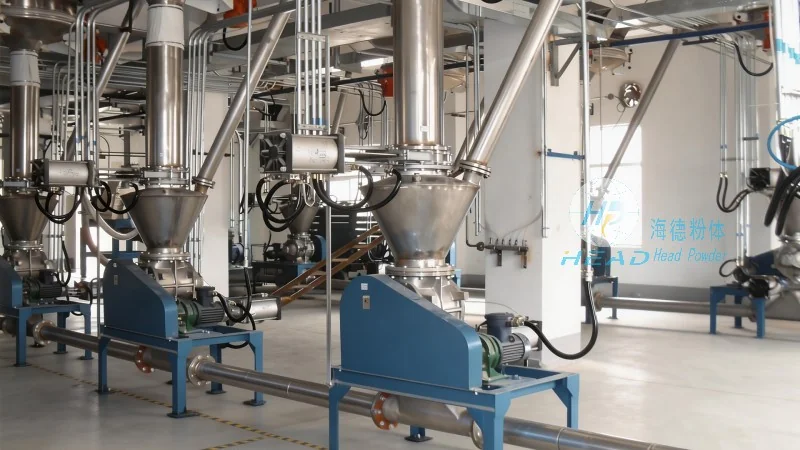
The multi-functional material conveying line typically consists of several core components that work in tandem to achieve effective material transport. These components include feeders, conveyors (like belt conveyors, screw conveyors, or pneumatic conveyors), control systems, and safety mechanisms. Each component is strategically positioned to optimize material flow and minimize downtime. For instance, feeders are used to regulate the input of materials, ensuring a consistent flow rate, while conveyors transport the materials through the system. Control systems manage the operation of these components, allowing for real-time adjustments based on production demands. Safety features, such as sensors and emergency stop buttons, are integrated to protect operators and prevent accidents.
Operation Process of the Multi-functional Material Conveying Line
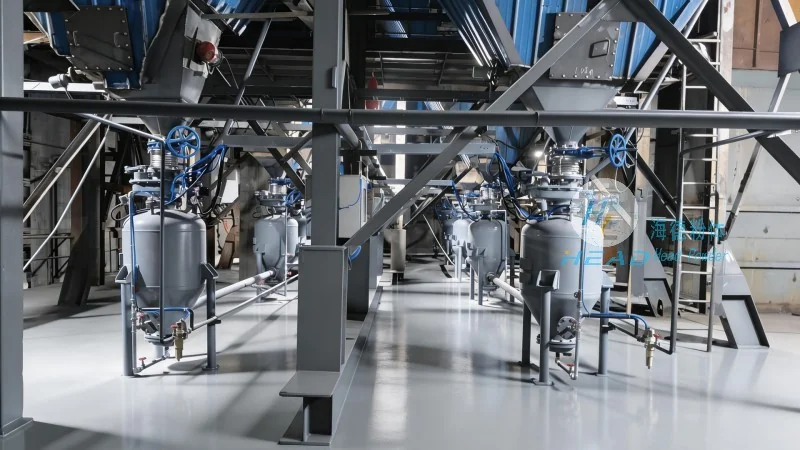
The operation of a multi-functional material conveying line follows a systematic process that ensures smooth material handling. The process begins with the material being fed into the system, either manually or through automated feeding mechanisms. Once the material is in the system, it is transported along the conveyor path, which may involve multiple segments and changes in direction. The conveying speed and direction are controlled by the system's control unit, which adjusts based on the material type and production requirements. At intermediate points, the material may be processed or sorted, such as through screening or separation units. Finally, the material is discharged at the end of the line, ready for the next stage of production or storage. This process is designed to be continuous and efficient, minimizing the time between material input and output.
Working Principle of the Conveying Line
The working principle of the multi-functional material conveying line is based on mechanical or pneumatic forces that move materials from one location to another. For mechanical conveyors, such as belt or screw conveyors, the principle involves using a moving surface or a rotating screw to push the material forward. The belt conveyor uses a continuous belt that moves over rollers, carrying the material along its path. The screw conveyor, on the other hand, uses a rotating screw to push the material through a tube or trough. Pneumatic conveyors utilize compressed air to create a flow of air that carries the material in a pipeline. The choice of conveyor type depends on the material characteristics, such as size, density, and moisture content, as well as the operational requirements. The control system monitors the pressure, speed, and flow rate to maintain optimal performance and prevent blockages or overloading.
About Shandong HeadPowder Engineering Co., Ltd.
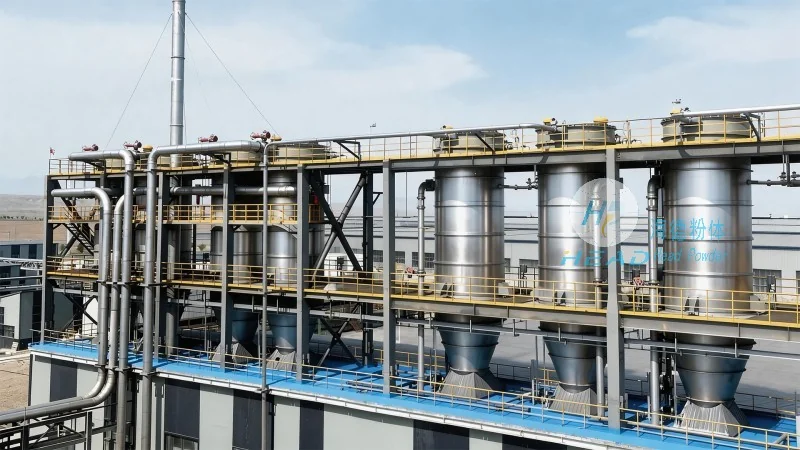
Shandong HeadPowder Engineering Co., Ltd., operating under the brand name headpowder, is a leading manufacturer specializing in the design, development, and installation of industrial material handling systems. With a strong focus on innovation and quality, the company has established itself as a trusted partner in the manufacturing sector. HeadPowder's expertise lies in creating customized solutions tailored to the specific needs of clients, ensuring that their material conveying lines meet the highest standards of efficiency and reliability. The company's headquarters is located in Shandong, China, where it has a dedicated team of engineers and technicians dedicated to research and development. HeadPowder's commitment to customer satisfaction and technological advancement has enabled it to serve a wide range of industries, including food processing, pharmaceuticals, chemicals, and mining.