Understanding the operation process and working principle of sweet potato material handling equipment is crucial for optimizing processing efficiency in agricultural and food processing industries. This equipment is designed to handle, transport, and process sweet potatoes from the field to the processing line, ensuring smooth workflow and high productivity.
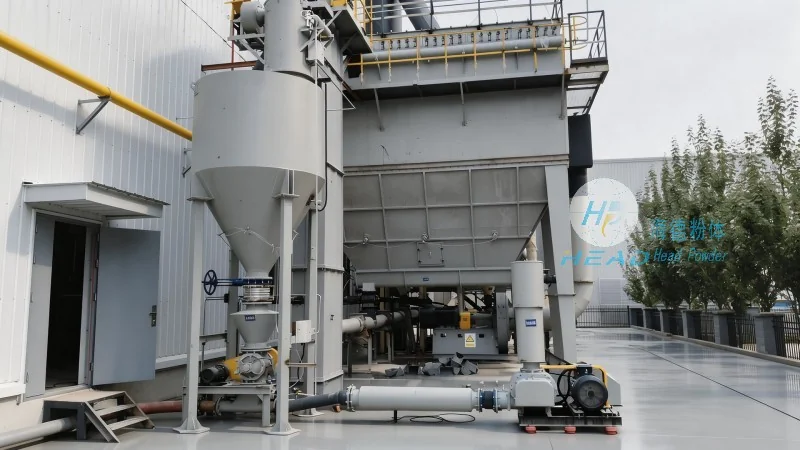
Company Overview
HeadPowder, a leading manufacturer based in Shandong, China, specializes in providing advanced material handling solutions tailored for agricultural products like sweet potatoes. With years of experience in engineering and manufacturing, HeadPowder has developed robust equipment that meets the demanding requirements of modern sweet potato processing facilities.
Key Components of Sweet Potato Material Handling Equipment
The sweet potato material handling system typically consists of several key components that work in tandem to ensure efficient material flow. These components include intake mechanisms, conveyors, sorting systems, and processing units. Each component plays a vital role in the overall operation, contributing to the seamless movement of sweet potatoes from reception to final processing.
Operation Process: Step-by-Step Guide
The operation process of sweet potato material handling equipment begins with the intake of raw sweet potatoes. The equipment is equipped with a hopper or intake chute that allows for the collection of sweet potatoes from storage or directly from the field. Once the sweet potatoes are loaded into the system, they are transferred to the primary conveyor system, which may include belt conveyors or chain conveyors depending on the design.
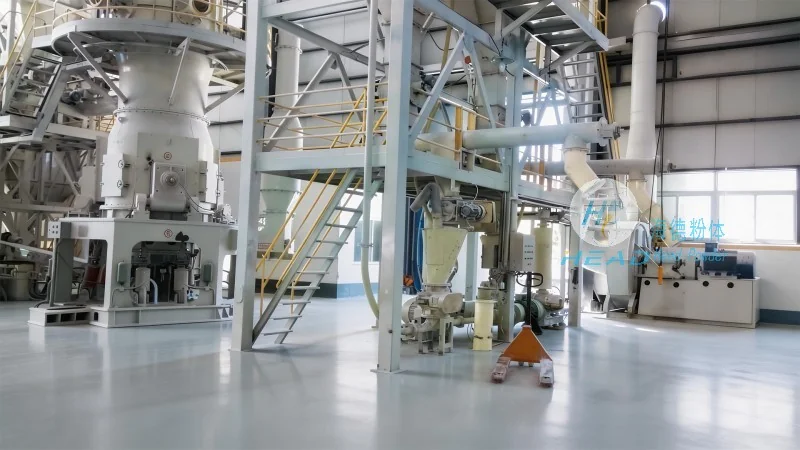
After the initial transfer, the sweet potatoes undergo a sorting process to remove any damaged or unqualified tubers. This step is critical as it ensures that only high-quality sweet potatoes proceed to the next stage of processing. The sorting mechanism may involve visual inspection, size sorting, or even automated detection systems to identify and remove defective products.
Following the sorting stage, the sweet potatoes are transported to the processing unit. This may involve washing, peeling, or cutting operations, depending on the final product requirements. The conveyor system continues to move the sweet potatoes through each processing step, ensuring that each tuber is handled gently to maintain its quality and integrity.
Working Principle: Mechanical and Electrical Integration
The working principle of sweet potato material handling equipment relies on the integration of mechanical and electrical systems. The mechanical components, such as conveyors and rollers, are driven by electric motors that provide the necessary power for movement. Sensors and control systems are also integrated to monitor the operation and adjust parameters as needed, ensuring optimal performance and safety.
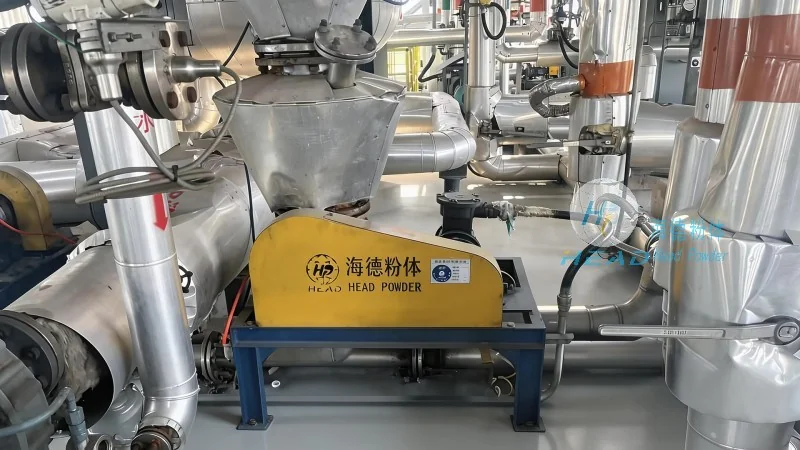
The control panel, typically located at the operator's station, allows for easy monitoring and adjustment of the equipment's settings. Operators can control the speed of the conveyors, adjust the sorting parameters, and monitor the flow of materials in real-time. This integration of human control and automated systems ensures that the equipment operates efficiently and reliably.
Benefits of Using Sweet Potato Material Handling Equipment
Implementing sweet potato material handling equipment offers several benefits to processing facilities. Firstly, it significantly improves processing efficiency by automating the material handling process, reducing manual labor and minimizing downtime. Secondly, the equipment ensures consistent quality by sorting out damaged or low-quality tubers, leading to higher product yield and better market value.
Additionally, the equipment is designed to handle large volumes of sweet potatoes, making it suitable for both small-scale and large-scale processing operations. The robust construction and durable materials used in the equipment ensure long-term reliability and low maintenance costs, providing a good return on investment for businesses in the sweet potato processing industry.




