HeadPowder, a leading engineering company based in Shandong, China, specializes in the design and implementation of efficient pneumatic conveying systems tailored for handling sodium sulfate materials. This article explores the fundamental principles behind such systems and highlights the key operational characteristics and application scenarios where these lines are most effectively utilized.
The Working Principle of Pneumatic Conveying for Sodium Sulfate
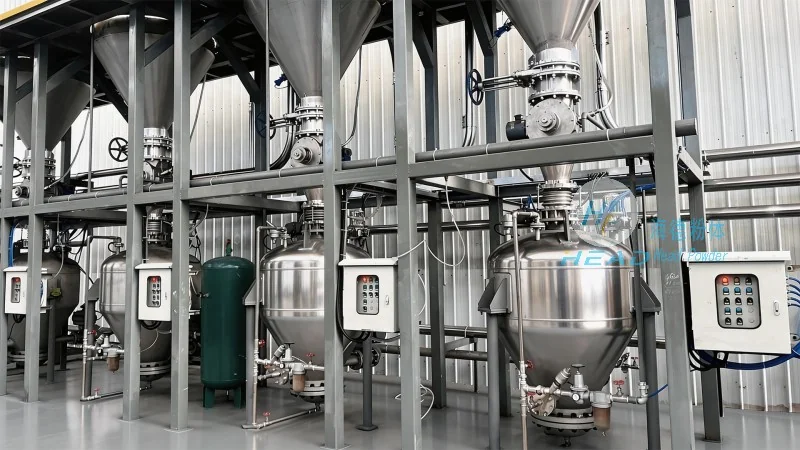
The pneumatic conveying line for sodium sulfate operates on the principle of transporting bulk materials through a pipeline using a gas stream, typically air or a mixture of air and other gases. The system consists of several core components, including a material hopper, a feeder, a conveying pipe, a dust collector, and a discharge point. The process begins with the material being fed from the hopper into the feeder, which controls the flow rate to ensure consistent and controlled material introduction. The feeder then transfers the material into the conveying pipe, where the gas stream, generated by a blower or compressor, propels the material particles forward. The gas flow is carefully managed to maintain the material in a suspended state, preventing blockages and ensuring smooth transport. At the receiving end, the material is discharged into a collection bin, while the gas is filtered and returned to the system or vented, depending on the system design. This method offers a dust-free, enclosed transport solution that minimizes material loss and contamination, making it ideal for handling sodium sulfate, which can be hygroscopic and prone to dust generation.
Key Characteristics and Application Scenarios of Sodium Sulfate Pneumatic Conveying Lines
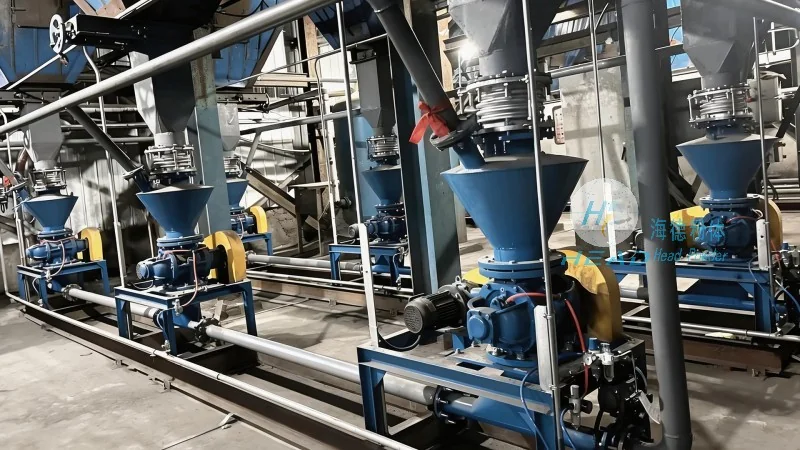
When considering the deployment of a pneumatic conveying line for sodium sulfate, several distinct characteristics and operational advantages become evident. Firstly, the enclosed system design significantly reduces dust exposure, which is crucial for maintaining a safe and healthy working environment, especially in facilities where personnel are present during material handling. Secondly, the system provides high material transfer efficiency, with minimal loss and low maintenance requirements compared to traditional methods like belt conveyors or manual handling. This efficiency is particularly important for sodium sulfate, which is often used in large quantities in industrial processes such as chemical manufacturing, food processing, and agricultural applications. Thirdly, the flexibility of pneumatic conveying allows for vertical, horizontal, or mixed (upward and downward) transport, enabling the design of systems that fit within the constraints of existing plant layouts. This adaptability is essential for integrating the conveying line into existing production lines without major structural modifications. Additionally, the system can be scaled to handle varying material volumes, from small-scale laboratory applications to large-scale industrial operations, making it a versatile solution for different production capacities. The energy consumption of pneumatic conveying systems is also optimized through efficient blower selection and pipeline design, ensuring cost-effective operation over the long term. Finally, the system's ability to handle fine or powdery sodium sulfate without clogging the pipeline is a critical advantage, as these materials can be challenging to transport using other methods. Overall, the pneumatic conveying line for sodium sulfate offers a reliable, efficient, and safe solution for material handling in various industrial settings.
About HeadPowder Engineering Co., Ltd.
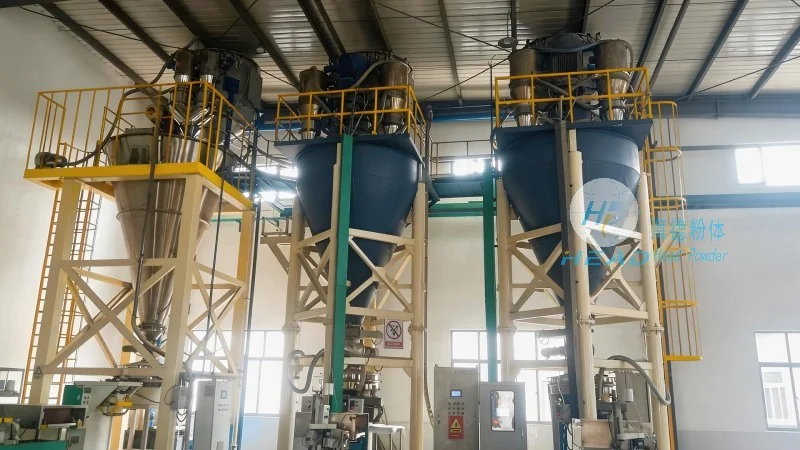
HeadPowder Engineering Co., Ltd., headquartered in Shandong, China, is a professional engineering company dedicated to providing innovative solutions for material handling and processing. With years of experience in the industry, HeadPowder specializes in the design, manufacturing, and installation of pneumatic conveying systems, including those tailored for handling sodium sulfate and other bulk materials. The company's team of experts leverages advanced engineering principles and cutting-edge technology to develop customized solutions that meet the specific needs of clients, ensuring optimal performance and operational efficiency. HeadPowder's commitment to quality and customer satisfaction has established it as a trusted partner in the chemical, food, and agricultural industries, where reliable material transport is essential for smooth production processes. By combining technical expertise with practical application knowledge, HeadPowder delivers systems that not only meet current industry standards but also adapt to future technological advancements, ensuring long-term value for its clients.




