

Principles and Application Scenarios of Purified Fly Ash Material Pneumatic Conveying Systems
HeadPowder, a leading engineering company based in Shandong, China, specializes in the design and implementation of advanced pneumatic conveying systems for handling purified fly ash. This article explores the fundamental principles behind these systems and highlights the key working scenarios where they are most effectively applied.
The Core Principles of Pneumatic Conveying for Fly Ash
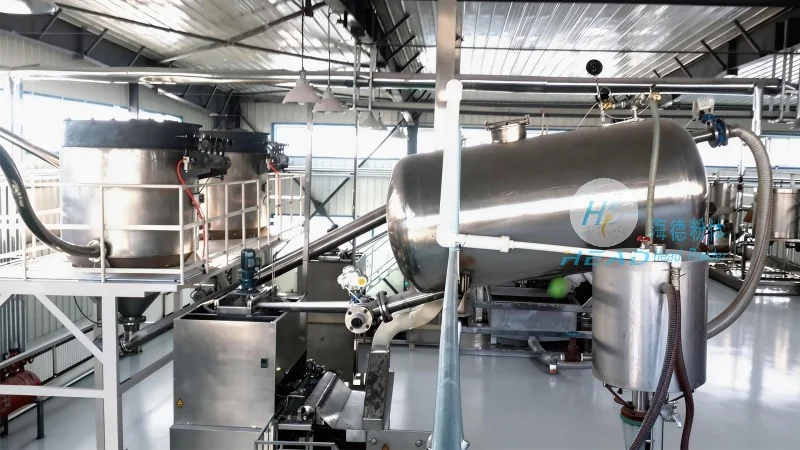
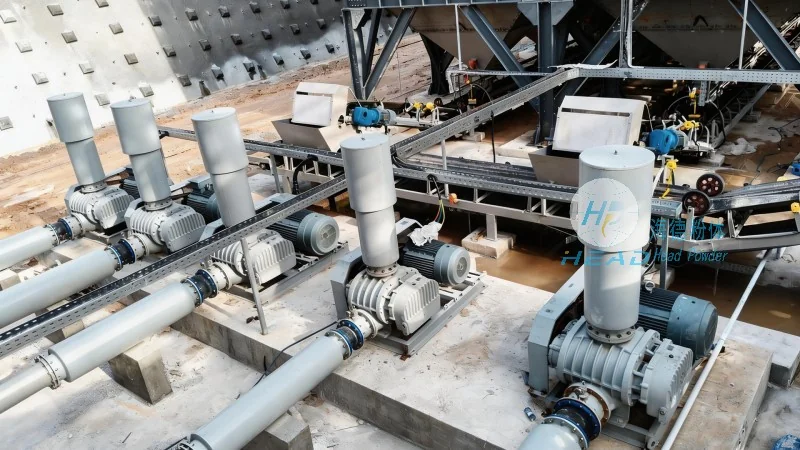
Pneumatic conveying systems utilize air or gas as the medium to transport bulk materials like fly ash from one location to another. The process typically involves a series of components including a material feed hopper, a conveying pipeline, a pressure or vacuum source, and a discharge device. In the case of purified fly ash, the system is engineered to maintain a high level of air quality and material purity, ensuring that the ash is conveyed without contamination or degradation. The key principle is the creation of a stable, low-pressure or high-pressure air flow that propels the fly ash particles through the pipeline. This is achieved through either positive pressure systems, where air is forced into the pipeline, or negative pressure systems, where air is drawn out, creating a vacuum that pulls the material along. The design of the conveying line, including the pipe diameter, length, and the type of air flow control valves, is critical to maintaining the efficiency and reliability of the system. HeadPowder's engineering expertise ensures that these components are optimized for the specific characteristics of purified fly ash, such as its density, moisture content, and particle size distribution.
Key Working Scenarios and Applications
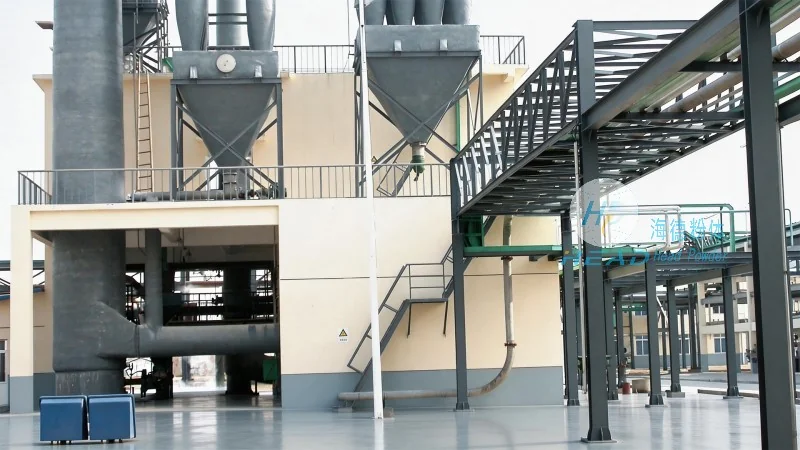
The application of purified fly ash pneumatic conveying systems varies across different industrial sectors, each with unique requirements for material handling. One primary scenario is in power plants, where fly ash is generated as a byproduct of coal combustion and needs to be transported from the boiler to storage or disposal facilities. In this context, the system must handle large volumes of ash efficiently while maintaining environmental standards. HeadPowder's systems are designed to meet the high throughput demands of power plants, with the ability to convey ash over long distances without clogging or loss of material. Another significant application is in the construction industry, where purified fly ash is used as a supplementary cementitious material in concrete production. The pneumatic conveying system facilitates the transport of ash from storage silos to mixing plants, ensuring a consistent and controlled supply of the material. Additionally, in industrial waste management facilities, these systems are used to transport fly ash for recycling or reclamation purposes, where the purity of the material is paramount. Each of these scenarios requires a tailored approach to system design, considering factors such as the distance to be covered, the required flow rate, and the need for dust control and environmental compliance.
Advantages of HeadPowder's Pneumatic Conveying Solutions
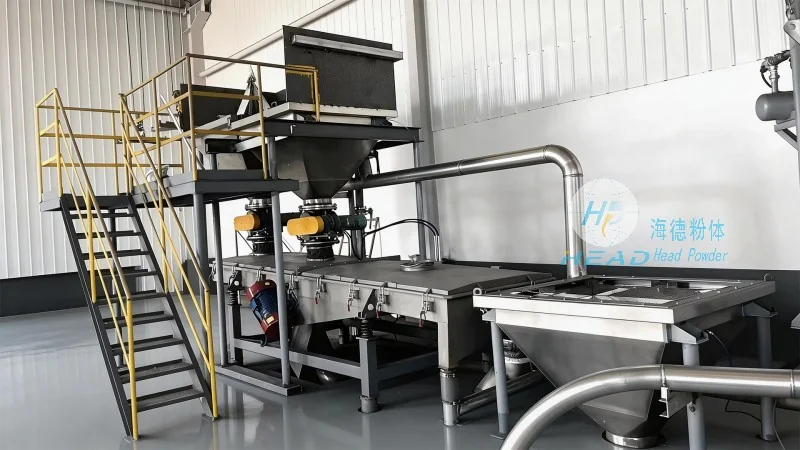
HeadPowder's pneumatic conveying systems for purified fly ash offer several advantages over traditional methods like belt conveyors or bucket elevators. One of the most significant benefits is the ability to handle materials in a completely enclosed system, which minimizes dust emissions and protects the environment. This is particularly important for fly ash, which can be a source of air pollution if not properly contained. The enclosed design also prevents material contamination, ensuring that the purified fly ash remains free from external pollutants. Another advantage is the flexibility of the system, which can be easily adjusted to accommodate changes in material flow rates or pipeline configurations. This adaptability is crucial in dynamic industrial environments where production demands may vary. Furthermore, the systems are designed for low maintenance, with components that are durable and resistant to wear from the abrasive nature of fly ash particles. HeadPowder's use of high-quality materials and advanced engineering techniques ensures that their systems have a long operational life and minimal downtime. The company's commitment to sustainability is also reflected in the energy efficiency of their pneumatic conveying solutions, which use less power compared to other material handling methods.
Conclusion
HeadPowder Engineering Co., Ltd., based in Shandong, China, provides comprehensive solutions for the pneumatic conveying of purified fly ash, leveraging advanced engineering principles and tailored system designs. The company's expertise in handling the unique characteristics of fly ash ensures that their systems are efficient, reliable, and environmentally friendly. Whether used in power plants, construction sites, or waste management facilities, HeadPowder's pneumatic conveying systems offer a superior alternative to traditional material handling methods, meeting the demands of modern industrial applications while maintaining the highest standards of material purity and environmental protection.