

Principle and Working Scene Characteristics of Magnesium Silicate Material Pneumatic Conveying Lines
HeadPowder, a leading engineering firm based in Shandong, China, specializes in the design and implementation of advanced pneumatic conveying systems tailored for handling magnesium silicate materials. These systems are engineered to efficiently transport bulk materials over varying distances with minimal operational disruptions, ensuring optimal performance in industrial settings.
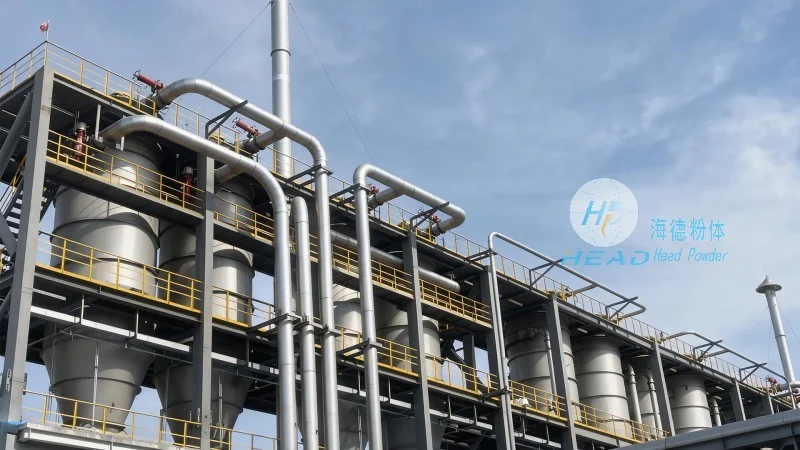
The Working Principle of Magnesium Silicate Pneumatic Conveying Lines
The core of a pneumatic conveying line involves the use of air or gas as the conveying medium to transport solid particles. In the case of magnesium silicate materials, which often exhibit fine particle sizes and specific flow characteristics, the system typically employs a positive pressure or negative pressure (or a combination of both) method. The process begins with the material being fed into a hopper or feeder, where it is then introduced into a pipeline. A fan or blower generates the necessary airflow, creating a pressure differential that propels the material through the system. Key components include the feeder, pipeline, and separation equipment, each playing a critical role in maintaining the material's flow and preventing blockages or degradation.
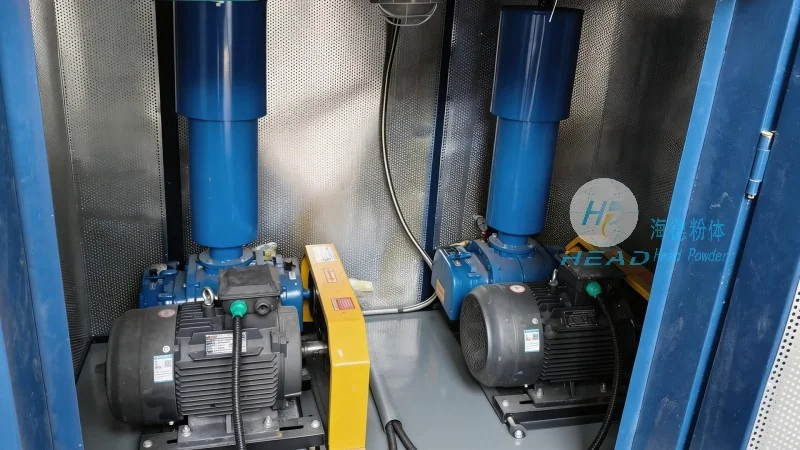
Key Characteristics and Application Scenarios
For magnesium silicate materials, the pneumatic conveying lines designed by HeadPowder exhibit several distinct advantages that make them suitable for diverse industrial applications. Firstly, the systems are highly flexible, allowing for changes in material flow rates and distances without significant modifications. This adaptability is crucial in environments where production demands fluctuate. Secondly, the enclosed system minimizes dust emissions and environmental contamination, aligning with modern industrial safety and regulatory standards. Additionally, the technology reduces material handling costs by eliminating the need for manual or mechanical conveyors, which can be labor-intensive and prone to breakdowns. The systems are particularly effective in processing plants where magnesium silicate is used in manufacturing, such as in the production of refractory materials, insulation products, or chemical intermediates.
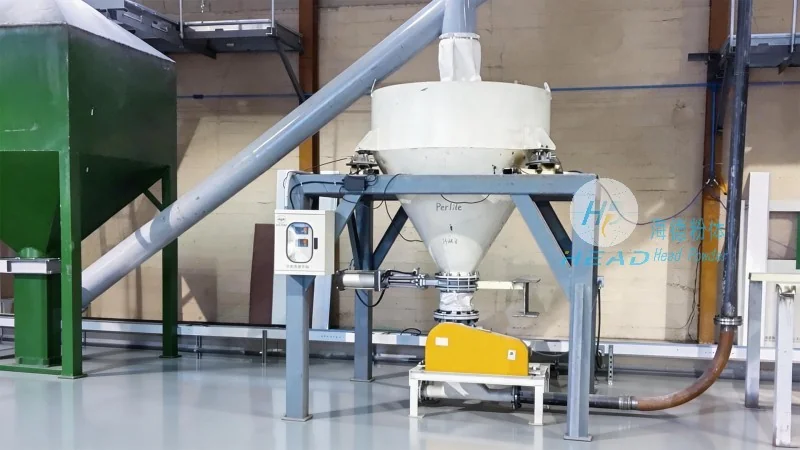
Efficiency and Maintenance Considerations
Efficiency is a primary concern when operating pneumatic conveying lines for magnesium silicate materials. The design of the system, including the size of the pipeline, the speed of the airflow, and the type of feeder, directly impacts the overall throughput and energy consumption. HeadPowder’s engineers optimize these parameters to ensure that the system operates at peak efficiency, minimizing energy waste and maximizing material transport capacity. Regular maintenance is also essential to maintain the system's performance. This includes cleaning the pipeline to prevent buildup of fine particles, inspecting the fan and blower for wear, and checking the feeder mechanism for proper operation. By adhering to a regular maintenance schedule, the system's lifespan is extended, and operational costs are reduced over time.
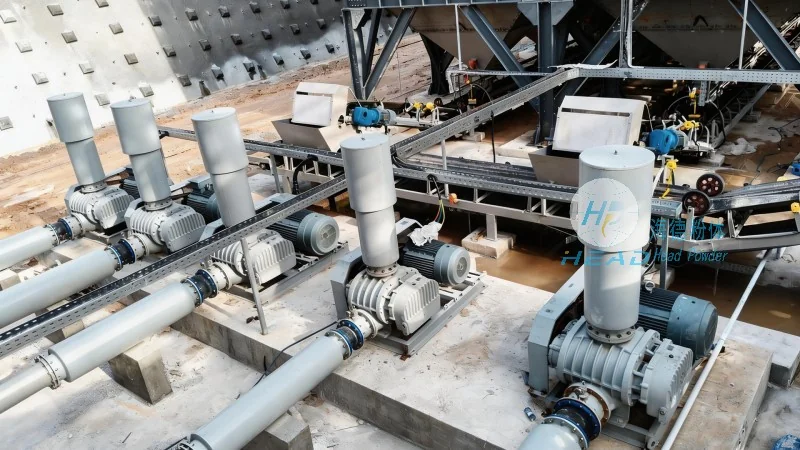
Conclusion
HeadPowder’s pneumatic conveying lines for magnesium silicate materials represent a reliable and efficient solution for industrial material handling. By leveraging advanced engineering principles and tailored system designs, these lines address the unique challenges associated with handling fine, abrasive materials while ensuring compliance with industry standards. The company's commitment to quality and customer satisfaction, combined with its location in Shandong, China, positions it as a trusted partner for businesses seeking to enhance their material transport processes. Whether for short or long-distance transport, the systems provide a robust and adaptable solution that meets the demands of modern manufacturing.