Vanadium oxide is a critical material in various industrial applications, and the efficient handling of this material is essential for maintaining production efficiency. Pneumatic conveying systems offer a reliable solution for transporting vanadium oxide, especially when traditional methods like belt conveyors or bucket elevators are not suitable due to the material's properties. This article explores the principle of pneumatic conveying equipment for vanadium oxide and highlights the key characteristics of its working scenes.
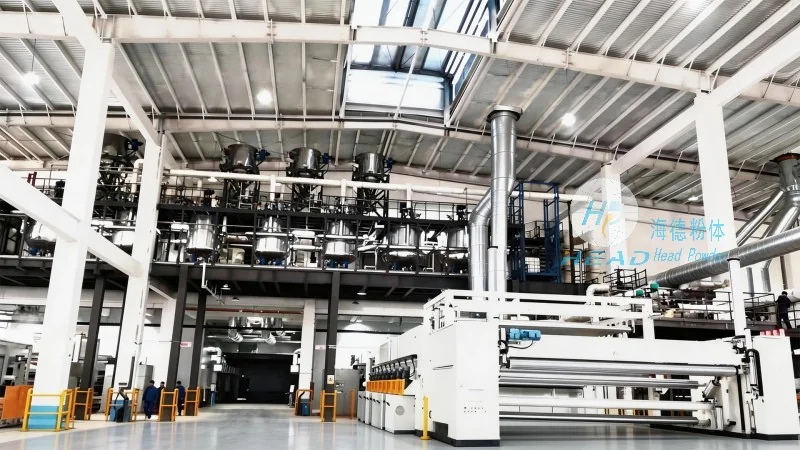
About Shandong HeadPowder Engineering Co., Ltd.
Shandong HeadPowder Engineering Co., Ltd., commonly known as headpowder, is a professional manufacturer and supplier of pneumatic conveying equipment. Based in Shandong, China, the company specializes in designing and producing customized solutions for material handling, with a focus on handling challenging materials like vanadium oxide. The company's expertise lies in understanding the unique properties of different materials and developing efficient conveying systems that meet the specific needs of industrial clients.
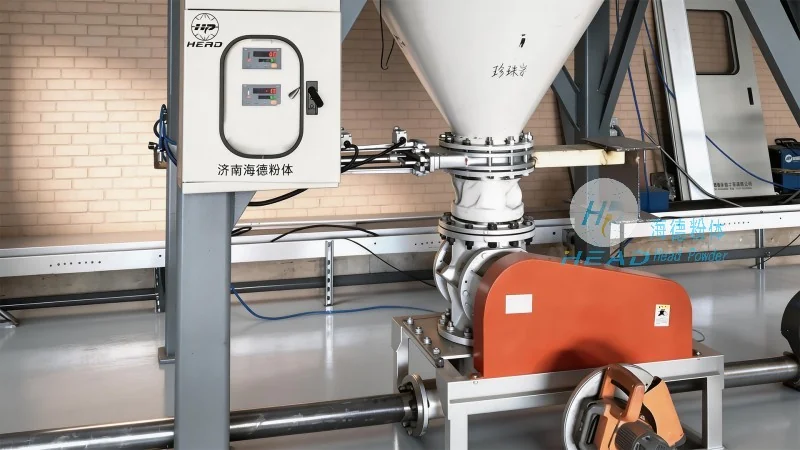
Principle of Pneumatic Conveying for Vanadium Oxide
The core principle of pneumatic conveying equipment involves using air or gas to transport solid materials through a pipeline. For vanadium oxide, which typically exists as fine powders or granules, the system operates by creating a flow of air that lifts and moves the material from the source to the destination. The equipment consists of several key components, including a feeding device, a conveying pipeline, a control system, and a discharge unit. The feeding device ensures a consistent flow of vanadium oxide into the pipeline, while the conveying pipeline transports the material using the air flow. The control system regulates the air pressure and flow rate to maintain optimal conveying conditions. The discharge unit collects the material at the end of the pipeline, ensuring a smooth and controlled release.
Working Scene Characteristics of Vanadium Oxide Pneumatic Conveying Equipment
The working scene characteristics of vanadium oxide pneumatic conveying equipment vary based on the specific industrial application. In chemical and metallurgical industries, the equipment is often used in processes such as material mixing, blending, and transfer between different production stages. The equipment's ability to handle fine powders without segregation or agglomeration is crucial in these applications. In power plants, vanadium oxide is used as a catalyst or additive in fuel systems, and the conveying equipment must ensure that the material is delivered to the reactor or storage tank without contamination or loss. The working scene also includes considerations such as the material's moisture content, which can affect the conveying efficiency, and the need for dust control measures to comply with environmental regulations. Additionally, the equipment must be designed to handle the material's density and flow characteristics, which can vary depending on the production process and the specific vanadium oxide grade being used.
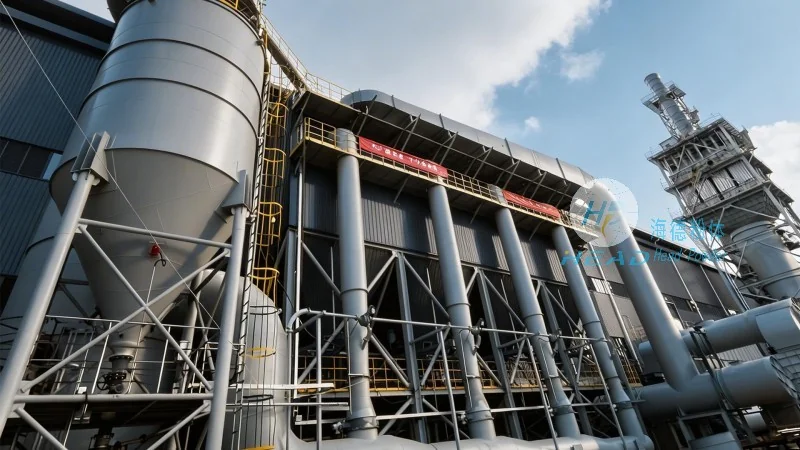
Key Features and Advantages
Vanadium oxide pneumatic conveying equipment from headpowder offers several advantages that make it an ideal choice for industrial applications. One of the key features is its ability to handle fine powders and granules without causing material degradation or segregation. The equipment uses a positive or negative pressure system, depending on the application, to ensure a consistent and controlled flow of material. The positive pressure system is commonly used for long-distance conveying, as it can maintain the air pressure throughout the pipeline, while the negative pressure system is suitable for short-distance conveying and dust collection. Another advantage is the equipment's compact design, which allows for easy installation in existing production facilities without requiring extensive modifications. The system also reduces the need for manual handling, improving safety and reducing labor costs. Furthermore, the equipment is designed to be durable and low-maintenance, with components that can withstand the corrosive nature of vanadium oxide and other industrial materials.




