

Principle and Working Scene Characteristics of Gray Bin Material Pneumatic Conveying Lines
Gray bin material pneumatic conveying lines are advanced systems designed to transport bulk materials efficiently from storage bins to processing or packaging areas. These systems are integral to industries that handle dry, free-flowing powders and granules, offering a clean, low-maintenance, and flexible solution for material handling. The core of such a system lies in its ability to use air pressure to move materials through a network of pipes, making it an ideal choice for applications where traditional mechanical conveyors may be impractical or less effective.
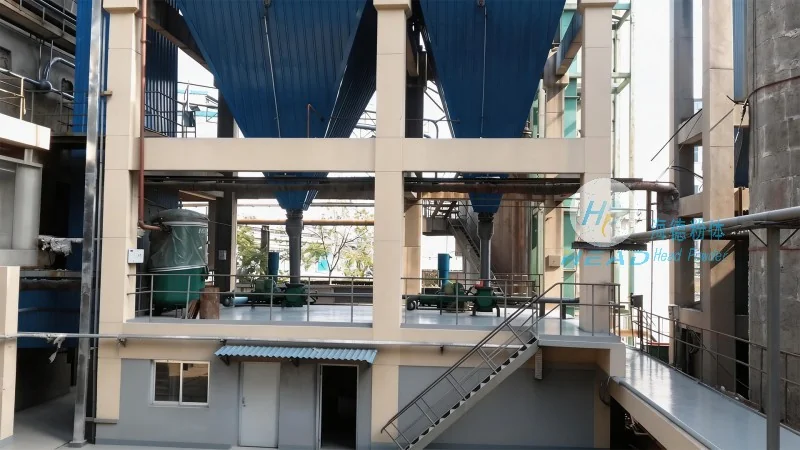
Core Principle of Pneumatic Conveying in Gray Bins
The fundamental principle behind gray bin material pneumatic conveying lines is the use of compressed air to create a flow of material through a pipeline. In a typical setup, the material is first fed from the gray storage bin into a hopper or feeder. The feeder then meters the material into the conveying line, where it is mixed with high-velocity air. This air-material mixture travels through the pipeline under pressure, propelled by the force of the air. The system can operate in either positive pressure (where air is blown into the line) or negative pressure (where air is drawn out), depending on the specific requirements of the application. The choice of pressure type influences the system's design, including the size of the pipes, the number of bends, and the overall efficiency of material transport.
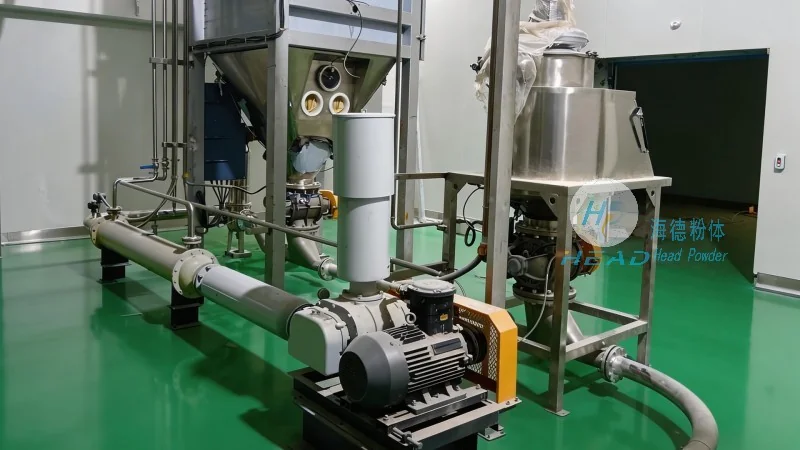
Key Components and Their Functions
A gray bin material pneumatic conveying line consists of several critical components that work in tandem to ensure smooth operation. The primary components include the gray storage bin (or hopper), a feeder (such as a rotary valve or screw feeder), a conveying line (made of metal or plastic pipes), a filter or separator to remove air from the material stream, and a receiver or discharge hopper at the end of the line. Each component plays a vital role in the overall system. The gray bin serves as the primary storage vessel, providing a large capacity for bulk materials. The feeder controls the flow rate of material into the conveying line, preventing overloading and ensuring consistent transport. The conveying line is the main pathway for the material-air mixture, with its design (e.g., pipe diameter, bends, and length) directly impacting the system's performance. The filter or separator is crucial for maintaining air quality and preventing material from entering the air system, which could lead to clogging or contamination. Finally, the receiver collects the material at the end of the line, ready for further processing or packaging.
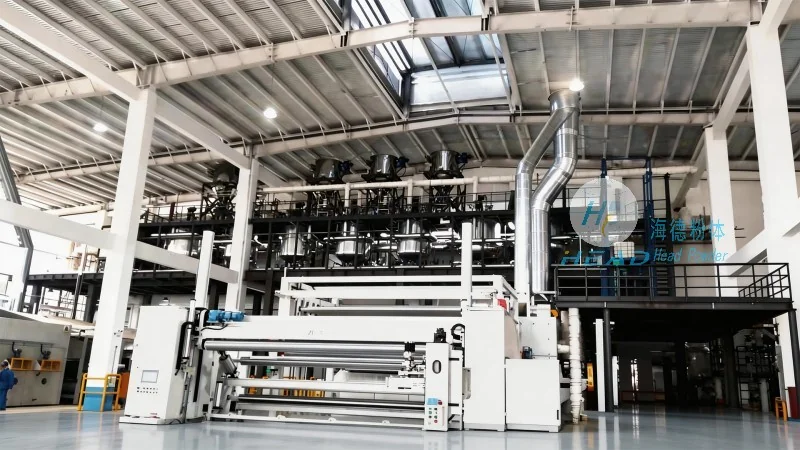
Working Scene Characteristics and Applications
Gray bin material pneumatic conveying lines are widely used in various industrial settings due to their adaptability and efficiency. These systems are particularly suited for applications where materials need to be transported over long distances or through complex layouts, such as in pharmaceutical, food processing, chemical, and cement industries. The working scene characteristics of these systems include their ability to handle a wide range of materials, from fine powders to coarse granules, without causing degradation or contamination. They also offer a hygienic and clean environment, which is essential in industries like food and pharmaceuticals, where product purity is paramount. Additionally, the systems are relatively low in maintenance compared to traditional mechanical conveyors, as they have fewer moving parts and are less prone to wear and tear. This makes them a cost-effective solution for long-term material handling needs.
Advantages and Considerations for Implementation
Implementing a gray bin material pneumatic conveying line offers several advantages, making it a preferred choice for many industries. One of the key benefits is the flexibility in system design, allowing for customization based on the specific requirements of the application. This includes the ability to adjust the conveying distance, material flow rate, and system pressure to meet the needs of the process. Another advantage is the reduced risk of material contamination, as the system operates in a closed environment, minimizing exposure to external factors. Furthermore, the systems are energy-efficient, as they can use less power compared to mechanical conveyors, especially for short to medium distances. However, there are also considerations to keep in mind when implementing such a system. For instance, the initial investment cost can be higher than traditional conveyors, and the system requires proper maintenance to ensure optimal performance. Additionally, the choice of material for the conveying line (e.g., stainless steel for food applications) and the design of the filter system are critical factors that can impact the system's longevity and efficiency.
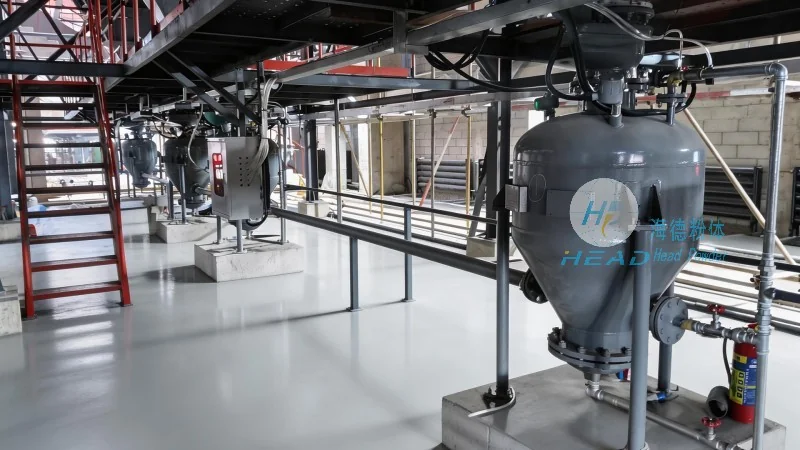
Conclusion
In conclusion, gray bin material pneumatic conveying lines are sophisticated systems that leverage the principles of air pressure to efficiently transport bulk materials. Their design and components are tailored to meet the specific needs of various industrial applications, offering a flexible, hygienic, and low-maintenance solution for material handling. By understanding the core principles and working scene characteristics of these systems, industries can make informed decisions about their material transport needs, ensuring optimal performance and cost-effectiveness. As a leading provider in this field, Shandong HeadPowder Engineering Co., Ltd. specializes in designing and manufacturing such systems, leveraging years of experience to deliver high-quality solutions that meet the demands of modern industrial processes.