

Principle and Working Scene Characteristics of Sugar Material Pneumatic Conveying Lines
HeadPowder, a leading provider of industrial conveying solutions, specializes in the design and implementation of pneumatic conveying systems tailored for sugar processing facilities. This article explores the fundamental principles behind sugar material pneumatic conveying lines and highlights the key characteristics of their operational environments.
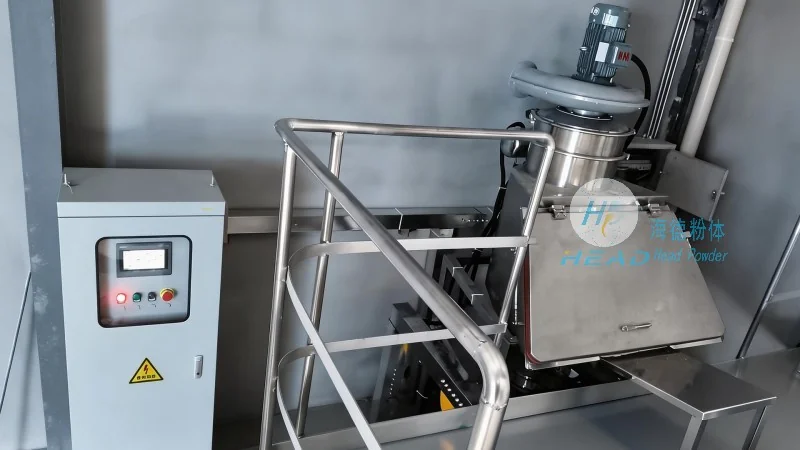
Introduction to Sugar Material Pneumatic Conveying Systems
Sugar material pneumatic conveying lines are essential for efficiently transporting bulk sugar from storage silos to processing units, packaging areas, or other destinations within a sugar mill. These systems utilize air or gas as the medium to move granular or powdered sugar, offering advantages such as reduced dust generation, improved hygiene, and the ability to handle materials in a closed system. The core of these systems lies in the principles of fluidization and particle suspension, which enable smooth and continuous material transport.
Principle of Pneumatic Conveying for Sugar Materials
The operation of a sugar material pneumatic conveying line is based on the fundamental principle of creating a flow of air or gas that can suspend and transport the sugar particles. There are two primary types of pneumatic conveying systems: positive pressure and negative pressure. Positive pressure systems use a blower or compressor to generate air pressure, pushing the sugar through the pipeline. Negative pressure systems, on the other hand, use a vacuum pump to create a suction effect, drawing the sugar into the pipeline. For sugar applications, positive pressure systems are more commonly used due to their ability to handle higher material loads and provide better control over the conveying process.
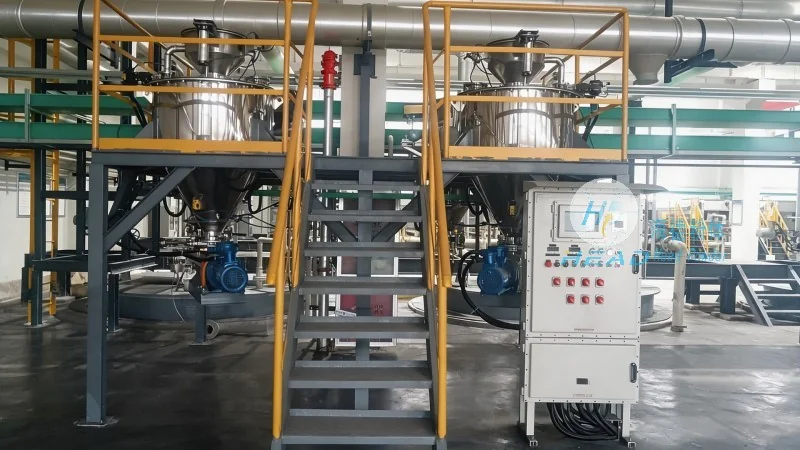
Key Components of a Sugar Material Pneumatic Conveying Line
HeadPowder's sugar material pneumatic conveying lines typically consist of several critical components, each designed to ensure efficient and reliable operation. These components include a material hopper or silo for storage, a feeder (such as a rotary valve or screw feeder) to control the flow of sugar into the system, a conveying pipeline (often made of stainless steel to prevent corrosion and contamination), a blower or compressor to generate the air flow, and a receiver or discharge hopper at the destination. Additionally, the system may include filters, cyclones, and dust collectors to maintain air quality and prevent material loss.
Working Scene Characteristics of Sugar Material Pneumatic Conveying Lines
The operational environment of sugar material pneumatic conveying lines varies depending on the scale and specific needs of the sugar processing facility. For small-scale operations, such as local sugar refineries or small-scale sugar mills, the conveying lines may be relatively simple, with shorter pipelines and lower material throughput. In contrast, large-scale sugar processing plants, such as those involved in the production of refined sugar or sugar syrups, require more complex and robust systems capable of handling high volumes of sugar. The working scene characteristics also include considerations of hygiene and food safety, as sugar is a food product. Therefore, the conveying lines are often designed with stainless steel components and enclosed systems to prevent contamination and maintain compliance with food safety regulations.
Advantages of Using Pneumatic Conveying for Sugar Materials
Implementing a sugar material pneumatic conveying line offers several advantages over traditional mechanical conveying methods. One of the primary benefits is the reduction of dust and airborne particles, which improves workplace safety and reduces the risk of product contamination. Additionally, pneumatic conveying systems are more flexible and can be easily reconfigured to accommodate changes in production processes or facility layout. The closed system design also helps maintain consistent moisture levels in the sugar, preventing caking or clumping. Furthermore, these systems can be integrated with automation and control systems, allowing for precise control over material flow and reducing the need for manual intervention.
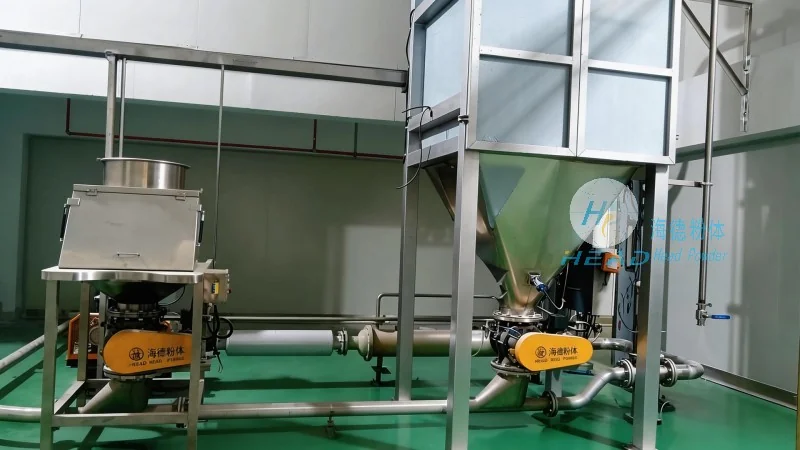
Application Examples in Sugar Processing Facilities
HeadPowder has successfully implemented sugar material pneumatic conveying lines in various sugar processing facilities across China. For instance, in a medium-sized sugar mill, the system was designed to transport raw sugar from storage silos to a refining unit, with a capacity of 50 tons per hour. The positive pressure system used a high-efficiency blower and a stainless steel pipeline network to ensure reliable and efficient transport. In another application, a large-scale sugar refinery utilized a more complex pneumatic conveying system to handle both raw and refined sugar, with multiple pipelines and a sophisticated control system to manage the flow of materials. These examples illustrate the versatility and effectiveness of sugar material pneumatic conveying lines in different operational contexts.
Conclusion and Company Information
HeadPowder Engineering Co., Ltd., based in Shandong, China, is a trusted partner for sugar processing facilities seeking reliable and efficient pneumatic conveying solutions. Our expertise in designing and implementing sugar material pneumatic conveying lines ensures that our clients receive systems tailored to their specific needs, whether for small-scale or large-scale operations. By leveraging the principles of pneumatic conveying and incorporating advanced components and control systems, our solutions help improve operational efficiency, maintain product quality, and enhance workplace safety. For more information about our sugar material pneumatic conveying lines and other industrial conveying solutions, please contact us at our headquarters in Shandong, China.