

Principle and Working Scene Characteristics of Paddy Material Pneumatic Conveying Lines
For agricultural operations dealing with paddy material, efficient and reliable material handling is crucial. Pneumatic conveying systems have emerged as a sophisticated solution, offering a clean, low-maintenance method to transport paddy from one location to another. This article explores the fundamental principles behind paddy material pneumatic conveying lines and highlights the key characteristics of their working scenes, providing insights into how these systems enhance operational efficiency in rice processing and storage facilities.
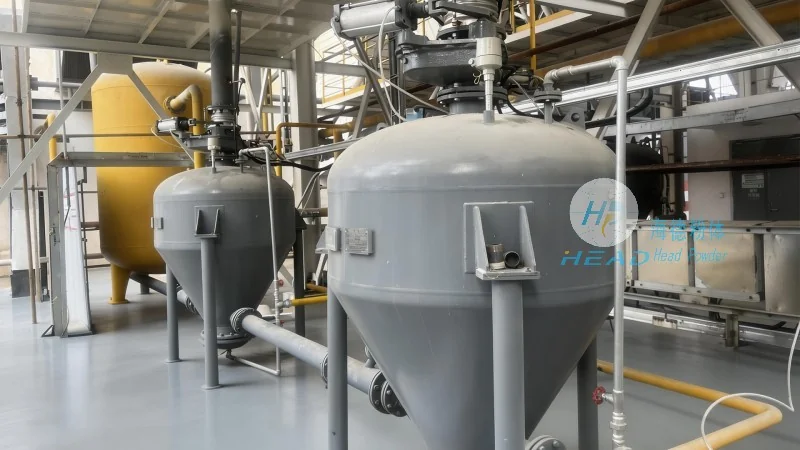
Introduction to Paddy Material Pneumatic Conveying Systems
Paddy material pneumatic conveying lines are specialized equipment designed to transport rice grains and other paddy-related materials using air pressure or vacuum. Unlike traditional mechanical conveyors, which rely on belts or chains, pneumatic systems utilize the force of air to move materials through a network of pipes. This method is particularly advantageous in environments where hygiene, dust control, and minimal product damage are priorities. The technology has become integral to modern rice processing plants, enabling seamless transfer of paddy from fields to processing units, and from storage silos to milling operations.
Principle of Paddy Material Pneumatic Conveying
The core principle of paddy material pneumatic conveying involves creating a flow of air within a closed pipe system. The system typically operates under either positive pressure (air is forced through the pipe) or negative pressure (air is drawn out, creating a vacuum). In the case of paddy material, positive pressure is more commonly used, as it ensures consistent and forceful movement of the grains. The process begins with the paddy being fed into a hopper or feeder, where it is then introduced into the conveying line. Air is then supplied to the line, creating a high-velocity airflow that lifts and propels the paddy particles through the pipe network. The velocity of the air is carefully controlled to ensure that the paddy grains are transported without excessive breakage or damage. The system may include components such as rotary valves, airlocks, and cyclone separators to regulate the flow and separate the air from the material at the discharge point.
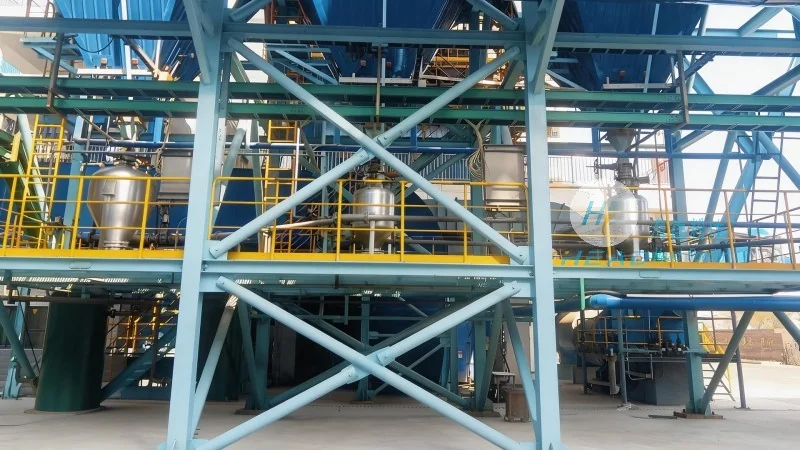
Working Scene Characteristics of Paddy Material Pneumatic Conveying Lines
The working scene characteristics of paddy material pneumatic conveying lines are tailored to the specific demands of rice processing environments. These systems are designed to handle the unique properties of paddy, including its size, density, and moisture content. Key characteristics include:
1. Hygienic and Clean Operation: Pneumatic conveying minimizes direct contact between the paddy and mechanical parts, reducing the risk of contamination and ensuring compliance with food safety standards. The enclosed pipe system also helps control dust and prevent the spread of allergens or pathogens.
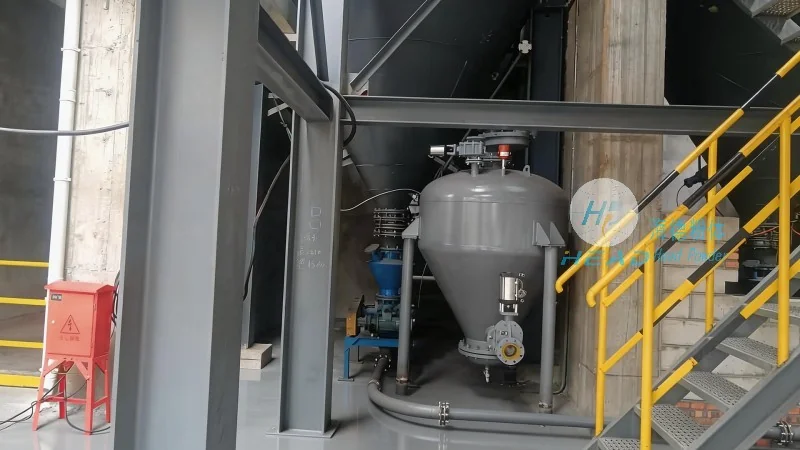
2. Space Efficiency: Unlike traditional conveyors that require extensive floor space, pneumatic systems can be installed vertically or horizontally, making them suitable for facilities with limited space. This flexibility allows for integration into existing processing layouts without major structural modifications.
3. Low Maintenance and Longevity: The absence of moving parts in the conveying line itself reduces wear and tear, leading to lower maintenance costs and longer operational life. However, the system may require regular checks of air filters and pressure components to ensure optimal performance.
4. Energy Efficiency: Modern pneumatic conveying systems are engineered to optimize energy usage. By controlling the air velocity and pressure precisely, operators can minimize energy consumption while maintaining efficient material transport. This is particularly important in large-scale rice processing plants where operational costs are a significant factor.
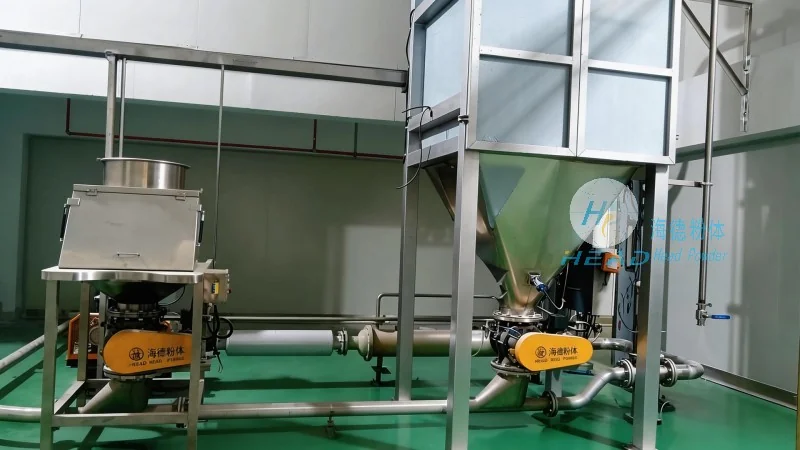
5. Scalability and Customization: Paddy material pneumatic conveying lines can be customized to suit various production capacities, from small-scale farms to large industrial processing facilities. The modular design allows for easy expansion or reconfiguration as production needs change.
About Shandong HeadPowder Engineering Co., Ltd.
Shandong HeadPowder Engineering Co., Ltd., commonly known as HeadPowder, is a leading manufacturer specializing in the design and production of pneumatic conveying systems for agricultural and industrial applications. With a strong focus on innovation and quality, HeadPowder has established itself as a trusted partner in the rice processing industry. The company’s headquarters is located in Shandong, China, where it leverages advanced engineering capabilities and local expertise to develop cutting-edge solutions tailored to the needs of modern agricultural operations. HeadPowder’s commitment to customer satisfaction and product reliability has made it a preferred choice for businesses seeking efficient and durable material handling solutions.